
Scrap Versus Resale: What Is Your Jewellery Worth?

A broken gold chain may still have clear value, but an old signet ring, diamond brooch or luxury watch can be worth considerably more than the metal it contains. That is the central question in scrap versus resale: is an item best valued for its material, or for what it is as a complete piece? The answer is rarely found by looking at it for a moment across a counter.
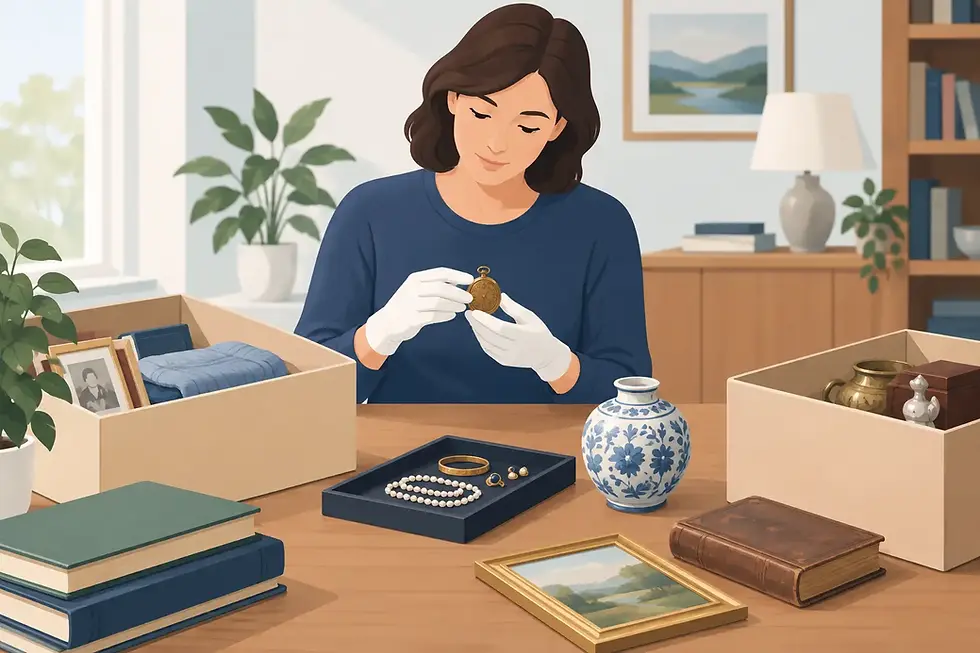
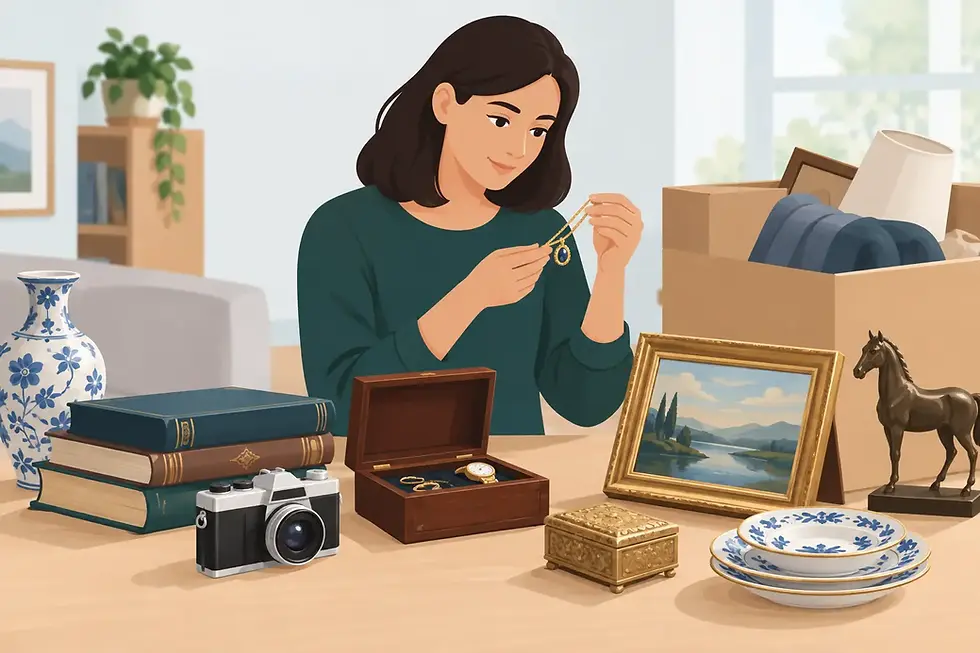
For many people, this question arises while clearing a family home, sorting a jewellery box before a move, or deciding what to do with pieces that have not been worn for years. There is no need to know the answer before seeking an assessment. A careful valuation should explain it in plain language, leaving you in control of whether and when to sell.
Scrap versus resale: the essential difference
A scrap valuation is based principally on the recoverable precious metal in an item. With gold jewellery, that means establishing the purity of the gold, confirming the weight and applying a price that reflects the current gold market. The same principle applies to silver and platinum. A damaged bracelet, a single unwanted earring or a dented ring can still carry worthwhile scrap value because the metal itself remains valuable.
A resale valuation considers the item as a whole. It takes account of design, maker, age, condition, gemstones, provenance and current demand from collectors or buyers. A piece may be made of relatively modest gold but command a stronger resale price because it is a sought-after antique, a recognisable designer piece or part of a desirable matching set.
Neither route is automatically better. Scrap can be the sensible basis for everyday, badly damaged or heavily altered jewellery with no wider market appeal. Resale can be more appropriate where the item has craftsmanship, rarity, a respected name or a strong secondary market. The important thing is that the basis of an offer is explained rather than assumed.
When jewellery is likely to be valued as scrap
Not every item needs to be perfect to be saleable, but some items are more naturally assessed for their metal content. Tangled chains, broken clasps, bent bangles, worn wedding bands and single earrings often fall into this category. Their condition may make resale impractical, while their gold, platinum or silver retains an underlying value.
Purity matters. UK jewellery is commonly marked with hallmarks such as 9ct, 14ct, 18ct or 22ct, although older and imported pieces may use different marks or need testing. An 18ct ring contains a higher proportion of gold than a 9ct ring of the same weight, so the two should not receive the same metal valuation.
Weight also matters, but it is not the whole story. Stones, non-precious fittings and other components may affect the recoverable metal weight. A professional buyer should inspect and test where appropriate, rather than relying only on a hallmark or a rough estimate. This is particularly relevant for older jewellery, which may have been repaired, resized or altered over time.
Current market prices matter too. Precious-metal prices move, sometimes noticeably, so a fair offer should be connected to the market at the time of assessment. It is reasonable to ask how the metal content was established and what has been included in the calculation.
When resale value may be higher
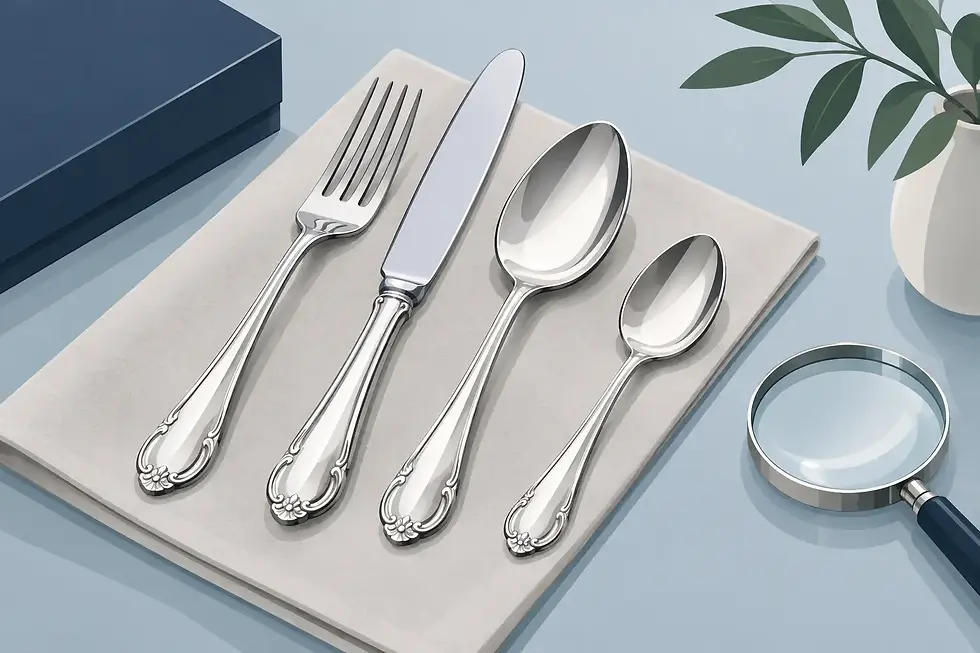
An item should not be dismissed as scrap simply because it is unworn or inherited. A Victorian brooch, an Art Deco ring, a signed bracelet, an unusual coin or a complete set of silverware may have value beyond its basic materials. The details that seem small at first can make a meaningful difference.
Maker and brand are obvious examples. Jewellery from recognised houses, established watchmakers and notable silversmiths may attract specialist demand. Original boxes, papers, service records and receipts can support a watch or branded item’s resale value, although their absence does not always prevent a sale.
Condition remains significant. A watch with its original dial and well-kept case may be more appealing than one with replacement parts or extensive polishing. With antique jewellery, sympathetic age-related wear can be expected, whereas major damage, missing stones or later alterations may reduce interest. That does not mean a damaged piece has no value. It simply means the assessment needs to distinguish carefully between collectible value and scrap value.
Gemstones deserve the same attention. Diamonds, sapphires, rubies and other stones are not valued merely because they are present. Their size, quality, setting, condition and demand all influence whether they add resale value. Small stones in mass-produced jewellery may contribute little, while a well-made diamond ring or an exceptional coloured stone can change the entire assessment.
Why retail price is not the right comparison
One of the most common sources of disappointment is comparing a buying offer with the original shop price or the replacement price shown by an insurer. These figures answer different questions.
A retail price includes design, manufacturing, shop overheads, marketing, VAT and the margin required to sell an item new. An insurance replacement valuation is intended to cover the cost of replacing an item, often through a retail jeweller, after loss or damage. Neither is the same as the amount a buyer can offer for a pre-owned item today.
A resale offer reflects what the piece can reasonably achieve in the current second-hand market, less the expertise, handling, restoration, authentication and selling costs involved. A scrap offer reflects recoverable material value and the costs of refining. This is why a transparent explanation is more useful than a headline figure alone.
If a piece is sentimental, it can help to separate its financial value from its personal significance. There is no pressure to sell an item because it has been assessed. Some families choose to keep one meaningful piece and sell others; some decide to have items valued first and discuss the decision together. Both approaches are entirely reasonable.
What a proper assessment should look at
A reliable inspection is more than placing jewellery on a scale. It should consider hallmarks and metal tests, weight, workmanship, condition, stones, signatures, serial numbers and any supporting documents. For watches, the movement, case, dial, bracelet and authenticity all require attention. For silverware and coins, maker’s marks, dates, patterns and completeness can be as relevant as weight.
Photographs can be helpful when arranging an appointment, but they cannot always show repairs, hallmarks, stone quality or fine details. An in-person assessment gives the buyer the opportunity to examine the item properly and gives you the opportunity to ask questions without feeling rushed.
A clear offer should tell you whether the value is based on scrap, resale potential or a combination of both. For example, a gold ring may have a metal value, while its diamond and period design add further resale interest. Equally, an old silver item may look impressive but be valued chiefly for its silver content if it has limited collector demand.
Preparing items without affecting their value
There is usually no need to polish, repair or alter valuables before an assessment. In fact, unnecessary cleaning can damage delicate finishes, remove desirable patina from antiques or make it harder to judge an item accurately. Keep jewellery, watches and small collectibles together with any boxes, certificates, receipts, spare links or paperwork you can find.
Try not to split matching items. A pair of candlesticks, a complete tea set, matching earrings or a watch with its original bracelet can be more appealing as a group than as separate pieces. If you are sorting an estate, set aside anything hallmarked, signed, unusually made or kept in an original presentation case, even if it appears tarnished or damaged.
Above all, do not feel obliged to decide on the spot. A no-obligation valuation should give you information, not create pressure. Take time to consider the offer, particularly where family heirlooms or higher-value watches are involved.
Selling privately, safely and with clarity
Transporting valuables around London or posting them to an unknown buyer can feel uncomfortable, especially if you are dealing with a house clearance or several items at once. A private appointment at home or at your office allows items to be assessed discreetly in a setting you choose. It also makes it easier to review a collection of jewellery, silverware, coins and watches together, rather than overlooking something in a drawer.
At We Pay Best, assessments are designed to be straightforward: items are inspected carefully, the reasons behind an offer are explained, and any purchase is supported by documented payment. Whether an item is best treated as precious-metal scrap or has a stronger resale market is part of that professional judgement, not a decision you should be expected to make alone.
Before agreeing to sell, make sure you understand exactly what is being bought, the value offered and how payment will be made. Keep the written record for your own files. A calm, properly explained assessment gives you the space to make a decision in your own time - and that is often the most valuable part of the process.
Comments