
How to Sell Broken Gold Jewellery for Fair Value

A snapped chain, single earring or ring with a missing stone can sit unnoticed in a drawer for years. Yet if it is genuine gold, its value does not disappear simply because it can no longer be worn. When you sell broken gold jewellery, you are usually selling the precious metal it contains, not its condition as a finished piece.
That can make selling feel far more straightforward than many people expect. You do not need to repair every clasp, straighten every bangle or find the matching earring before asking for an assessment. What matters is knowing what you have, how its value is calculated and how to choose a buyer who explains the offer clearly.
Why broken gold can still be valuable
Gold is valued primarily by its purity and weight. A broken 18ct bracelet may have little resale value as jewellery if it is damaged beyond economical repair, but the gold itself still has an intrinsic value. The same applies to tangled chains, dented rings, worn wedding bands, odd earrings and jewellery with broken catches.
The condition does affect the route a buyer may take. A particularly well-made antique piece, a signed item or jewellery with valuable stones may be worth more as an individual item than for its gold content alone. In that case, melting it down would not necessarily be the best outcome. A careful buyer should inspect the whole piece before making an offer and explain whether its value lies in the metal, the gemstones, the design or a combination of all three.
This distinction matters especially with inherited jewellery. A damaged brooch or old ring may carry family history, but it may also have a maker's mark, an unusual setting or diamonds that deserve separate consideration. There is no need to decide what to keep or sell in a hurry. A no-pressure assessment gives you information first, leaving the choice with you.
How the value of broken gold jewellery is worked out
A fair valuation should be understandable in plain language. Although gold prices move daily, the underlying calculation follows a clear process.
First, the jewellery is inspected for hallmarks. In the UK, common marks include 9ct, 14ct, 18ct and 22ct. Carat indicates purity: 24ct is close to pure gold, while lower carats contain a greater proportion of other metals for strength and colour. An item marked 375 is usually 9ct gold, 585 generally indicates 14ct, 750 indicates 18ct, and 916 is commonly 22ct.
The buyer then weighs the gold and considers the current market price for the relevant purity. Any non-gold parts need to be accounted for. A watch strap may have steel fittings, a necklace may contain a base-metal clasp, and a gemstone ring has a setting that cannot simply be treated as solid gold by weight. Proper testing and meticulous inspection help establish what is genuinely gold and what is not.
Stones should be assessed separately where appropriate. Small stones are not always commercially valuable, particularly if they are chipped or loose, but diamonds, larger gemstones and recognisable jewellery designs can change the offer considerably. If a piece has value beyond scrap, that should be made clear rather than lost within a single unexplained figure.
A professional buyer will also consider whether a damaged piece can be repaired and resold. This is more likely with quality jewellery, sought-after antique pieces or items from established makers. The key is transparency: you should understand why an offer has been made and which features have influenced it.
Do you need to repair jewellery before selling it?
Usually, no. Repairing broken gold purely to sell it is often unnecessary and can cost more than it adds in value. A jeweller's repair charge reflects skilled labour as well as materials, while a buyer assessing the item for its gold content is focused on purity, weight and the market rate.
There are exceptions. If you know a piece is a desirable branded item, an antique with an original component or a ring with a valuable stone that has become loose, do not attempt a home repair. Keep all loose parts together and mention them during the assessment. A specialist can determine whether restoration, resale or a metal-based offer makes the most sense.
Avoid cleaning aggressively before an appointment. Harsh chemicals can damage stones, weaken settings or remove a patina that helps identify an older piece. A gentle wipe with a soft cloth is enough. The aim is not to make jewellery look new, but to present every part of it for accurate inspection.
Preparing to sell broken gold jewellery
You do not need expert knowledge to arrange a valuation, but a little preparation can make the appointment calmer and more productive. Gather matching pieces where possible, including a detached pendant, an extra chain link or a missing earring. Even when a piece is broken, keeping its components together can help establish its total gold weight.
If you have old boxes, receipts, valuation papers or certificates for diamonds, bring them out. They are useful context, particularly for higher-value jewellery, although their absence does not prevent an assessment. Hallmarks can be tiny and worn, so do not worry if you cannot read them yourself.
It is also sensible to separate jewellery you are considering selling from items you definitely wish to keep. During an appointment, you remain in control. You can ask for an assessment of one item, a small collection or everything found during a house clearance. An offer does not oblige you to sell.
What a private valuation appointment should feel like
Selling valuables should not mean carrying them around town, posting them to an unfamiliar address or accepting a figure without seeing how it was reached. For many people, a private home or office appointment is a simpler, safer way to handle broken jewellery and other unwanted valuables.
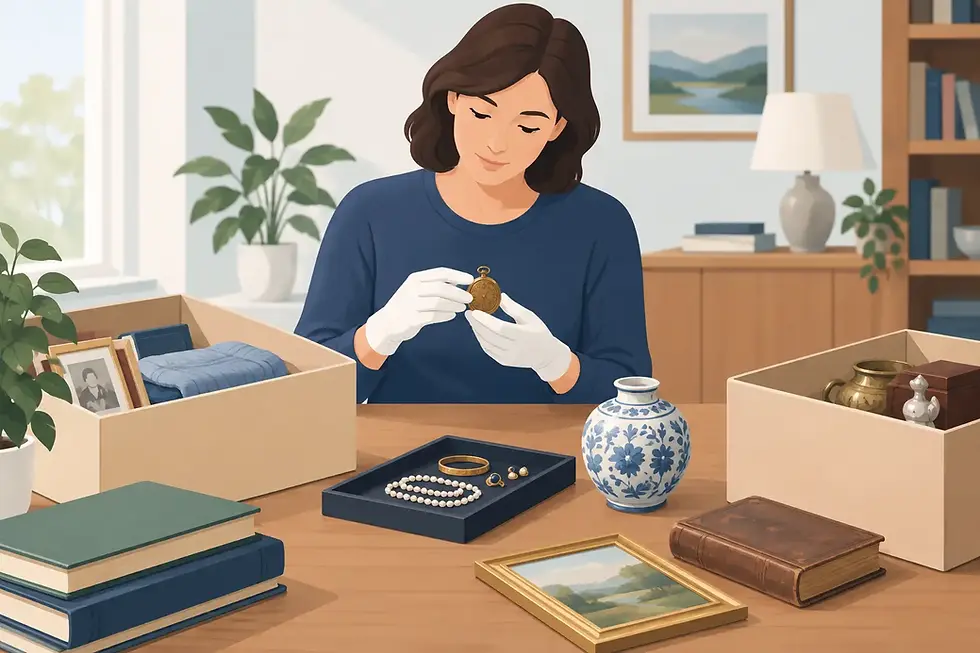
The process should be discreet and unhurried. Your items are examined in front of you, the findings are explained and you have time to ask questions. This can be particularly reassuring when sorting a relative's estate, deciding what to do with old wedding jewellery or clearing years of accumulated possessions from a family home.
If you accept an offer, payment arrangements should be clear before the transaction is completed. A documented record of what has been purchased and the agreed payment method provides reassurance for your own records and for other family members involved in an estate. If you decline, your jewellery remains yours, with no pressure to proceed.
We Pay Best provides private, professional assessments for people who want a clear understanding of what their gold jewellery may be worth without the uncertainty of postal services or impersonal counter transactions.
Questions worth asking before you sell
A trustworthy buyer will welcome sensible questions. Ask how the gold has been tested, what purity has been identified and how the weight has been measured. Ask whether stones, hallmarks, antique features or a recognised maker have been considered separately. If the price is linked to the current gold market, it is reasonable to ask how that has informed the offer on the day.
It can also help to ask whether the buyer is purchasing the item for its metal value, resale potential or both. There is no single answer that is automatically better. A plain, broken 9ct chain may be appropriately valued by weight, while an old 18ct ring with a quality diamond deserves a more detailed assessment.
Be cautious of vague promises such as "best price" without an explanation of how that price is reached. The right offer is not merely the highest number said quickly. It is one you can understand, made after the item has been properly inspected, in an environment where you have time to make your own decision.
When selling may not be the right choice
Not every broken item should leave the family. A wedding ring, a locket containing a photograph or a piece linked to someone important may be worth keeping, remodelling or sharing with relatives. A valuation can still be helpful, because it gives you a realistic picture of the item's financial value without reducing its personal meaning.
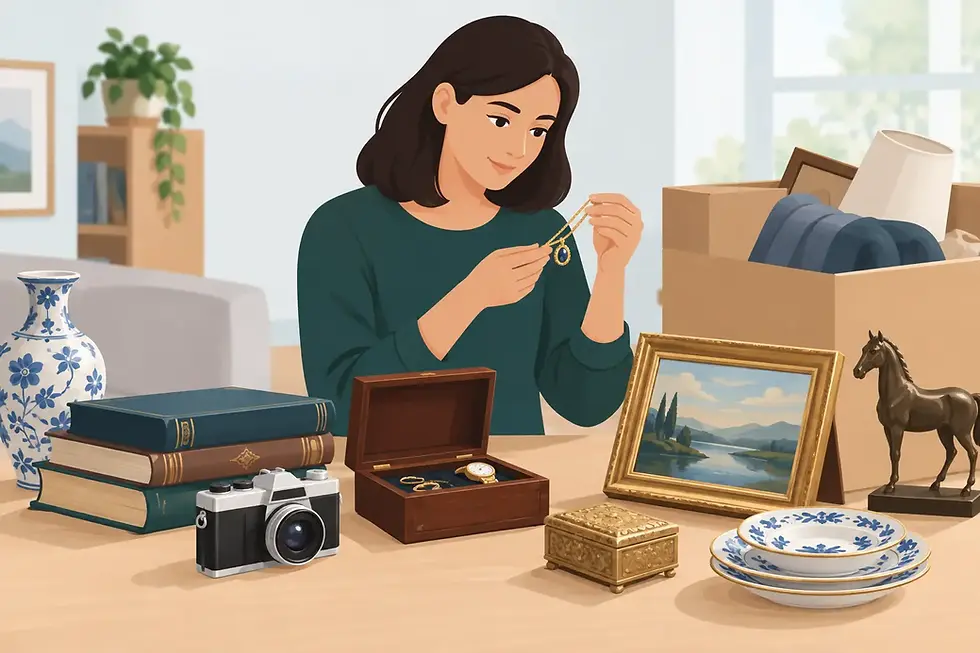
Equally, jewellery that has been sitting unused for a long time can become useful funds for a move, a family expense, an estate distribution or simply a fresh start. There is nothing careless about selling an item that no longer has a place in your life. The important thing is that the decision is yours, made with clear information and no pressure.
Put the broken pieces you have been meaning to sort into one small box, keep any loose parts beside them, and arrange an assessment when it suits you. A clear answer about their value can bring peace of mind, whether you choose to sell, keep or pass them on.
Comments