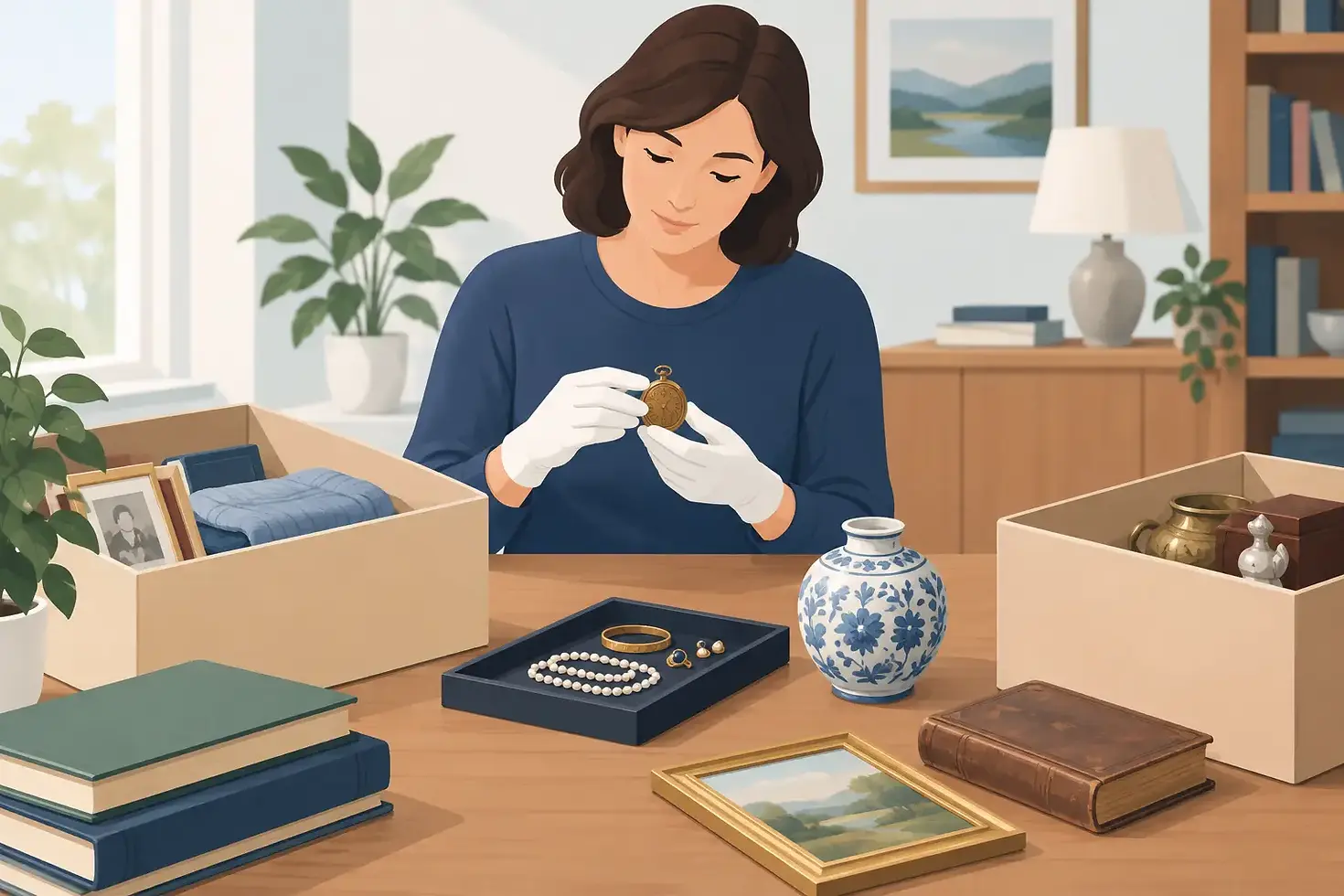
How to Sort Estate Valuables Without Rushing

A drawer of rings, a watch left in a bedside cabinet, a box of old coins in the loft: estate valuables rarely arrive neatly labelled or ready for decisions. Learning how to sort estate valuables is less about doing everything quickly and more about creating a calm, secure process that gives every item the attention it deserves.
Whether you are dealing with a family home after a bereavement, preparing a property for sale or simply clearing belongings that have been stored for years, there is no need to know the value of every object at the outset. Your first job is to separate, protect and record. Decisions about selling, keeping or sharing can follow once you have reliable information.
Start by protecting the items and the paperwork
Before sorting in earnest, choose one private, well-lit area and keep the valuables there. Avoid moving jewellery, watches, coins and small silver items between rooms or leaving them in bags by the door. If several relatives or professionals need access to the property, nominate one person to maintain a simple record of what has been found.
Gather obvious supporting paperwork at the same time. Look for watch boxes, jewellery certificates, purchase receipts, repair invoices, insurance schedules, auction catalogues, hallmark notes and handwritten labels. A box or document may not prove an item’s value on its own, but it can provide useful clues about age, maker, provenance and ownership.
Take clear photographs as you go, including close-ups of hallmarks, signatures, serial numbers and any damage. You do not need professional images. A basic record can prevent misunderstandings later, particularly where several family members are involved.
How to sort estate valuables into sensible groups
The simplest approach is to sort by material and type, rather than trying to decide immediately what is valuable. Place items into separate trays, envelopes or clearly marked boxes: jewellery, watches, precious-metal items, silverware, coins and medals, small antiques or collectibles, and paperwork. Keep pairs together, such as earrings and cufflinks, even if one piece appears damaged.
Do not assume that an item is of little value because it is tangled, broken, unfashionable or heavily worn. Gold and platinum jewellery may retain significant value for its metal content, while signed vintage pieces, diamonds and gemstones can add value beyond weight. A damaged luxury watch may still have valuable components, and a mixed lot of coins can contain a scarce date that is easy to miss.
Equally, avoid assuming that everything old is valuable. Silver-plated cutlery, costume jewellery and decorative objects are often mistaken for solid silver, gold or antiques. This is exactly why sorting should come before pricing. It keeps expectations realistic while ensuring that potentially valuable items are not overlooked.
Check for marks, but do not rely on them alone
Hallmarks and maker’s marks can be helpful. On jewellery, look inside rings, on clasps, behind brooches and on earring posts. Gold may be marked 9ct, 14ct, 18ct, 22ct, 375, 585, 750 or 916. Silver may carry 925, Sterling or a UK hallmark. Platinum is often marked 950 or Pt.
These marks can be tiny, worn or absent, especially on older pieces. Some genuine items were never marked, while marks can occasionally be misleading. Put anything marked or uncertain into the specialist-review group rather than attempting a home test. Acid tests, harsh cleaning products and internet tricks can damage an item or reduce its appeal to a buyer.
Separate sentimental decisions from financial ones
An estate can carry memories as well as monetary value. A modest locket may mean more to one person than a diamond ring does to another. It is often helpful to create a temporary "family review" box for items that may have sentimental importance, even if they are not particularly valuable in market terms.
Give relatives reasonable time to identify objects they would like to keep, but agree a clear date for responses. Photographing the items and sharing the images can be easier than passing valuables around. Where an executor is involved, keep the process documented and avoid distributing or selling items until the appropriate permissions are in place.
A fair valuation can support family discussions, but it cannot decide sentiment. Knowing an item’s likely sale value simply allows everyone to make choices in plain language and in their own time.
Identify items that need a specialist look
Some objects are worth setting aside for professional assessment even when they do not look especially impressive. This includes broken gold chains, single earrings, old dental gold, unworn wedding rings, loose stones, pocket watches, branded watches, silver tableware, presentation medals, sovereigns and older coins.
Pay particular attention to jewellery bearing names such as Cartier, Tiffany & Co., Van Cleef & Arpels, Bulgari or Fabergé, as well as watches from recognised luxury makers. Original boxes, service papers and certificates may affect resale interest, so keep them with the item where possible.
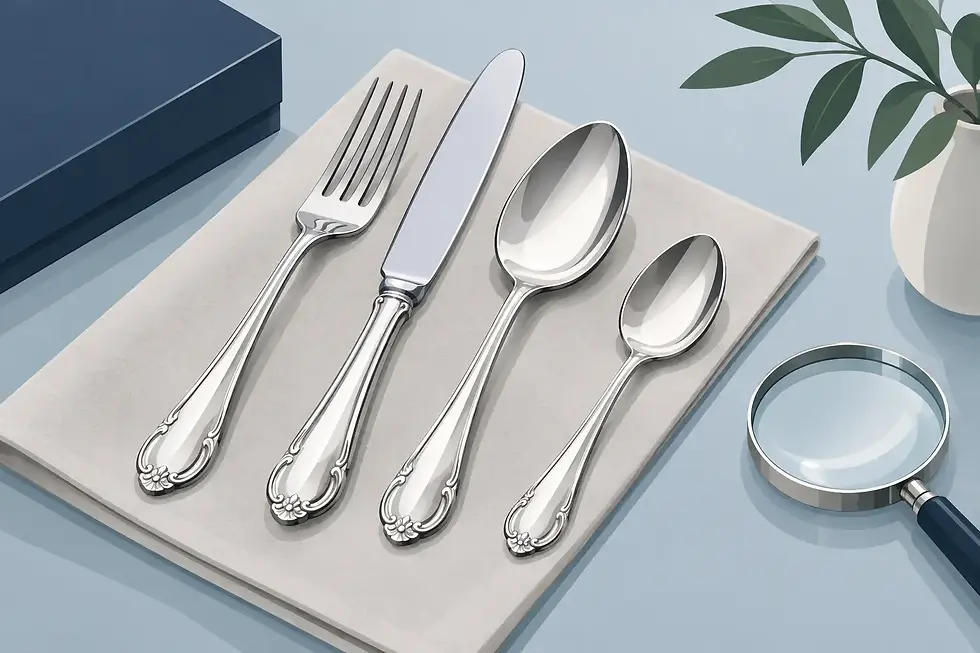
For silverware, check whether pieces are solid silver or plated. Candlesticks and weighted items can contain non-silver filling, meaning the weight alone does not indicate value. Coins should not be polished. Cleaning can remove the natural surface that collectors value and may make accurate assessment more difficult.
If you find an item that appears unusual, signed, very old or connected to a known family collection, place it safely to one side. A specialist can explain whether its value is primarily based on precious-metal content, craftsmanship, condition, rarity, brand or collector demand.
Avoid the common mistakes during a house clearance
House clearances create pressure because rooms need emptying and practical deadlines are real. Yet the most costly errors often happen when small items are swept into mixed bags, charity boxes or general clearance piles. Check wardrobes, coat pockets, bedside drawers, filing cabinets, sewing boxes, bureau compartments, display cabinets and the back of safes before anything leaves the property.
It is also wise to avoid throwing away unattractive packaging. An old watch box, jewellery case or envelope from a jeweller may help identify an item later. Keep each item in its own small bag or wrap it in soft tissue rather than letting metal pieces rub together.
Do not post valuables to an unfamiliar buyer simply because sorting feels overwhelming. Transporting high-value belongings brings security concerns, and offers made without a proper inspection may not reflect the item’s true nature. A private appointment at home or at your office can be a more comfortable option when there is a large quantity to review or when discretion matters.
What a professional valuation should make clear
A good assessment should not feel rushed or mysterious. The specialist should inspect items carefully, explain what they have identified and distinguish between a metal-value offer and any additional value for diamonds, brand, design, condition or collectability.
Precious-metal prices move with the market, so the offer for gold, silver or platinum will depend on the current rate, the tested purity and the usable weight. Watches, antique jewellery and rare collectibles require a different judgement. Their value depends on factors such as authenticity, model, condition, demand, original parts and supporting documents.
Ask for a clear written record of the items you choose to sell and the price agreed. You should also understand how payment will be made before handing anything over. There should be no pressure to accept an offer, and you remain in control of what stays with the estate.
We Pay Best offers private, no-obligation appointments for people who want valuable estate items assessed carefully at home, with explanations in plain language and documented secure payment if they decide to sell.
Give yourself permission to pause
Not every item needs an answer on the day it is found. Once valuables have been secured, photographed and separated for review, you have already done the most important part. A careful pause can protect both the financial value of an estate and the memories attached to it, leaving you free to make the next decision with confidence rather than urgency.

Comments