Are Broken Chains Worth Selling in the UK?

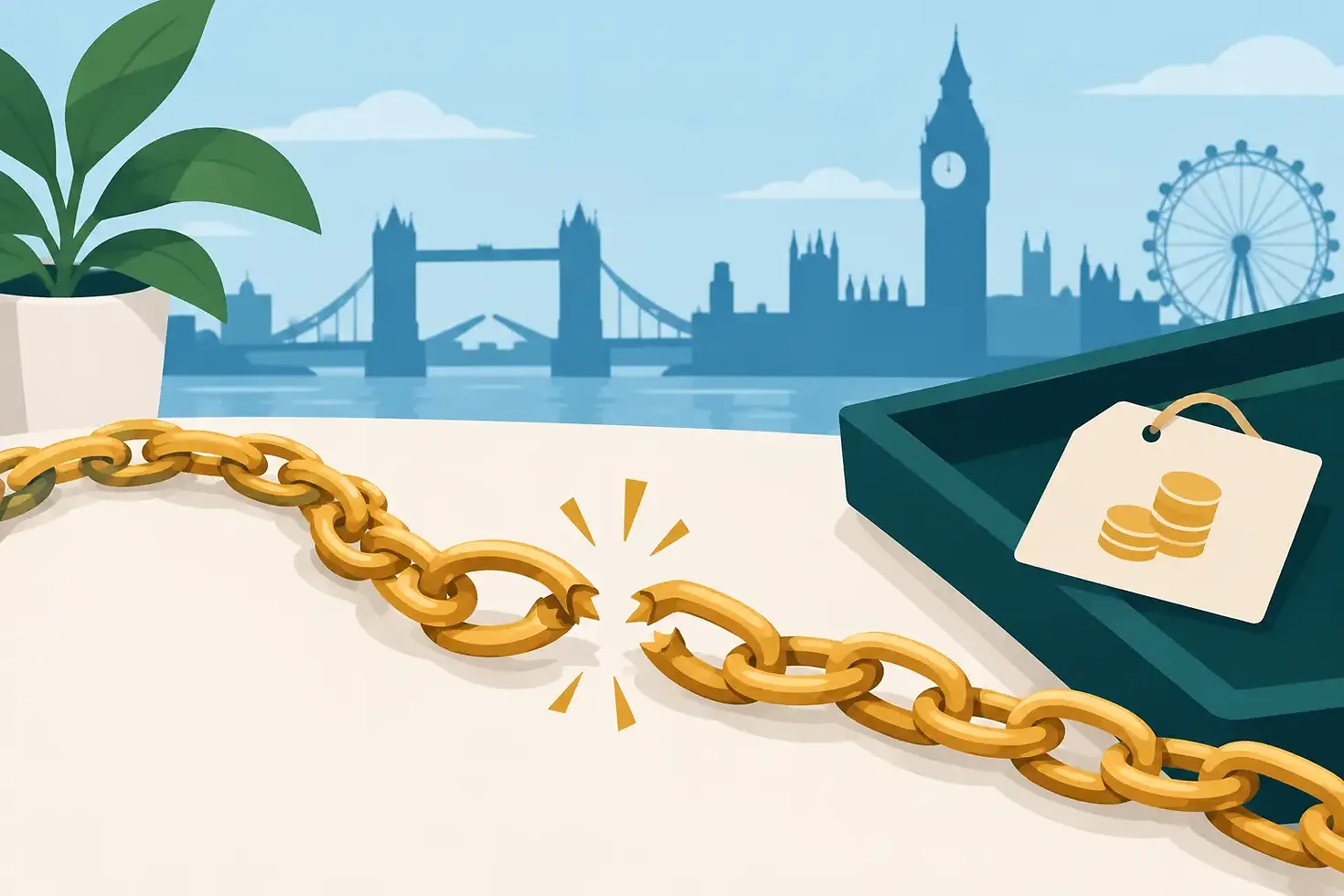
A snapped clasp, a crushed link or a chain tangled beyond repair can make a piece of jewellery feel like clutter. Yet, are broken chains worth selling? In many cases, yes. If a chain is made from gold, silver or platinum, its value may lie in the precious metal itself rather than whether it can still be worn.
That does not mean every damaged chain will command the same price, or that sentimental pieces should be sold without thought. A fair decision starts with knowing what you have, how it is assessed and whether its value is greater as a repairable piece of jewellery or as precious metal.
Why broken chains can still have value
Jewellery does not need to be perfect to be valuable. Gold, platinum and silver retain an underlying material value, even when a chain has a broken fastening, worn links or damage caused by everyday use. A buyer can assess the metal’s purity and weight, then base an offer on the current market price for that metal.
This is particularly relevant to older chains that have sat in a jewellery box for years. They may be unfashionable, too short, badly tangled or no longer wanted, but the precious metal has not lost its inherent worth simply because the item cannot be worn immediately.
Gold chains are commonly stamped with a hallmark such as 9ct, 14ct, 18ct or 22ct. In the UK, you may also see fineness marks such as 375, 585, 750 or 916. These indicate the proportion of pure gold in the alloy. Silver is often marked 925 for sterling silver, while platinum may carry marks including 950. Hallmarks are helpful, but a professional assessment should not rely on a stamp alone, particularly where marks are worn or a piece is older.
Are broken gold chains worth selling for more than scrap?
It depends on the chain. Some damaged gold chains are best valued by their metal content, often described as scrap value. Others may have additional value because of their design, maker, age or attached components.
A substantial antique chain, for example, may be worth repairing if it has distinctive craftsmanship or historical interest. A branded chain, an unusual Victorian design, or a piece with valuable charms or gemstones should be examined as jewellery first. Melting such an item purely for metal could overlook its wider resale value.
By contrast, a modern chain with severely stretched links, multiple repairs or a missing section may be valued primarily by its gold weight and purity. This is not a lesser outcome. It simply means the clearest value is in the material rather than its condition as wearable jewellery.
The same principle applies to broken silver and platinum chains. Silver usually has a lower price per gram than gold, so a lightweight broken silver chain may not be worth much on its own. Platinum is denser and often valuable, but it needs accurate identification because it can resemble white gold or silver at first glance.
What determines the price of a damaged chain?
A professional buyer will normally consider several details together rather than offer a figure based on appearance alone. The most influential factors are metal type, purity, weight and the live market price on the day of assessment.
Weight matters because precious metals are generally valued by the gram. However, the full weight of a chain is not always the same as its precious-metal weight. Clasps, jump rings, decorative sections and attached pendants may contain non-precious components. Stones, enamel and other materials can also affect how a piece is assessed.
Condition still matters, just in a different way. If the chain is saleable after a straightforward repair, its design and condition may support a higher jewellery resale value. If it is damaged beyond practical repair, condition matters less than purity and weight. A clear explanation of which route applies to your item is an important part of a transparent valuation.
Current market prices also matter. Gold and other precious-metal prices move regularly, sometimes noticeably over a short period. This is why an old receipt, an insurance valuation or a price offered years ago should be treated as background information, not a current sale price.
Hallmarks are useful, but not the whole story
It is worth looking for hallmarks before arranging a valuation, but do not worry if you cannot find one. Marks are often tiny and may sit near the clasp, on a tag or inside a link. They can be obscured by wear, dirt or an earlier repair.
A specialist can inspect the piece carefully and use appropriate testing methods where needed. This is preferable to guessing from colour alone. Gold-plated jewellery can look convincing, while older unmarked pieces may be more valuable than expected.
Before you sell a broken chain, check these details
First, look through the jewellery box for matching items. A broken chain may belong with a pendant, bracelet, earrings or other pieces from the same set. Keeping related items together gives the assessor a fuller picture and may reveal extra value.
Next, consider whether the chain carries personal meaning. A chain inherited from a parent or given for a milestone birthday may be worth keeping, repairing or sharing within the family, even if its financial value is modest. There is no need to decide quickly. A no-pressure valuation can give you the facts while leaving the choice entirely with you.
It is also sensible not to attempt home repairs before an assessment. Soldering, cutting links or removing fittings can make it harder to judge the original construction. Store pieces safely in a small pouch or separate container instead, especially if there are loose stones or broken sections.
Finally, gather any relevant paperwork you already have, such as an old valuation, purchase receipt, certificate or box. These documents are not essential for selling a chain, but they can be useful where an item may be branded, antique or accompanied by diamonds or gemstones.
Repair, sell or keep: making the right choice
Repair can be worthwhile when the chain is well made, emotionally significant or valuable as a complete piece. A straightforward replacement clasp or a single repaired link may cost far less than replacing a favourite chain. Ask a reputable jeweller for a repair estimate before making a final decision if wearing it again is important to you.
Selling may make more sense where repairs would be repeated, expensive or unlikely to restore the chain’s strength. Fine chains with multiple weak points can continue to fail, and a heavily damaged piece may spend more time in a drawer than around your neck. In that situation, selling the precious metal can turn an unused item into useful funds.
Keeping it may be the right answer if you are uncertain. There is no deadline imposed by a broken chain. Knowing its likely market value can be helpful, but it does not oblige you to accept an offer.
What a fair private valuation should look like
For many people, the difficulty is not deciding whether a broken chain has value. It is feeling confident that they understand the offer and are not being rushed into accepting it.
A proper valuation should be carried out carefully, with the item handled respectfully and the key factors explained in plain language. You should be told whether the value is based on the chain’s metal content, its resale potential as jewellery, or a combination of both. If the chain includes a pendant, diamonds or other stones, these should not simply be ignored because the chain itself is broken.
A private appointment can be especially reassuring when you have several items to assess, are dealing with an estate, or do not want to carry valuables around London or post them away. We Pay Best provides professional, no-obligation assessments at your home or office, allowing you to see the process, ask questions and make your decision in your own time. If you choose to sell, payment and documentation should be clear and secure.
Be cautious of offers that focus only on a quick total without identifying the metal, weight or reason for the price. You do not need to become an expert yourself, but you should leave the conversation understanding what you are selling and why it has been valued that way.
Broken chains are often the beginning of a useful find
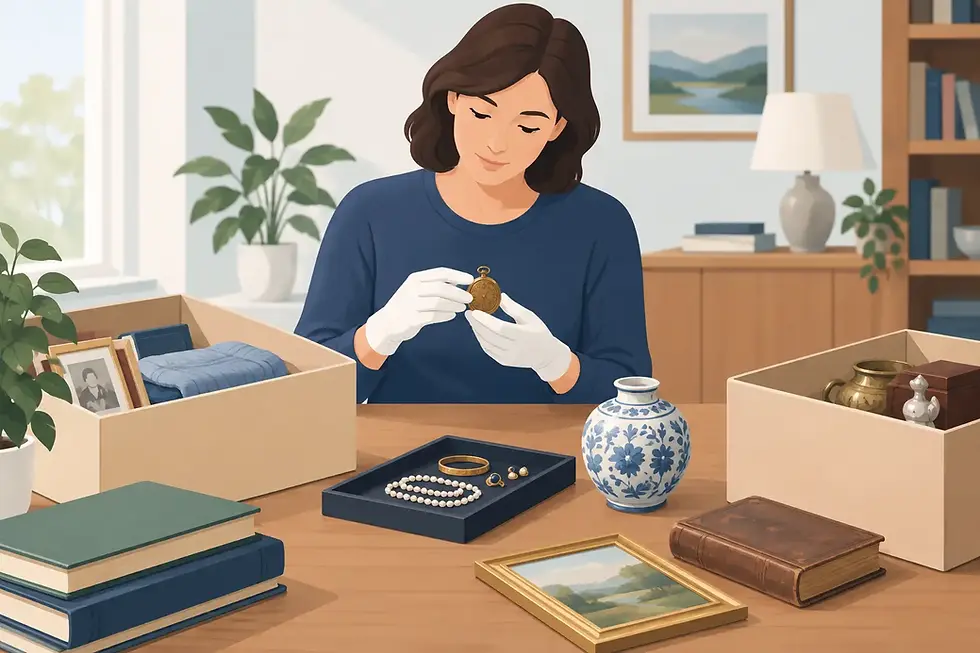
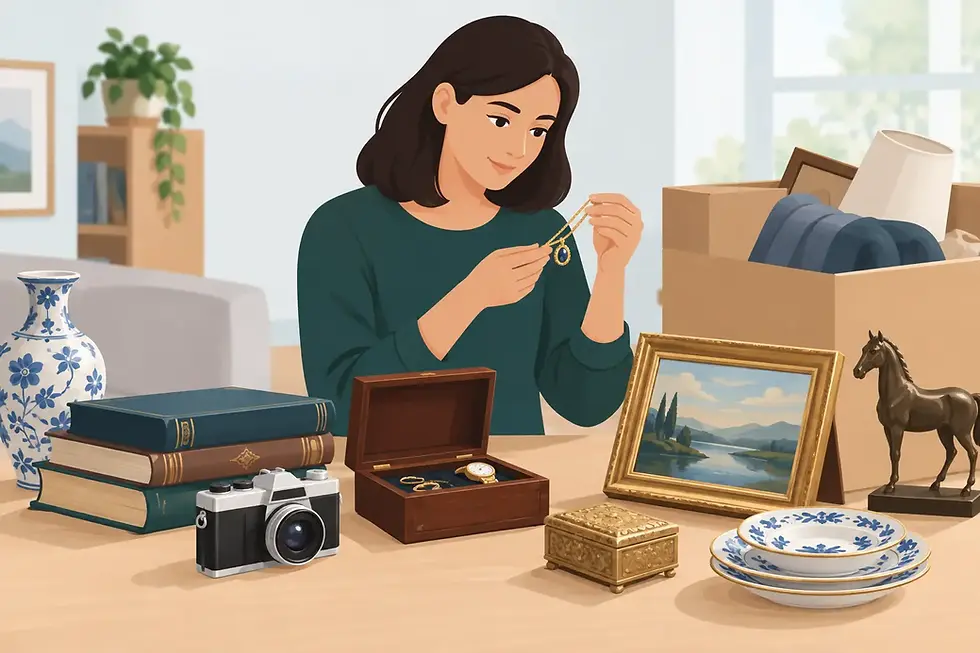
A damaged chain can be easy to dismiss, especially when it has been sitting with odd earrings, old watches and inherited jewellery for years. But it may be part of a collection with more value than you expect. Assessing everything together can bring clarity, whether the final choice is to repair one cherished piece, keep a family heirloom or sell items that no longer have a place in your life.
Put the chain aside safely, avoid making hasty repairs, and allow yourself the time to understand its value. A calm, informed decision is usually the best one.
Comments