House Clearance Valuables Worth Checking First

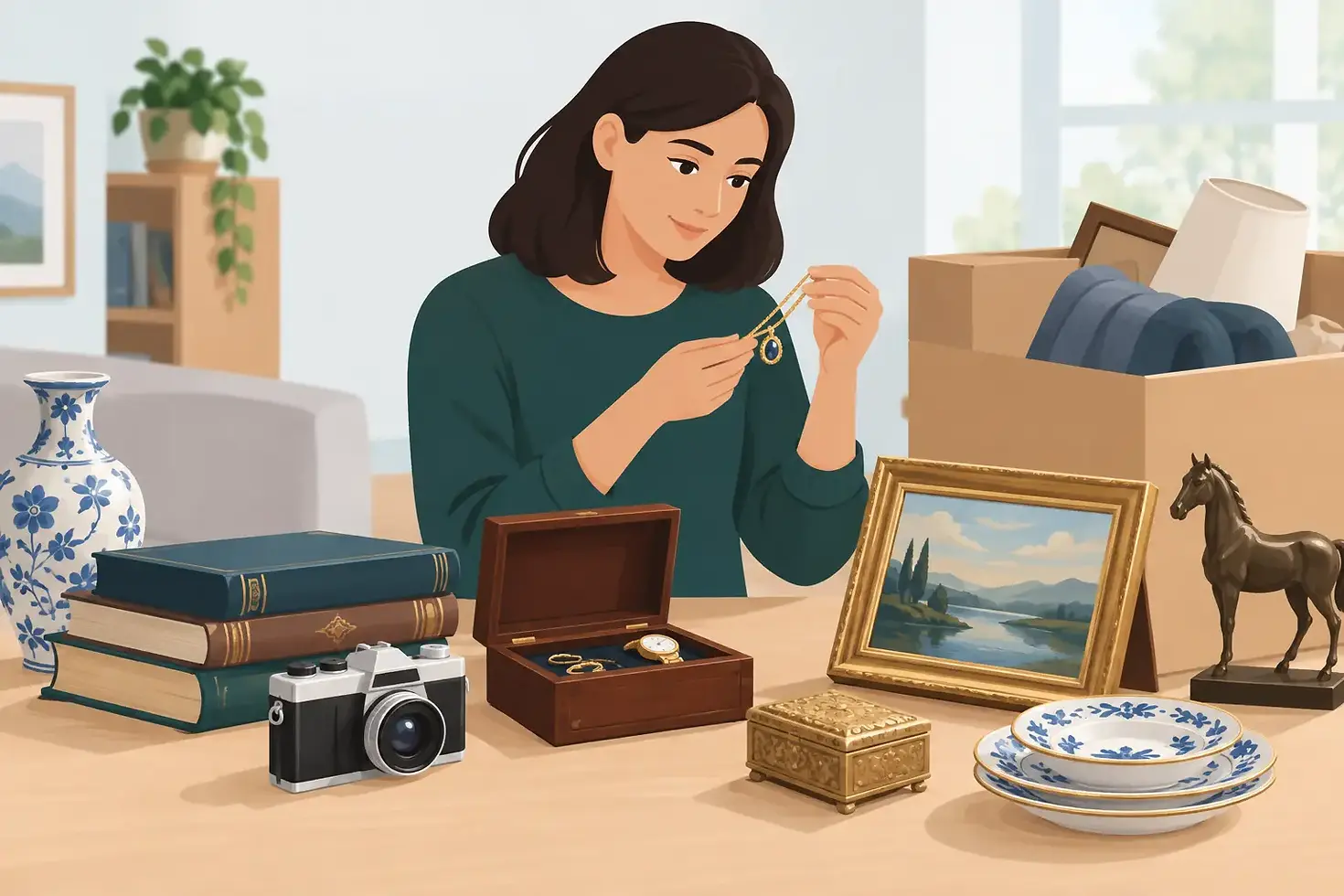
A house clearance can move quickly. One room is emptied, boxes are labelled for charity or disposal, and a lifetime of small possessions starts to look like clutter. Yet house clearance valuables are often found in the places people least expect: an old handbag at the back of a wardrobe, a dressing-table drawer, a biscuit tin, a desk, or a box marked simply keepsakes.
The sensible approach is not to assume every older item is valuable, nor to throw anything away before it has been checked. A little care at the beginning can protect objects with financial value and give family members time to make decisions without pressure. Whether you are clearing a parent’s home, preparing to move, or sorting a property after a bereavement, it helps to know what to set aside and what a professional buyer will look for.
Start by creating a separate valuables box
Before arranging collections or filling a skip, keep a clearly labelled box or drawer for items that need a second look. It does not need to be organised perfectly. The aim is simply to stop potentially valuable pieces being mixed in with costume jewellery, paperwork or household odds and ends.
Jewellery is the most common find. Broken gold chains, single earrings, rings that no longer fit and tangled bracelets can all have value, even if they are damaged or unfashionable. Look for hallmarks inside rings, on clasps and on the backs of pendants. Marks such as 9ct, 14ct, 18ct, 22ct, 375, 585, 750, 916, 925 and Pt can indicate the metal content, although an expert inspection is the safest way to confirm it.
Also set aside watches, silverware, coins, medals, loose gemstones, antique jewellery and small collectibles. Do not dismiss an item because it is tarnished, missing its box or has not been worn for years. Condition matters, but it is only one part of the assessment. A signed watch, a diamond ring, a silver tea service or a scarce coin may be worth examining properly before any decision is made.
Where valuables are commonly overlooked
The obvious jewellery box is only the start. Older generations often stored important pieces discreetly, particularly when banks, insurance and personal circumstances were different. Search carefully and methodically, especially before furniture is removed or donated.
Check handbags, coat pockets, sewing boxes, bedside cabinets, bureau drawers, photograph albums, filing cabinets and old suitcases. Jewellery may have been wrapped in tissue, stored in a spectacles case or tucked inside a small pouch. Coins and medals are sometimes kept in envelopes with paperwork. Watches may be in a drawer rather than a presentation box, particularly if their owner stopped wearing them.
Do this with sensitivity. In an estate clearance, several people may have memories or expectations attached to particular items. Photographing pieces as they are found, keeping them together and agreeing not to sell anything immediately can prevent misunderstandings later. If there is a will, speak with the executor before distributing or selling possessions.
How house clearance valuables are assessed
A fair assessment should be based on what an item actually is, not on guesswork or a quick glance. Precious-metal jewellery is examined for its metal type, purity and weight. The current market price of gold, silver or platinum affects the offer, which means values can change over time.
Some pieces are worth more than their scrap-metal value. Antique jewellery, recognised designer pieces, well-made older settings and jewellery with diamonds or quality coloured stones may attract value for craftsmanship, age, provenance and resale demand. A professional assessment separates these factors rather than treating every item as simply a weight of metal.
Watches are assessed differently. Brand, model, condition, authenticity, working order, age and demand can all affect the price. Original boxes, papers, spare links and service records can be useful, but their absence does not automatically mean a watch has no value. The same principle applies to coins and collectibles: rarity, condition, date, mint marks and collector demand may matter more than face value.
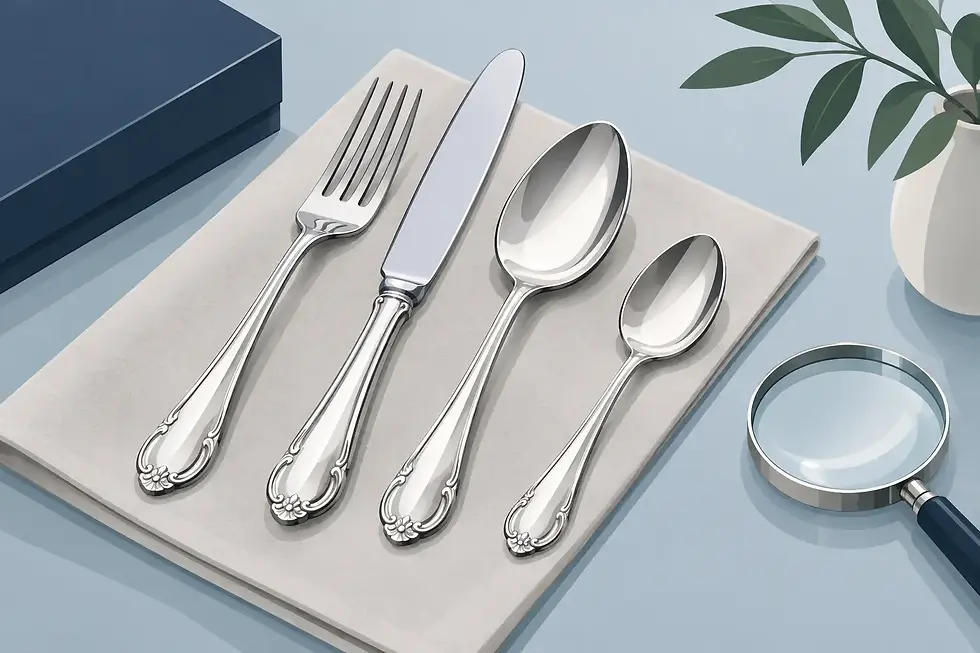
Silverware needs careful checking too. Solid silver often carries British hallmarks that identify the maker, assay office, purity and date letter. Silver-plated items are common and may be attractive family pieces, but they are valued differently from solid silver. A clear explanation of this distinction helps you decide what you wish to keep, sell or pass on.
Avoid the rushed-sale traps
When a property needs clearing, convenience can feel more urgent than careful decision-making. That is understandable, but it is worth pausing before accepting the first offer or selling a mixed bag of items without an itemised explanation.
Postal gold-buying services can be convenient for some sellers, but posting personal valuables means relinquishing control while they are in transit. Pawnbrokers and high-street buyers may suit others, especially for a straightforward transaction, though the experience can feel rushed and may not allow time for a detailed discussion of antique or collectible pieces.
A private appointment at home offers a different route. You can see each item handled carefully, ask questions in plain language and decide in your own time whether an offer is right for you. There should be no obligation to sell simply because an assessment has been carried out.
Be cautious of anyone who pressures you to decide immediately, gives one unexplained total for several very different items, or will not provide written records. A reputable buyer should be comfortable explaining how an offer has been reached, particularly where gold weight, purity, diamonds, watch models or hallmarks affect the result.
Prepare for a valuation without overthinking it
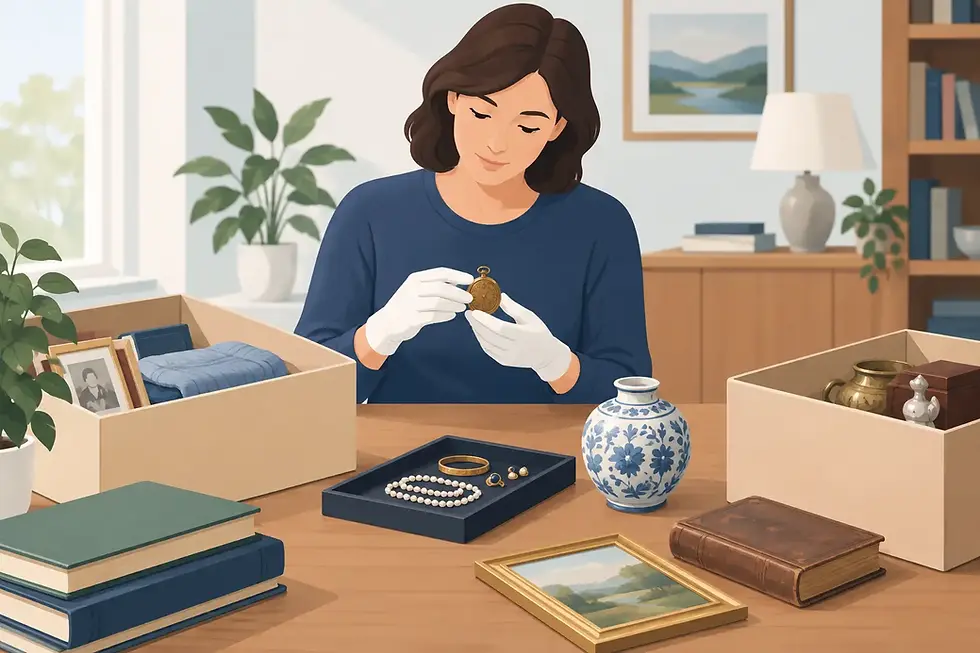
You do not need to polish silver, repair jewellery or research every hallmark before an appointment. In fact, aggressive cleaning can damage delicate finishes, patina or stones. Leave pieces as they are and gather any boxes, certificates, receipts, service papers or family notes that may be available.
If you are sorting through a large house, bring the likely valuables together in one secure place. Keep jewellery and watches away from open rooms or communal clearance areas. It can also be helpful to have a family member present where the items belong to an estate, both for reassurance and so that decisions are clear.
During a professional valuation, ask what each item is made from, whether it is being valued for its materials or its resale potential, and whether any pieces deserve further specialist attention. You are entitled to understand the offer. Clear answers are part of a safe sale, not an inconvenience.
A discreet way to sell items you do not wish to keep
Not every heirloom needs to remain in the family. Some pieces are unworn, broken, duplicated or simply not to your taste. Selling them can help fund legal costs, property work, a move or something meaningful for the family. Choosing to sell does not erase the story behind an object.
We Pay Best provides private, no-obligation home and office appointments for people who want a straightforward assessment of gold, silver, platinum, jewellery, diamonds, luxury watches, coins and selected collectibles. Eligible items are assessed with reference to current market prices, and the process includes clear documentation and secure payment arrangements.
The right approach depends on what you have. A small collection of broken gold may be relatively simple to assess. A drawer containing antique jewellery, watches, silver and coins deserves more time. In either case, discretion, a careful inspection and a written record give you the control to make an informed choice.
Before the last box leaves the property, take one final, unhurried look through the drawers, cupboards and small storage places. A few minutes of care can preserve a family story, reveal an overlooked asset or simply give you peace of mind that nothing valuable has been lost in the rush.

Comments