
A Practical Guide to Estate Jewellery

A jewellery box found while clearing a family home can hold far more than a collection of old rings and chains. It may contain treasured keepsakes, pieces no one wears, and items whose value is not immediately obvious. This guide to estate jewellery explains how to identify what you have, understand the factors that affect its worth, and make a calm, informed decision if you choose to sell.
Estate jewellery can carry memories as well as monetary value. There is no need to decide its future in a hurry. A professional assessment should give you clear information in plain language, allowing you to keep, share, insure or sell pieces in your own time.
What Is Estate Jewellery?
Estate jewellery is simply jewellery that has previously been owned. It is often associated with an inheritance, probate estate, house clearance or family collection, but it can also describe pre-owned pieces bought and sold during someone’s lifetime. It does not automatically mean antique jewellery.
An antique item is generally over 100 years old, while vintage jewellery is commonly used for pieces from an earlier period, often 20 years or more old. Estate jewellery may be antique, vintage or relatively modern. A 1970s gold bracelet, an Art Deco diamond ring and a contemporary designer watch can all be part of an estate.
That distinction matters because value can come from different places. Some items are worth principally for their gold, silver or platinum content. Others command more because of their design, maker, gemstones, condition, period or collectability. A careful buyer will assess the whole item before discussing an offer.
A Guide to Estate Jewellery: What May Have Value
Do not dismiss an item because it is unfashionable, tangled, damaged or missing its original box. Broken jewellery can still have considerable precious-metal value, while an older piece with an unfamiliar hallmark may have interest beyond its weight.
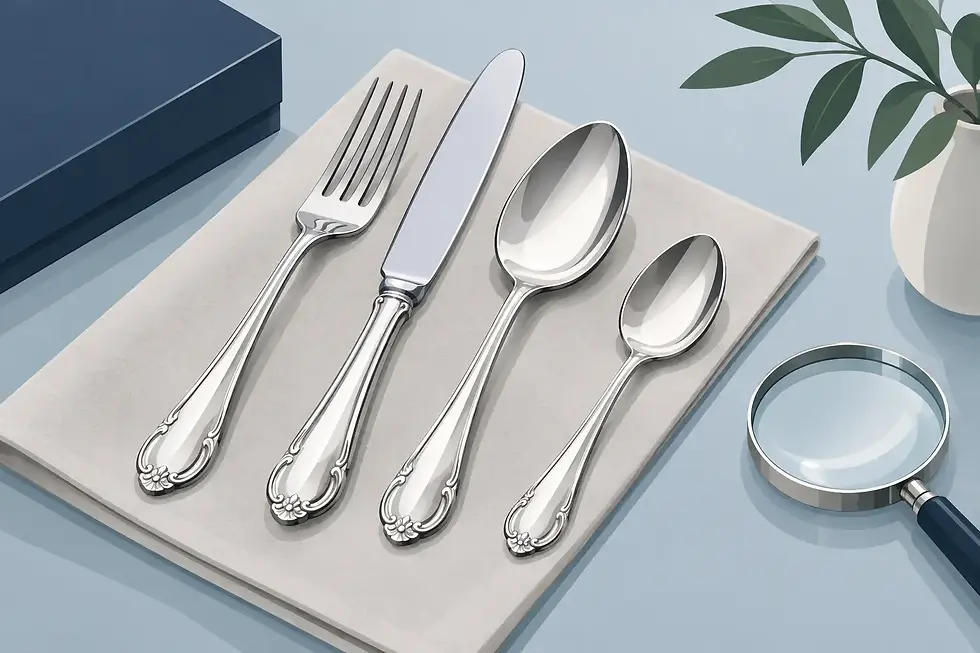
Look through rings, chains, bracelets, bangles, brooches, earrings, pendants, cufflinks and lockets. Also set aside watches, silver items, loose stones, medals, coins and any original presentation boxes or paperwork. A jeweller’s receipt, diamond certificate, maker’s box or service history can help establish provenance, although their absence does not make an item valueless.
Hallmarks are useful starting points. On British jewellery, you may see marks indicating gold purity such as 9ct, 14ct, 18ct or 22ct, or fineness marks including 375, 585, 750 and 916. Platinum is often marked 950, while sterling silver is usually 925. Older pieces may use different marks or have worn hallmarks, so a missing or unclear stamp should not be treated as proof that an item is not precious.
Costume jewellery deserves a closer look too. Most has modest resale value, but signed pieces by recognised designers, distinctive period jewellery and high-quality examples can be collectable. It depends on the maker, materials, condition and current demand.
How Estate Jewellery Is Valued
A fair valuation begins with meticulous inspection, not a quick glance at a hallmark. For gold, silver and platinum, the current market price is one important factor, but it is not the only one. The buyer needs to establish the metal type, purity and weight accurately.
Gemstones are assessed separately. Diamonds may be considered for their carat weight, cut, colour, clarity and whether they are natural or laboratory-grown. Coloured stones such as sapphires, rubies and emeralds require particular care, as treatment, origin, damage and quality can affect demand significantly. A stone’s size alone does not determine its value.
The same principle applies to branded and antique pieces. Jewellery by sought-after houses, named makers or distinctive design periods can be worth more than its scrap-metal value. Conversely, a heavily worn or altered item may be more suitable for its material value. The right answer comes from examining the individual piece rather than making assumptions from a photograph or family story.
When arranging an assessment, ask how the offer will be explained. You should be able to understand whether the value is based on weight and purity, gemstone quality, designer resale potential or collector interest. Transparency is particularly important where several types of item are being considered together.
Before You Arrange an Assessment
There is no need to polish estate jewellery aggressively. Abrasive cleaners can damage softer stones, remove desirable patina from older silver, or affect delicate settings and enamel. Keep pieces dry, separated where possible, and place loose earrings or small items in labelled envelopes or bags.
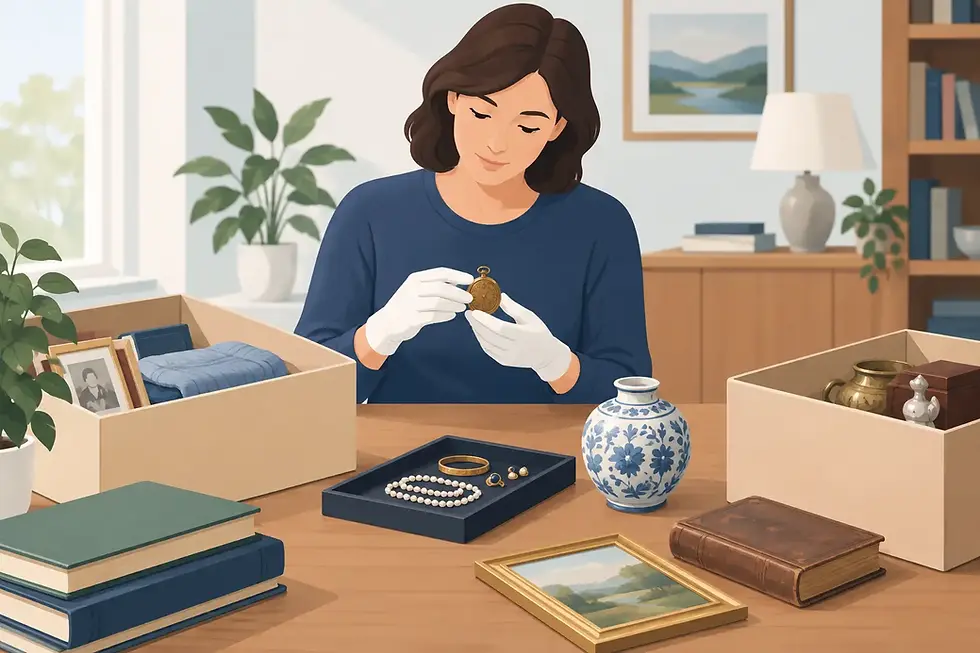
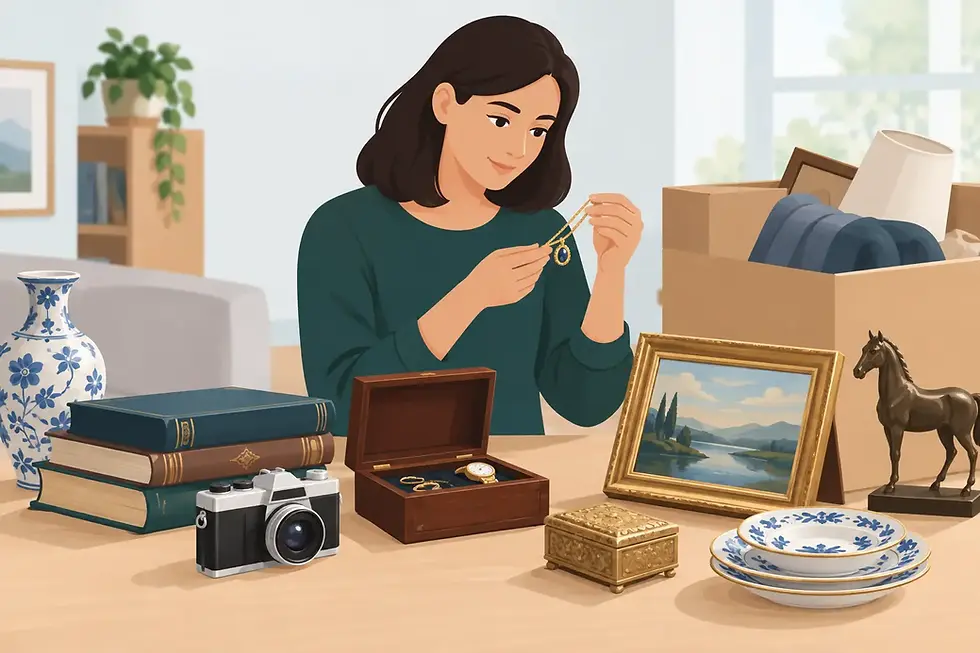
Take a little time to check whether other family members have an interest in particular items. For many people, the hardest part is not working out the price but deciding what should remain in the family. A photograph, inscription or engraving may make a modestly valued piece emotionally priceless. Keeping one or two meaningful items while selling jewellery that will otherwise sit unworn is often a sensible middle ground.
If you can find certificates, valuations, receipts, watch papers or boxes, keep them with the relevant item. These documents can be helpful, but do not worry if they were lost years ago. A specialist can still inspect the jewellery itself.
For security and convenience, an in-home or office appointment may suit people handling a large collection, dealing with probate, or simply unwilling to carry valuables across London or further afield. It also gives you time to ask questions privately, without pressure at a shop counter.
What Happens at a Professional Appointment?
A proper appointment should feel calm and straightforward. The assessor will normally sort items by category, inspect hallmarks and construction, test metals where appropriate, weigh precious-metal pieces, and examine stones, watches or maker’s marks more closely. You should be told what is being tested and why.
Not every item will have a purchase value, and not every valuable item should be sold immediately. If there is uncertainty over a rare antique, an unusual gem or a high-value watch, further research may be appropriate. That is not a bad sign. It can be the right way to avoid undervaluing something distinctive.
Once an offer is made, you remain in control. Ask for a clear breakdown and take time to consider it. A no-obligation assessment means exactly that: you can decline, retain selected pieces, or sell only the items you are comfortable parting with.
If you accept an offer, insist on written documentation showing what was purchased and the payment method. Secure payment and a detailed invoice provide a useful record for your household files, executors or other family members.
Common Mistakes to Avoid When Selling
The biggest mistake is assuming all old jewellery has the same type of value. Selling a designer, antique or gem-set item only for its metal content can mean overlooking its resale or collector appeal. The opposite can also happen: people hold onto ordinary broken gold for years because they believe age alone makes it an antique.
It is also wise to avoid posting valuables to an unknown buyer or accepting vague verbal prices. Convenience should not mean uncertainty. You should know who is handling your jewellery, how it is being assessed, what you are being offered and how payment will be completed.
Finally, do not let the pressure of a house move, bereavement or clearance force a rushed decision. Separate the items you know you want to keep first. Then seek an assessment for the remainder, particularly where gold, platinum, diamonds, luxury watches or older signed pieces are involved.
Choosing the Right Route for Your Jewellery
Auction can be suitable for rare, highly collectable or unusual pieces, but it may involve waiting, seller’s fees and no guaranteed final price. A retail jeweller may offer part exchange, which can work if you already plan to buy something new. Selling directly to a specialist buyer is often the simpler route for unwanted precious-metal jewellery, broken pieces and mixed estate collections.
The best choice depends on what you own and what matters most to you. If speed, privacy and a clear market-based offer are priorities, a private appointment can remove much of the uncertainty. We Pay Best provides professional, no-obligation assessments in the comfort of your home or office, with careful handling and documented secure payment for eligible items.
A family collection does not need to be treated as a problem to solve in an afternoon. Start by preserving the pieces with personal meaning, then let knowledgeable inspection reveal the value of the rest. With clear information and no pressure, you can decide what happens next with confidence.
Comments