
Jewellery Valuation at Home, Made Simple

A forgotten jewellery box can hold far more than a few old chains and mismatched earrings. It may contain inherited pieces, a wedding ring that no longer feels right to keep, or broken gold that has sat in a drawer for years. A jewellery valuation at home gives you a private, practical way to understand what those items may be worth, without carrying them through town or posting them away.
For many people, the first question is not whether to sell. It is whether they can trust the process. A professional home appointment should give you time, clear explanations and complete control over your decision. You should never feel hurried to part with something that has financial or sentimental value.
What a jewellery valuation at home involves
A home valuation is a private appointment with a specialist buyer, arranged at a time that suits you. They inspect the items in front of you, explain what they are looking at and make an offer where there is a buying market. You remain present throughout, so there is no uncertainty about where your jewellery has gone or how it has been assessed.
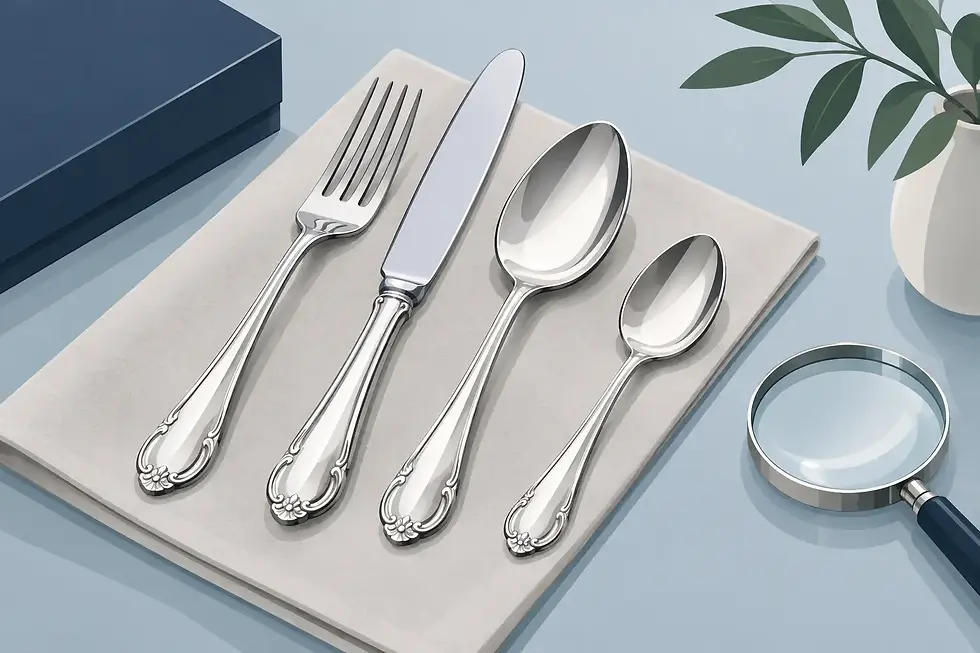
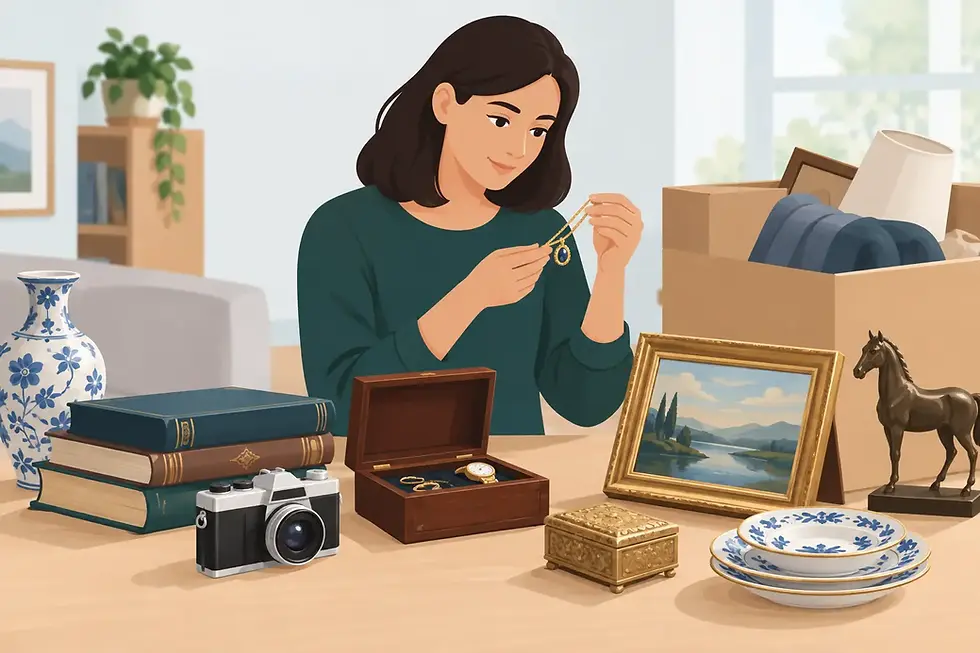
The appointment can be especially helpful if you have several items to review. This may include gold jewellery, silver, platinum, diamond rings, luxury watches, antique jewellery, silverware, coins or collectibles discovered during a house clearance. Rather than trying to decide in advance what is valuable, it is usually best to bring everything together. A plain-looking brooch, an old pocket watch or a damaged chain can still deserve a closer look.
A professional buyer will normally examine hallmarks, metal purity, weight, condition, craftsmanship, gemstones, maker's marks and any evidence of age or provenance. For watches and more specialist pieces, the model, movement, original box, papers and overall condition can all affect resale value.
The process is not the same as an insurance valuation. An insurance document generally states the cost of replacing an item at retail. A buying valuation reflects what a specialist can reasonably pay based on the current precious-metal market, demand, condition and likely resale route. Both have a purpose, but they answer different questions.
How jewellery values are worked out
There is no single formula for every piece. A modern gold chain is often valued principally for its weight and purity, while an antique ring may be worth more because of its design, maker, period or gemstones. A diamond can carry significant value, but its price depends on far more than its size.
Precious metals and hallmarks
Gold, silver and platinum are assessed according to their fineness and weight. UK hallmarks can indicate the metal and purity, but worn or older items do not always show a clear mark. Experienced inspection, and where appropriate testing, helps confirm what an item is made from.
Current market prices matter. Gold prices move, sometimes noticeably, so an offer made today may differ from one made months ago. This is one reason a transparent buyer should explain the metal content and weight rather than simply give a figure without context.
Broken jewellery is still worth assessing. A snapped bracelet, single earring or ring with a missing stone may have little resale appeal as a finished piece, but its precious-metal content can retain real value. Equally, a complete item should not automatically be treated as scrap if its design, brand or age gives it a stronger market value.
Diamonds, gemstones and design
Diamonds are considered for their size, quality, cut, colour and clarity, alongside the style and condition of the setting. Certification can be useful, particularly for larger stones, but a missing certificate does not mean a diamond has no value.
Coloured gemstones require particular care. Natural sapphires, rubies and emeralds can vary widely in value according to quality, treatments, origin and condition. Some stones have modest resale demand, even where they look impressive. A careful assessment should be honest about that distinction.
Designer and antique jewellery may command a premium when there is a recognised maker, desirable style or strong provenance. Original receipts, boxes, certificates, photographs and family paperwork can all be worth setting aside. They are helpful, but not essential. Do not delay an appointment simply because documents cannot be found.
Preparing for your appointment
You do not need to clean jewellery aggressively or attempt repairs before it is seen. Harsh cleaning products can damage stones, remove surface finishes or weaken delicate settings. A soft, dry cloth is enough if you would like to present pieces neatly.
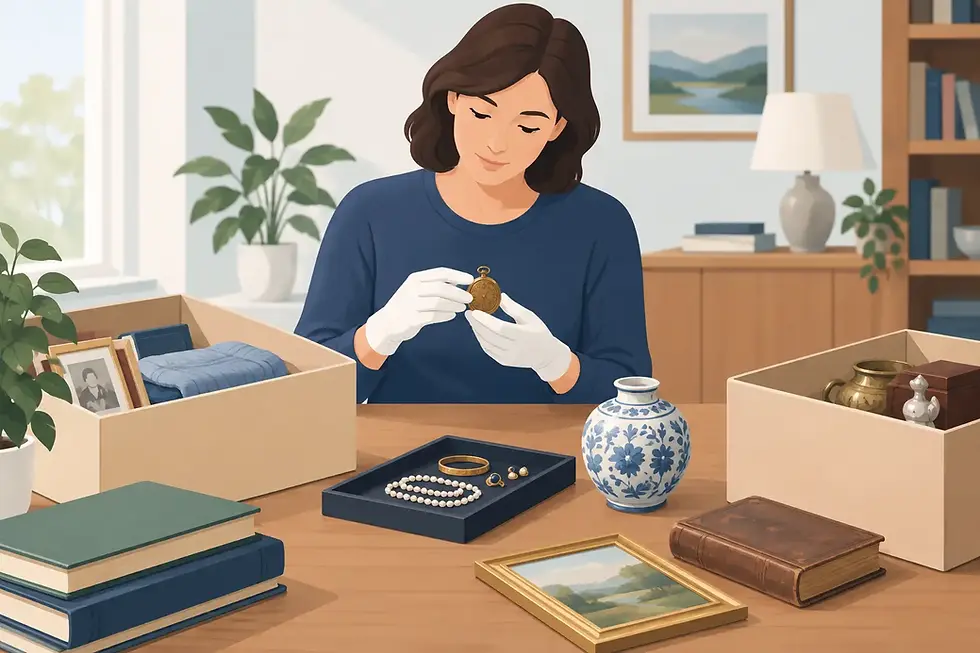
Gather items from jewellery boxes, bedside drawers, safes and storage boxes, including pieces you assume are not worth much. Keep pairs together where possible, and place loose stones, watches or small items in separate bags or envelopes so nothing is misplaced.
If you are dealing with a bereavement or clearing a family property, it can be easier to make decisions in stages. You might ask for an assessment first, then take time to discuss the results with relatives before deciding whether to sell. A no-pressure appointment should allow for that. The value of an heirloom is not always only financial, and there is no benefit in making a decision before you are ready.
It is also sensible to have identification available if you choose to proceed with a sale. Reputable buyers follow checks designed to protect customers and ensure transactions are properly documented.
Questions worth asking a buyer
A good valuation should make sense in plain language. You do not need specialist knowledge to ask how the offer was reached. If an item is valued for metal, ask about its purity, weight and the current market basis. If it is being bought as a complete piece, ask what makes it saleable in its own right.
You can also ask whether there are items the buyer would recommend keeping, obtaining a separate auction opinion on, or insuring. Not every object is best sold to the same type of buyer. An unusual antique, a high-value signed piece or a rare collectable may need a more specialised route. Straightforward advice is a sign that the assessment is focused on your interests, not simply on completing a purchase.
Before agreeing to sell, be clear about payment. Confirm whether payment will be made in cash within legal and company limits, by bank transfer, or through another secure method. Ask for a detailed invoice or receipt listing the items sold and the amount paid. Written records are useful for your own files, estate administration and family discussions.
Privacy, safety and your control
The main advantage of an in-home service is not only convenience. It is discretion. You do not have to take valuables on public transport, leave them with a shop counter or send them through the post. The inspection takes place where you feel comfortable and where your items remain visible.
That said, you should still choose carefully. Arrange an appointment with an established business, confirm who is attending and avoid agreeing to a visit from an unsolicited caller. Do not share detailed information about valuable items publicly. A professional buyer will respect your privacy and explain the process before the appointment begins.
With We Pay Best, eligible items are assessed in person with current market conditions in mind, and any offer is made without obligation. You can ask questions, compare your options and say no. The right time to sell is when the decision feels clear to you.
When selling may make sense
Selling can be practical when jewellery is unworn, broken beyond worthwhile repair, duplicated within an inheritance or no longer suited to your life. It can release funds for a move, a family expense, home improvements or simply reduce the burden of storing valuables you do not wish to keep.
But it depends on the item and your circumstances. A piece with strong family meaning may be better retained, redesigned or passed on. If several family members are involved, an agreed inventory and open conversation can prevent misunderstandings later. A valuation gives you information; it does not oblige you to turn that information into a sale.
The most useful outcome of a home appointment is often confidence. Once you know what you have, why it carries value and what a fair offer looks like, you can decide in your own time - with your belongings handled carefully and your choices respected.
Comments