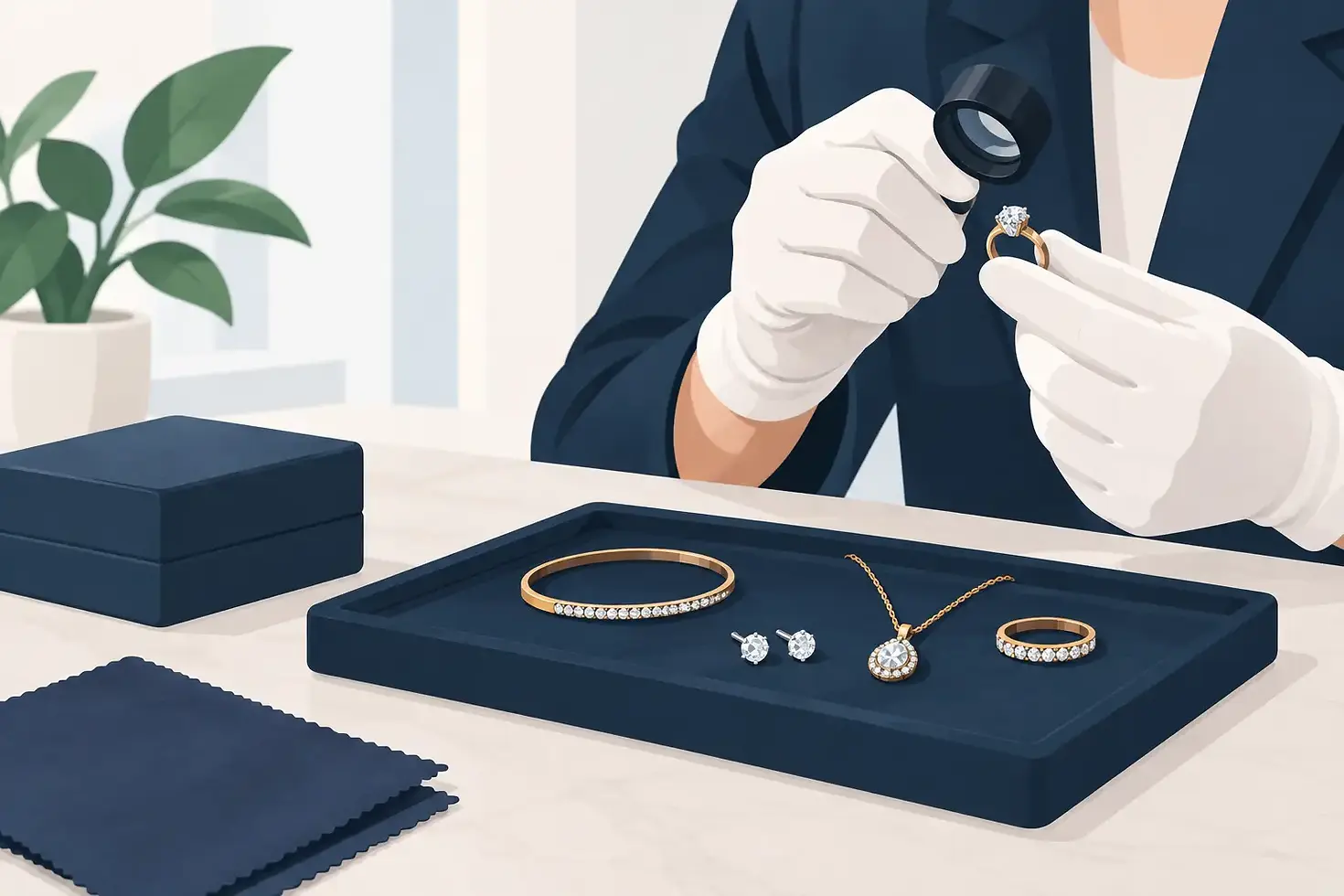
How to Prepare Jewellery for a Valuation

A jewellery valuation can begin with a small collection from a bedside drawer, a box found during a house clearance, or pieces inherited from someone close to you. To prepare jewellery for valuation well, you do not need specialist knowledge or an elaborate presentation. A little careful sorting helps the appointment run smoothly, protects delicate items and gives the buyer the clearest possible picture of what you have.
Most importantly, keep control of the process. A professional assessment should be calm, unhurried and explained in plain language, whether you are considering selling a broken gold chain, an unworn engagement ring or a family heirloom you are not yet ready to part with.
How to prepare jewellery for a valuation appointment
Start by gathering the pieces you would like assessed in one secure place. Include items that may not look valuable at first glance: single earrings, snapped chains, damaged rings, old-fashioned brooches and pieces with missing stones can still have value for their precious-metal content, design, gemstones or brand.
Place each item in a small pouch, envelope or compartment of a jewellery box where possible. This reduces tangling and helps prevent stones, clasps and fine links being damaged in transit around the home. If you have a mixed collection, there is no need to separate gold by carat or identify every hallmark yourself. A specialist can test and inspect the items properly.
It can help to make a simple note of anything you know about a piece. For example, you may remember that a ring was bought from a particular jeweller, that a watch was serviced recently or that a necklace belonged to a grandparent. These details do not automatically increase the price, but they can guide the inspection and ensure nothing is overlooked.
Keep sets and matching pieces together
A matching necklace and earrings, a bracelet with its original charm, or a ring and its fitted box may be more appealing together than as separate items. Keep complete sets in the same pouch and mention any matching pieces that may be stored elsewhere.
The same applies to luxury watches. Keep the watch, spare links, box, papers, service records and warranty card together if you have them. Original paperwork is useful, particularly for recognised luxury brands, although its absence does not necessarily mean the item has no resale value.
Do not over-clean valuable or delicate jewellery
Many people feel they should polish every item before a valuation. Gentle care is sensible, but vigorous cleaning can do more harm than good. Scrubbing can loosen settings, remove intentional surface finishes and damage softer materials.
For most gold, silver and platinum jewellery, a soft dry cloth is enough to remove loose dust and fingerprints. If a piece is clearly dirty and you are confident it is solid metal with secure stones, a brief wipe with a slightly damp cloth may be suitable. Dry it fully afterwards.
Avoid toothpaste, abrasive silver polish, harsh household cleaners and ultrasonic cleaning machines unless you know exactly what the item is made from. Pearls, opals, emeralds, turquoise, coral, enamel and antique jewellery can be particularly vulnerable. Older rings may also have settings that have weakened with age, even if they appear sound.
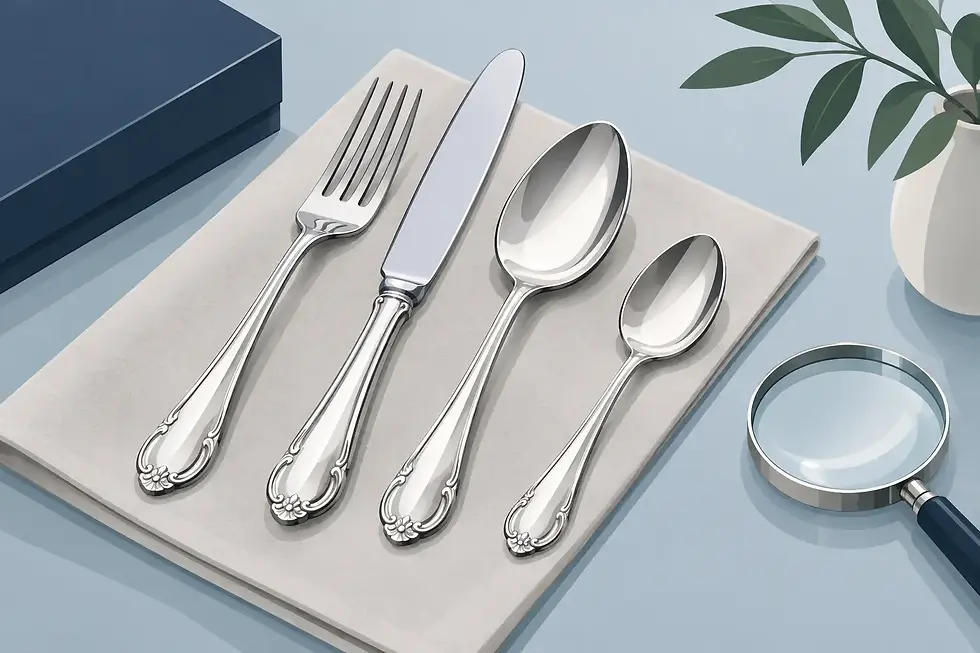
Tarnish on silverware or silver jewellery is not a reason to delay an assessment. A buyer can identify the metal beneath it. In some cases, leaving an antique piece in its existing condition is preferable to polishing away the aged finish that forms part of its character.
Gather paperwork, but do not worry if it is missing
If you have receipts, diamond certificates, jewellery valuations, insurance schedules, repair invoices or watch service documents, place them with the relevant item. They can help establish provenance, identify branded pieces and provide useful specifications such as diamond weight, metal purity or model reference.
Treat older paperwork as supporting information rather than a guaranteed price guide. A valuation prepared for insurance may show the cost of replacing an item new, which is usually different from the amount a buyer can offer for it today. Purchase offers are shaped by current precious-metal prices, stone quality, condition, desirability and the realistic resale market.
Do not be concerned if you have no papers at all. Hallmarks, construction, design and careful testing can reveal a great deal. It is better to bring an item without documents than leave it in a drawer because you assume it cannot be assessed.
Check for hallmarks, names and condition
Before the appointment, look briefly for markings inside a ring shank, on a clasp, behind a brooch or on the case of a watch. UK hallmarks may indicate gold, silver or platinum content, while maker's marks and brand names can be valuable clues. There is no need to photograph or research them extensively, but pointing them out can be helpful.
Also mention known repairs or faults. A loose clasp, resized ring, replaced stone or non-working watch does not rule out a sale. Honesty simply allows the buyer to assess the piece accurately from the start. If you suspect an item is plated rather than solid gold, include it anyway. Testing is the reliable way to find out.
For diamonds and coloured stones, avoid guessing at quality based on size alone. Two stones that look similar can differ significantly in cut, clarity, colour, treatment and demand. A clear explanation from the assessor is more useful than an online estimate based only on a photograph.
Prepare the room as well as the jewellery
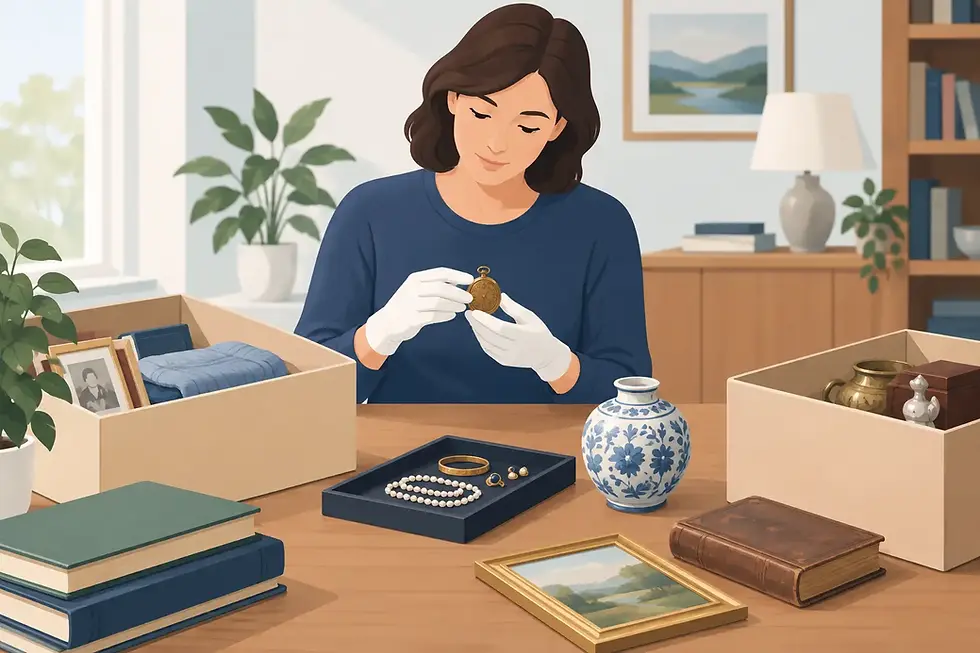
For a private home valuation, choose a table with good light and enough clear space for items to be laid out safely. Keep pets, drinks and household clutter away from the area if possible. This is not about creating a formal showroom. It simply makes it easier to inspect each piece carefully and keep your collection organised.
Have any boxes or documents nearby, but retain possession of your jewellery until the assessment begins. A professional buyer should handle items with care, explain what they are examining and answer questions directly. You should never feel rushed to accept an offer or pressured to sell something sentimental.
If several family members have an interest in the items, consider having them present or arranging a time when everyone can join the conversation. This can be especially helpful during probate or house-clearance situations, where clarity and written records matter. Ask for an itemised explanation or invoice for anything you decide to sell.
Know the difference between an assessment and a decision to sell
Preparing jewellery well also means preparing yourself for the possible outcomes. Some pieces may have strong value because of their metal weight. Others may command more because of their craftsmanship, age, gemstones, maker or luxury brand. A small amount of jewellery can be worth more than it appears, while a large decorative item may be worth mainly its material value.
You are entitled to ask how an offer has been reached. A clear answer should distinguish between precious-metal value and any additional value for diamonds, design, collectability or resale appeal. Prices can move with the market, particularly for gold, so an offer made on one day may not be identical a few weeks later.
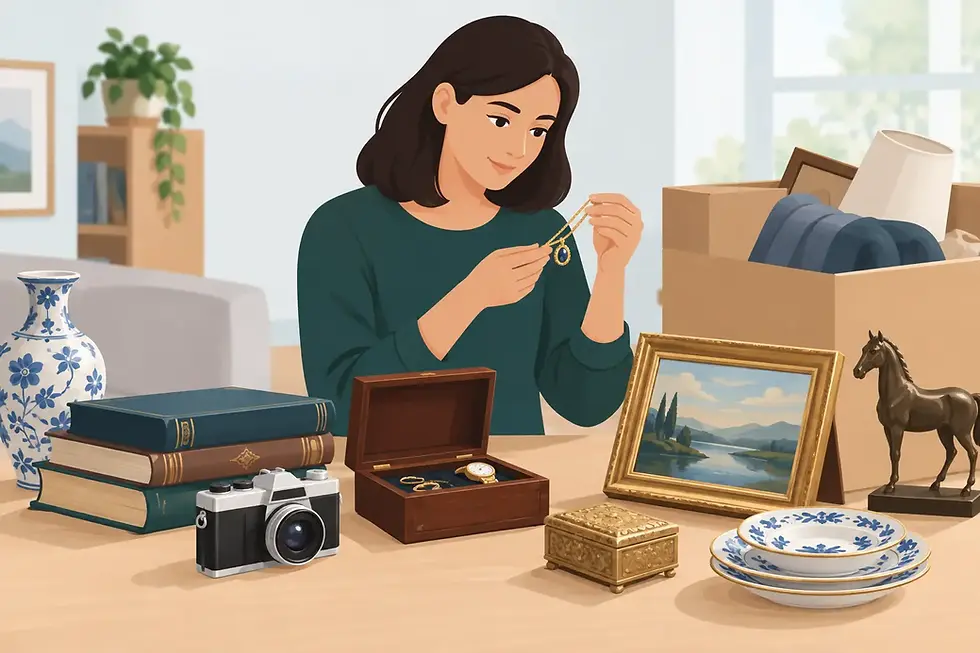
There is also no obligation to sell simply because an item has been assessed. Take the time you need, especially with inherited jewellery. Sometimes the most useful result of a valuation is understanding what you own and deciding which pieces are right to keep, share, remodel or sell.
When an in-home assessment is the right choice
An in-home appointment can be particularly reassuring if you have a substantial collection, valuable watches, silverware or items you would rather not carry through town. It also allows you to assess forgotten pieces as they are found, without packing everything into a bag or sending valuables through the post.
We Pay Best provides private, no-pressure assessments and explains offers against current market conditions. Whether you choose to sell is always your decision, and secure documented payment should follow only after you are happy to proceed.
Put the pieces aside, protect them from unnecessary cleaning and bring together whatever history you have. Then give yourself the space to hear a clear, fair assessment in your own time.
Comments