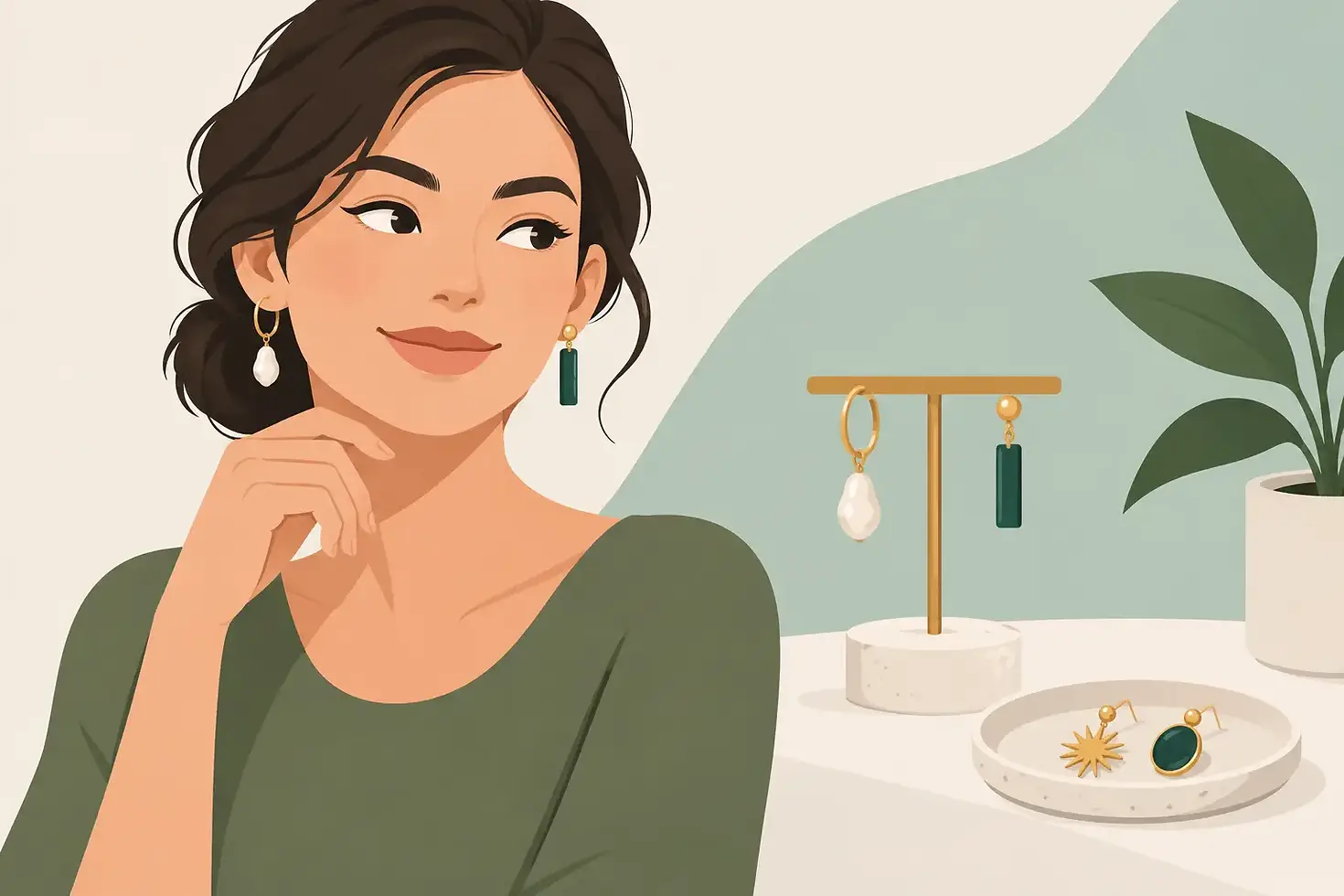
Can I Sell Mismatched Earrings? Yes, Often

A single earring in a jewellery box can feel like an unfinished story. Perhaps its partner was lost years ago, perhaps it appeared while sorting a family home, or perhaps it simply no longer suits your style. If you are asking, “can I sell mismatched earrings?”, the answer is often yes. A missing match does not automatically remove an earring’s value, particularly when it is made from precious metal, set with genuine stones or carries a sought-after maker’s mark.
What it may change is the way the item is valued. A complete pair can have additional appeal as wearable jewellery, while a single earring may be assessed primarily for its gold, silver, platinum, diamond or designer value. That distinction matters, but it does not mean the piece should be dismissed.
Can I Sell Mismatched Earrings for Scrap Value?
Many unmatched earrings are saleable because precious metal retains an underlying value regardless of whether the jewellery is complete. Gold earrings, for example, are commonly stamped with a purity mark such as 9ct, 14ct, 18ct or 22ct. Platinum, sterling silver and other precious metals may also bear hallmarks, although older pieces can be worn, unmarked or made outside the UK.
When an earring is being considered for its metal content, a specialist will look at its weight and purity, then relate this to the current precious-metal market. The fastening, post and butterfly can contribute to the total weight if they are made from the same metal, although some backs are base metal or have been replaced over time. This is why it is worth keeping every part together, including loose backs and any broken sections.
Scrap value is a practical route for a plain single stud, a bent hoop, a damaged drop earring or an item with no particular resale demand as jewellery. It can be a sensible choice when you are clearing a drawer of unwanted pieces and would rather understand their value than leave them unused.
The value will depend on more than size. A small 18ct gold stud may contain more valuable metal than a larger 9ct item. Equally, a lightweight hollow earring may look substantial but weigh less than expected. Clear testing and a plain-language explanation are more useful than assumptions based on appearance alone.
When One Earring Could Be Worth More Than Its Metal
Not every mismatched earring should be treated simply as scrap. A single piece may have resale value where it contains a diamond, a fine gemstone, a recognisable luxury signature or distinctive antique workmanship.
Diamond stud earrings are a good example. Even without their partner, a genuine diamond may have value according to its size, quality, cut and condition. The setting and metal add to the assessment. Small diamonds are commonly valued as part of the overall item, while larger or particularly fine stones deserve closer inspection.
Designer and luxury jewellery can also attract interest as a single item. An earring from a recognised house, especially one with clear signatures, original components or supporting packaging, may be desirable to collectors, jewellers seeking a replacement or buyers who favour intentionally mismatched styling. The market is not identical for every brand or design, so an honest appraisal should distinguish between proven demand and optimistic guesswork.
Antique earrings require the same care. A Victorian, Edwardian or Art Deco earring may be incomplete as a pair but still show craftsmanship, period detail or stones that give it value beyond weight. Alterations, repairs and missing fittings can affect the result, but age alone is not a reason to discard it.
What a Specialist Will Check
A proper assessment is not a quick glance at the front of the earring. It involves examining the piece carefully and deciding which elements genuinely contribute to its value. This normally includes the metal, hallmarks, total weight, stones, condition and any maker or brand identifiers.
If a stone is present, its setting needs attention too. Stones can be loose, chipped, treated or replaced, and some are difficult to identify accurately without close inspection. A professional buyer should explain what they can establish during the appointment and avoid making promises before the item has been tested.
Condition matters, although it is not always decisive. A damaged clasp may reduce the resale appeal of a complete earring, yet have little impact on the inherent value of its gold. Conversely, a pristine single designer earring can be more appealing than a worn, anonymous pair. The right valuation route depends on the individual piece.
You should also expect a clear distinction between an insurance valuation and a purchase offer. Insurance figures often reflect replacement costs, while a buyer’s offer reflects current metal prices, demand, condition, resale costs and the commercial risk of purchasing the item. They serve different purposes, so they should not be compared as if they are the same number.
Before You Sell a Single Earring
There is no need to polish an earring aggressively or attempt a repair before it is examined. Over-cleaning can damage delicate finishes, antique patina, enamel or settings. Keep it safe and bring it as found.
If you have the original box, receipt, certificate, spare back or any paperwork, keep it with the item. These details can help identify a designer piece or support the history of a diamond. They are helpful rather than essential. Many valuable earrings are found without paperwork, particularly in inherited jewellery collections.
It is also sensible to check the places where a missing partner may have been stored. Look through old jewellery boxes, travel cases, sewing tins and small containers before deciding to sell. A complete pair may have a different resale market, and reunifying the earrings can increase its appeal. Still, do not let the search delay you indefinitely if the single earring has sat unworn for years.
If you are sorting jewellery following a bereavement or house clearance, give yourself permission to take your time. There is no pressure to sell every item at once. An appraisal can help you separate pieces with financial value from costume jewellery and make an informed decision in your own time.
A Private, Straightforward Way to Sell
For many people, carrying jewellery around town or posting it away feels uncomfortable, especially when there are several items to assess. A private appointment allows your mismatched earrings and other unwanted valuables to be examined in the comfort of your home or office.
At We Pay Best, items are assessed carefully, with the reasoning behind any offer explained in plain language. The focus is on current market-based value, not pressure. If an earring is best valued for its metal, that should be clear. If a diamond, designer mark or antique feature could add value, that should be considered rather than overlooked.
You remain in control throughout. You can ask questions, compare the explanation with what you know about the piece, and decide whether the offer is right for you. If you choose to sell, payment is handled securely and documented. If you do not, there is no obligation to proceed.
Should You Sell It Alone or With Other Jewellery?
A single earring can be sold on its own, but it is often useful to have other unwanted jewellery assessed at the same time. Broken chains, odd cufflinks, spare rings, damaged bracelets and lone earrings are easy to overlook individually. Together, they can form a clearer picture of what is in the collection.
This does not mean every item should be sold. Pieces with sentimental importance may be worth keeping, remodelling or passing on. But knowing the likely value gives you a choice, particularly when clearing a property, moving home or simplifying a jewellery box.
That lone earring may never become part of a pair again, but it can still have a place in your plans. Set it aside with any related jewellery and arrange a careful valuation when you are ready. A clear assessment lets you decide its next chapter with confidence.
Comments