
Choosing a Private Jewellery Buyer Safely

A private jewellery buyer offers a calm alternative when you have gold, jewellery or heirlooms you no longer wish to keep. Rather than carrying valuable items through town, posting them away or accepting an offer over a counter, you can arrange a professional assessment at home or at your office, in your own time.
For many people, the decision to sell is not purely financial. A broken gold chain may have belonged to a parent. An inherited ring may not suit anyone in the family. A watch found during a house clearance may be valuable, but its history may be unclear. A good buyer understands that these are personal decisions and gives you the information needed to make them without pressure.
What a private jewellery buyer does
A private jewellery buyer assesses and purchases valuables directly from their owner. The appointment is usually arranged in advance and conducted discreetly, allowing the seller to see their items inspected, ask questions and decide whether an offer is right for them.
The strongest reason to choose this route is control. You are present throughout the assessment, your belongings remain with you until you accept an offer, and you can decline without obligation. This is particularly reassuring when you have several items to review, are dealing with an estate, or simply do not know what may be valuable.
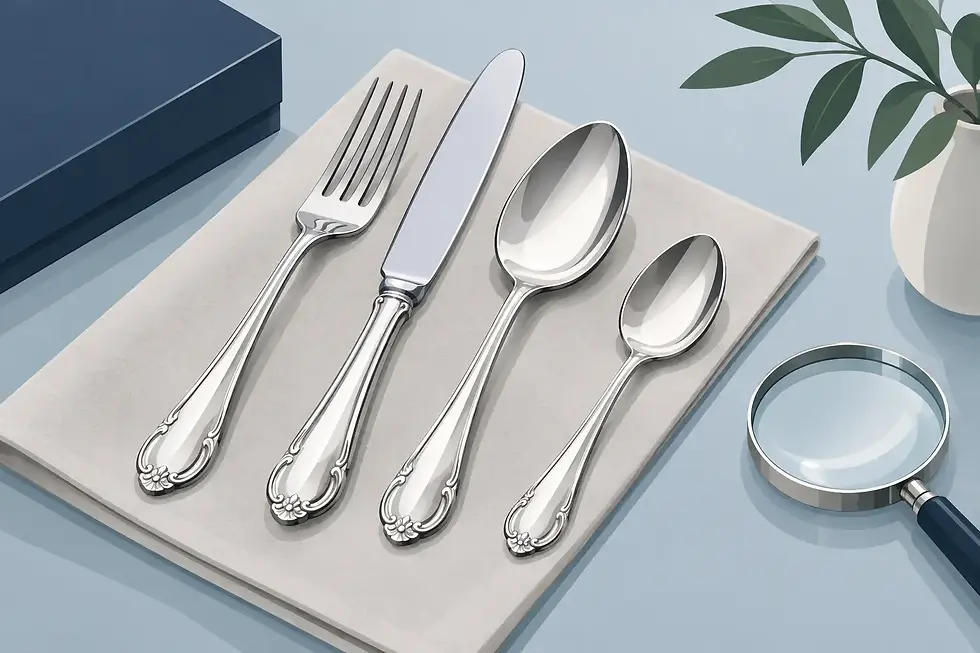
A specialist buyer may assess gold, silver, platinum, diamond jewellery, luxury watches, antique jewellery, silverware, coins and selected collectibles. Not every item will have the same kind of value. A plain gold ring may be valued chiefly for its weight and purity, while an antique brooch, signed piece of jewellery or sought-after watch may have collector or resale value beyond its metal content.
How jewellery values are worked out
Fair pricing starts with a careful inspection, not a quick glance. Precious-metal prices move regularly, so the value of gold, silver and platinum should be considered against the current market. The buyer will identify hallmarks where present, test metal where necessary, weigh qualifying items and explain the basis of the valuation in plain language.
For jewellery with diamonds or other gemstones, value depends on more than size. Condition, cut, colour, clarity, setting and the wider resale market can all affect what a buyer can offer. The same applies to watches: brand, model, age, working condition, original box and papers, and demand for that particular reference can each make a difference.
This means two pieces that appear similar may receive very different offers. A heavy 9ct gold bracelet and a lighter 18ct bracelet do not contain the same proportion of gold. A diamond ring may carry a sentimental retail value in the family, while its resale value is shaped by the stone, mounting and current demand. Honest advice recognises that difference respectfully.
It also helps to understand the distinction between an insurance valuation and a purchase offer. An insurance valuation reflects the estimated cost to replace an item at retail. A private buyer’s offer reflects what can reasonably be paid to acquire it in the current precious-metal or resale market. They serve different purposes, so comparing them directly can be misleading.
Why an appointment at home can make selling easier
Taking valuables to a high-street shop is not always practical, especially if you have a jewellery box, silverware, coins or a collection of watches to assess. Posting items can feel uncomfortable, and a quick counter transaction may leave little time for questions.
A private appointment removes much of that inconvenience. You choose a suitable time and can lay out items gradually, including pieces you may have dismissed as costume jewellery or scrap. Old earrings without their pair, damaged chains, single cufflinks and tangled necklaces can still contain precious metal. Equally, a specialist may spot a maker’s mark or antique feature that deserves closer consideration.
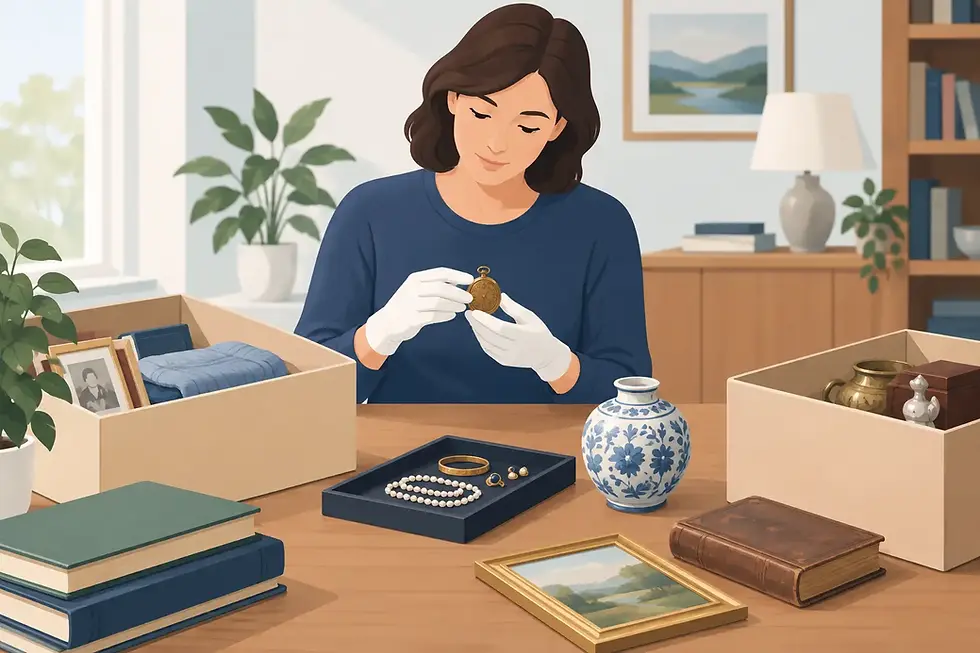
For families managing a probate property or house clearance, a home assessment can be especially useful. It allows relatives to review belongings together before anything leaves the property. There is no need to make a rushed decision while trying to organise removals, paperwork and other responsibilities.
Discretion matters too. A professional buyer should work by appointment, handle items carefully and keep the discussion private. You should never feel hurried because another customer is waiting, nor pressured to sell an item before you are ready.
What to expect from a private jewellery buyer
The process should be straightforward from the first conversation. When booking, describe the types of items you would like assessed, if known. You do not need to know carat weights, hallmarks or watch references. A simple description such as “old gold jewellery”, “a family silver set” or “a watch inherited from my uncle” is enough to begin.
At the appointment, the buyer will inspect each item and separate those that are suitable for an offer. Ask them to explain what they are looking for. You may wish to know the metal purity, the weight, whether stones affect the price, or why one item has greater value than another. Clear answers are a sign of a professional service.
Once an offer is made, take the time you need. You can sell selected pieces and keep others. You can ask for an item to be set aside while you consider it. You can decline the offer altogether. A no-obligation valuation only has value if the choice remains yours.
If you decide to sell, the transaction should be recorded clearly. Expect written documentation showing the items purchased and the agreed amount. Payment should be secure and explained before you proceed, whether that is cash within applicable payment limits or a bank transfer. Check the details carefully and retain your paperwork.
Questions worth asking before you sell
A reputable buyer will welcome sensible questions. Ask how the offer has been calculated and whether it reflects current gold, silver or platinum prices. If an item has diamonds, a recognised maker or an apparent antique quality, ask whether those features have been considered separately rather than treating everything as scrap.
It is also reasonable to ask what identification and records are required. Professional buyers follow procedures designed to protect both parties. These checks should be handled clearly and respectfully, not presented as a surprise at the end of an appointment.
Finally, ask about timing. If you are comparing offers, settling an estate or waiting for family agreement, say so. The right buyer will understand that not every valuable needs to be sold on the same day.
Preparing jewellery without putting it at risk
There is no need to polish antique jewellery aggressively or attempt repairs before an assessment. Harsh cleaning can damage delicate settings, remove desirable patina from silver, or affect an item’s condition. Place jewellery in small pouches, envelopes or separate compartments where possible, particularly earrings, loose stones and fine chains.
If you have boxes, certificates, receipts, service papers or watch documents, keep them together with the relevant item. They may not always be essential, but they can help establish provenance and may affect resale interest. Do not worry if paperwork has been lost. Many valuable items are inherited without it.
Before an appointment, take a few quiet minutes to decide whether any pieces are definitely not for sale. Put them aside. This simple step can make the assessment feel more comfortable, particularly when a collection includes sentimental jewellery alongside unwanted items.
A considered way to turn unwanted valuables into funds
Choosing a private jewellery buyer is not about being persuaded to part with family possessions. It is about having an informed, private opportunity to understand what you own and what it may be worth. We Pay Best approaches each appointment with that principle in mind: careful handling, current market knowledge and no pressure to proceed.
Whether you are clearing a drawer, preparing a move or dealing with an inherited collection, allow yourself time to ask questions and consider each offer. The best decision is the one you can make calmly, with clear information and your valuables handled with the care they deserve.
Comments