
What to Do With Inherited Jewellery After a Loss

A small box of rings, a watch in a bedside drawer, a string of pearls wrapped in tissue paper - inherited jewellery often arrives at a difficult time. If you are wondering what to do with inherited jewellery, there is no need to decide straight away. Give yourself time, keep everything together and make choices when you feel ready.
Some pieces will carry a clear family story. Others may be beautiful but not your style, broken, duplicated or simply unknown. Their sentimental value and financial value are not always the same, and both deserve proper consideration.
Start by sorting, not selling
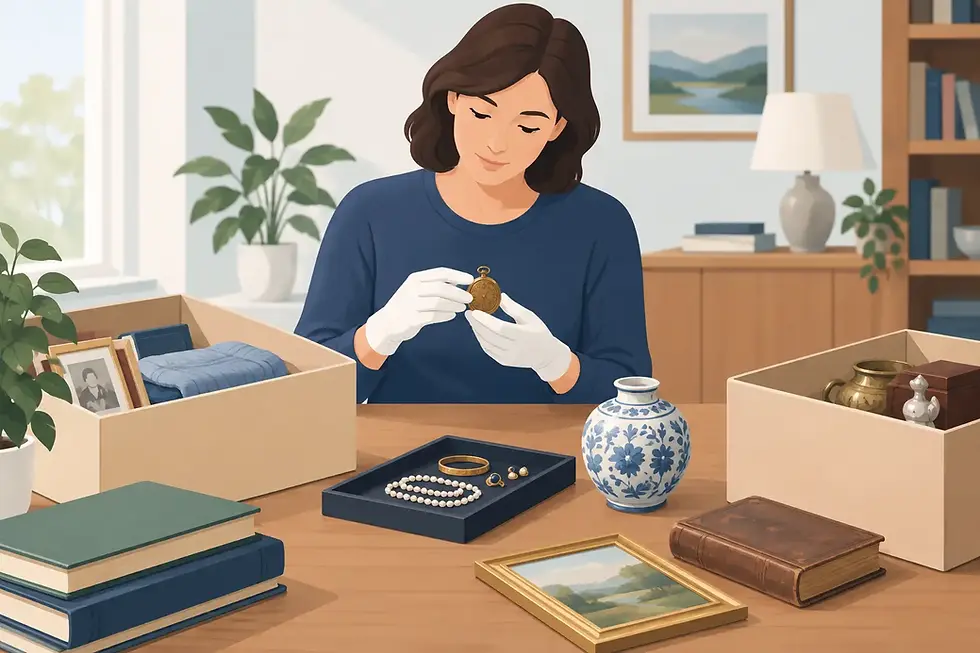
Before giving anything away, taking it to a jeweller or accepting an offer, gather the jewellery in one secure place. Keep rings, chains, earrings, watches and loose stones with any boxes, receipts, certificates, warranties or old valuation documents you can find. Even a faded note identifying a relative can add useful context.
Photograph each item individually, including any hallmarks, maker's marks, serial numbers and inscriptions. A simple record can prevent disagreement later, especially where several family members are involved. It also means you have a reference if an item needs to be insured, repaired or professionally assessed.
Avoid cleaning pieces too aggressively. Toothpaste, harsh chemicals and home polishing methods can damage antique finishes, loosen stones or reduce the appeal of older jewellery. Silver can be gently stored in a dry place, while gold and gemstone jewellery is best kept separately to avoid scratching. If an item looks fragile, leave it as it is until a specialist has examined it.
Decide what matters to you and your family
Inherited jewellery can be divided into three broad groups: items you would like to wear or preserve, items another family member may value more, and items you are comfortable selling. This is rarely a purely financial decision.
A signet ring may not be fashionable, but its engraving could make it a meaningful keepsake. A gold chain might have no personal connection, yet still have substantial value because of its weight and purity. A diamond ring could be both emotionally significant and suitable for remodelling into something you will wear. There is no correct answer, only an informed choice that feels right for you.
Where an estate is being handled by more than one person, agree a process before anything is sold. It may help to circulate photographs, invite relatives to choose personal mementos first, and keep a written note of what has been allocated. This can avoid unnecessary upset later.
Keeping or remodelling a family piece
Keeping a piece does not mean it has to remain unworn in a drawer. A jeweller may be able to resize a ring, shorten a chain or reset a stone into a design you would use. Remodelling can be a lovely option where the stones or precious metal are meaningful, but the original style is not.
That said, seek advice before altering antique or signed jewellery. An original Art Deco brooch, a recognised maker's piece or a period ring can be worth more intact than as separate materials. A careful valuation helps you understand what you would be giving up before making permanent changes.
Find out what you have before setting a price
Jewellery values vary widely. A piece that appears modest may be solid 18-carat gold, while a large-looking item may be gold plated and worth considerably less. Hallmarks offer useful clues, but they are not the full story.
A professional inspection looks at the metal, purity, weight, craftsmanship, condition, gemstones, age and potential resale demand. Gold, silver and platinum are influenced by current precious-metal prices. Diamonds are assessed according to factors such as size, cut, colour, clarity and certification. Branded jewellery, antique pieces and luxury watches may command value beyond their material content if they are genuine, desirable and in good condition.
Old valuations should be treated with care. Insurance valuations are usually based on the likely retail replacement cost, not the amount you would receive from a buyer. A valuation from several years ago may also bear little relation to current gold prices or the present market for a particular designer.
For a clear picture, ask the person assessing your items to explain their findings in plain language. You should understand whether an offer reflects scrap metal value, gemstone value, collector interest or a combination of these. If anything is unclear, ask. A reputable buyer will not rush you into a decision.
How to sell inherited jewellery safely and fairly
Selling can be a sensible choice when pieces are unwanted, an estate needs to be settled, or the proceeds would be more useful to the family. It can also remove the worry of storing valuables you do not intend to wear. Selling does not mean you valued the person who owned them any less.
The route you choose affects both convenience and confidence. Postal gold-buying services can feel impersonal and require you to send valuable belongings away before a final offer is confirmed. Pawnbrokers may be useful in some circumstances, but they are not always suited to a considered sale of a mixed jewellery collection. Selling privately can bring its own security concerns, particularly with watches, diamonds and higher-value items.
For many households, a private appointment at home offers a calmer alternative. You can have your items assessed where they have been stored, without travelling through London or carrying a collection of valuables. You remain present throughout the inspection, can ask questions as each piece is examined and have time to consider any offer with no pressure.
A straightforward process should include a clear explanation of value, an itemised record of what is being purchased and secure payment. Check how and when payment will be made, particularly for larger amounts where bank transfer may be appropriate. Keep all paperwork for estate records and your own peace of mind.
Items that are often overlooked
Do not assume only diamond rings or obvious gold chains are worth examining. Valuable items are regularly found among everyday possessions during a house clearance. These can include:
Broken gold jewellery, single earrings and tangled chains
Older watches, pocket watches and watch straps with precious-metal fittings
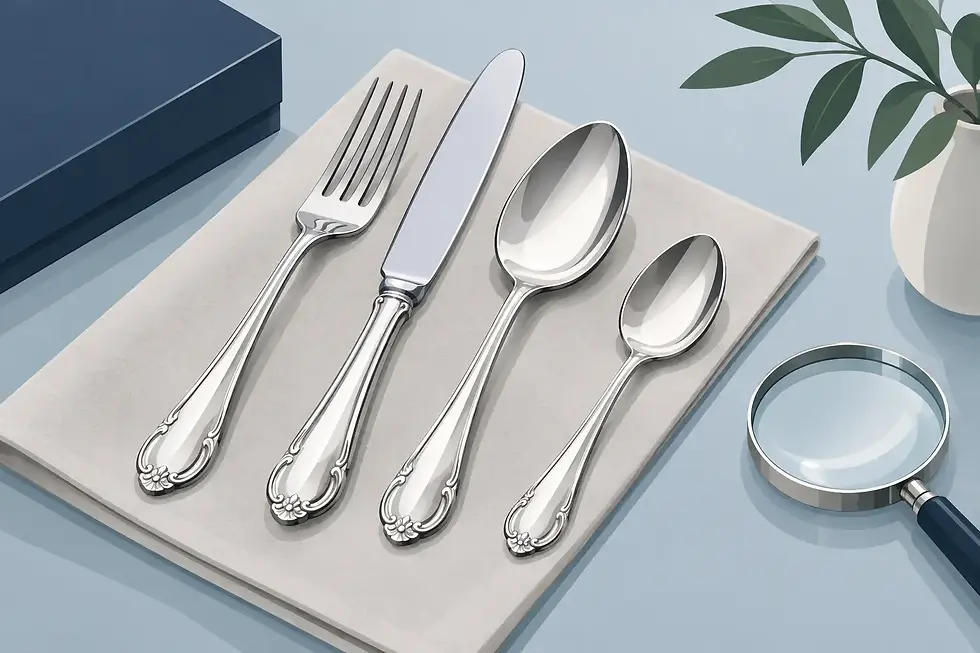
Silver jewellery, cigarette cases, dress sets and small silverware
Antique brooches, mourning jewellery and pieces with maker's marks
Jewellery boxes containing loose stones, charms, coins or foreign gold
A mixed collection is worth looking at as a whole. One item may be unsuitable for purchase, while another has significant value that was not immediately obvious.
Questions to ask at a valuation appointment
You do not need specialist knowledge to arrange an assessment, but a few direct questions can make the experience more useful. Ask how the metal has been tested, what carat or fineness has been identified, and whether stones or brand value have been considered separately. If a piece is being valued chiefly for its gold or platinum content, ask for its weight and the price basis being used.
It is also reasonable to ask whether an item might be better sold through a specialist auction route, kept intact or repaired before sale. An honest professional will explain the trade-offs rather than treating every object as scrap. They should handle personal items carefully, respect that you may need to consult family, and leave you free to decline an offer.
Give yourself permission to choose later
The best decision is sometimes to do nothing for a while. Place the jewellery safely in a locked drawer or home safe, update your insurance if necessary, and return to it when the immediate work of bereavement or clearing a property has eased.
When you are ready, an in-home assessment from a specialist buyer such as We Pay Best can give you the facts without taking control away from you. Whether you keep one treasured ring, share pieces among relatives or sell a collection, you can make the decision in your own time, with a clear understanding of what each item represents.
Comments