
Gold Buyers: How to Sell With Confidence

A gold chain in a bedside drawer, a broken bracelet kept ‘just in case’, or a ring inherited from a relative can be worth more than many people expect. Yet deciding to sell is rarely only about the price. When comparing gold buyers, you need to know that your belongings will be handled carefully, valued properly and bought without pressure.
For some people, selling unwanted gold is a practical way to release money tied up in items they no longer wear. For others, it is part of clearing a family home, sorting an estate or preparing to move. Whatever brings you to that decision, a professional valuation should leave you informed and in control.
What Gold Buyers Should Assess
Gold is not valued simply by how large an item looks. A substantial piece may be hollow, plated or set with stones, while a small, solid piece can carry significant value. A careful buyer starts by establishing exactly what is in front of them.
The first consideration is purity. Gold jewellery is commonly marked with a hallmark showing its fineness, such as 9ct, 14ct, 18ct or 22ct. These marks are useful, but they are not the whole story. Older jewellery may have worn marks, imported pieces may use different conventions, and repairs can mean that parts of an item are made from different metals. Professional testing and close inspection provide a more reliable basis for an offer.
Weight matters too, but it should be the weight of the precious metal rather than an unexplained figure. Clasps, pins, non-gold fittings and stones can affect the calculation. You should be able to ask how the weight has been assessed and receive a plain-language explanation.
Finally, the current gold price has a direct effect on what an item may be worth. Precious-metal markets move daily. A fair offer reflects the relevant market price on the day, the purity and weight of the gold, and the costs involved in refining or resale. There is no single fixed price that applies to every piece of jewellery.
When Jewellery Is Worth More Than Its Gold Content
Not every gold item should be treated as scrap. A signed necklace, a fine antique brooch, a designer bracelet or a quality diamond ring may have value beyond the metal it contains. The same can be true of period jewellery, unusual craftsmanship and pieces from recognised makers.
This is where experience makes a real difference. A specialist should examine hallmarks, construction, condition, provenance where available, gemstones and any maker’s signature before deciding whether the item has resale value. Selling a collectible piece purely by weight may be quick, but it can mean overlooking its wider market appeal.
The question is not whether every old item is an antique. Most are not. Rather, it is whether the buyer has taken the time to distinguish an ordinary broken chain from a piece that deserves a more considered valuation. If you are unsure, keep boxes, certificates, receipts and any family notes together with the item. They may not always change the price, but they can provide useful context.
What Reputable Gold Buyers Explain Clearly
A sale of valuable belongings should not feel rushed or mysterious. Before you accept an offer, you should understand what has been tested, what the buyer believes the item is made of and why they have reached the figure offered.
Ask whether the offer is based on a current market rate and whether stones, diamonds or branded features have been considered separately. A transparent buyer will not object to sensible questions. They should also be clear about the form of payment, when it will be made and what written record you will receive.
A detailed invoice is particularly helpful when selling several items. It gives you a record of the transaction and can make an emotional or complicated clear-out feel more organised. Where payment is made by bank transfer, the details should be checked carefully before the transaction is completed. If cash payment is available within applicable limits, this should also be explained clearly in advance.
Be cautious of offers made before an item has been properly inspected, or of statements designed to create urgency. Phrases such as ‘today only’ or ‘you will not get this elsewhere’ are not a substitute for evidence. Market prices do change, but you are still entitled to take a moment, ask questions and decide in your own time.
A Private Valuation Can Make Selling Simpler
Taking jewellery around the high street or sending it through the post does not suit everyone. There may be security concerns, limited mobility, a busy household, or simply a wish to keep a private matter private. A professional appointment at your home or office can remove much of that inconvenience.
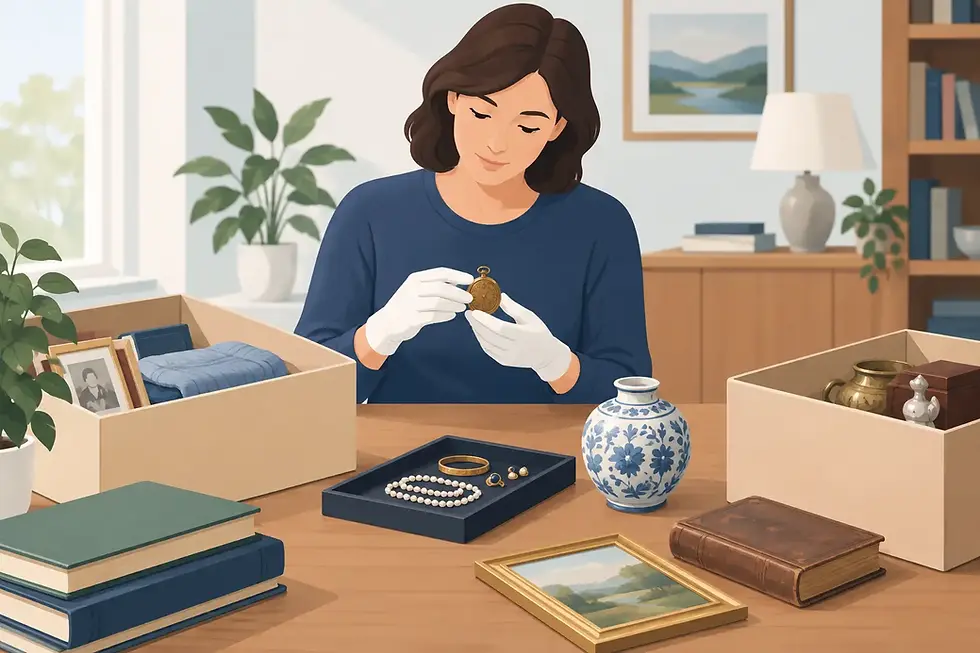
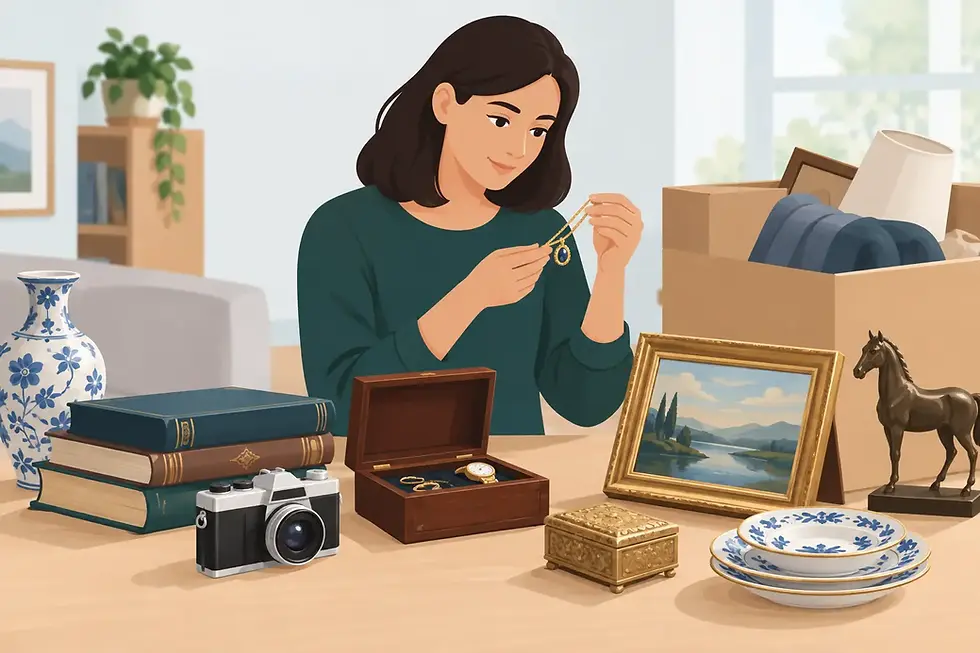
At a private valuation, you can lay out the items you are considering in a familiar setting. This is useful when you have a mixture of gold jewellery, silverware, watches, coins, diamonds or inherited antiques. An experienced buyer can sort through the collection methodically, identify what may hold value and explain each assessment as they go.
You do not need to polish jewellery or know every hallmark beforehand. In fact, aggressive cleaning can damage antique finishes, delicate settings or watch components. Place smaller items in separate envelopes or bags if that helps you keep track of them, and gather any paperwork you can find. Beyond that, the inspection should do the work.
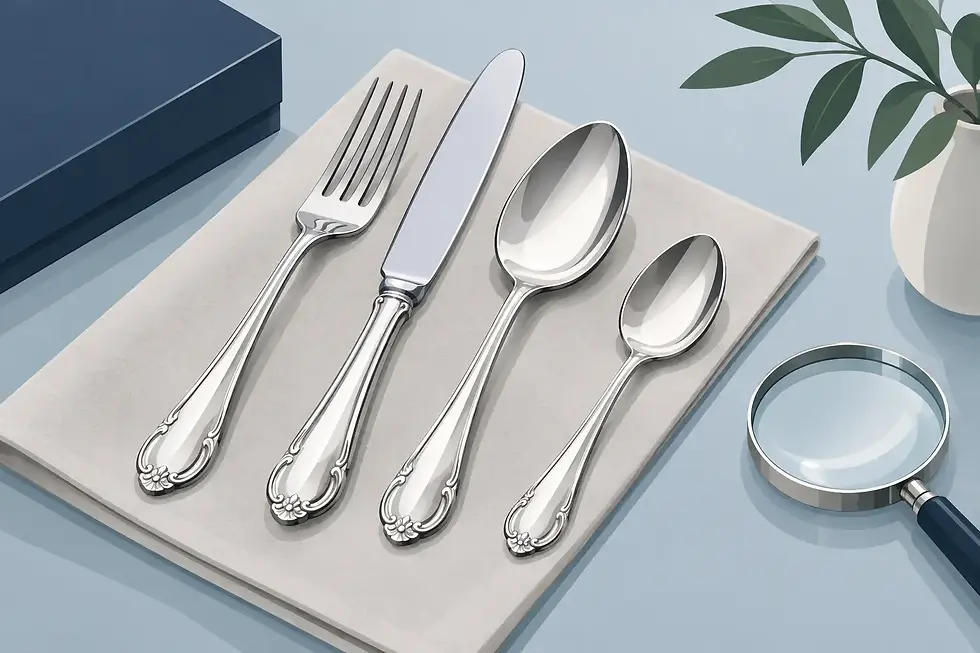
A no-obligation appointment is especially valuable when sentiment is involved. You may decide that some pieces are not for sale after all. That is entirely reasonable. A respectful buyer understands that a wedding ring, a parent’s watch or a family silver service may need more thought than an unwanted chain. The purpose of a valuation is to give you the facts, not to force a decision.
Preparing for a Gold Valuation
It helps to separate items you definitely wish to sell from those you only want assessed. If jewellery belongs to an estate or is jointly owned, make sure the person arranging the sale has authority to do so. This avoids difficulties later and keeps the process straightforward.
Bring together any relevant documents, including valuation papers, receipts, diamond certificates, service records for watches and original presentation boxes. Do not worry if these are missing. Many valuable items have been passed down without paperwork, but available documentation can support identification and resale value.
It is also sensible to make a simple inventory before the appointment, particularly for a larger house clearance. A few notes and photographs can help you feel confident that every item has been discussed. If you have a figure in mind, treat it as a starting point rather than a rule. The market evidence and the item’s individual characteristics should guide the final offer.
The Difference Between an Offer and a Decision
An offer is information. It tells you what a buyer is prepared to pay based on their assessment and the market at that point. It does not require you to sell immediately.
You may choose to accept because the offer is fair, the process is convenient and the item no longer has a place in your life. You may choose to keep it, seek another opinion or wait until other family members have been consulted. All are valid outcomes.
We Pay Best approaches private valuations with that distinction in mind: careful inspection, a clear explanation and no pressure to proceed. The right time to sell is when you understand the value, feel comfortable with the process and know that the decision remains yours.
Comments