
7 Pawnbroker Alternatives Worth Considering

A pawn shop can seem like the quickest answer when you have unwanted jewellery, a watch or inherited silver to deal with. Yet pawnbroker alternatives often give you more time, more privacy and a clearer understanding of what an item may be worth before you part with it. That can matter greatly when the item has been sitting in a drawer for years, came from a family estate, or carries memories as well as monetary value.
Pawnbroking has a particular purpose: it provides a loan secured against an item, with interest and charges to consider, and the option to reclaim the item if the loan is repaid on time. It may suit someone who needs short-term funds and is confident they want their item back. But if you have already decided to sell, or would prefer a calmer and more personal process, there are other routes worth considering.
Why look beyond a pawnbroker?
The main question is not simply, “Where can I get cash quickly?” It is, “What do I own, what is it worth in the current market, and which selling route gives me the most confidence?” A gold chain may be valued principally for its weight and purity, while a signed ring, a diamond, a vintage watch or an antique silver piece may have value beyond its raw materials.
At a pawnbroker, the focus is commonly on the loan value and the risk attached to lending. That is different from a direct purchase, where a specialist buyer assesses whether they wish to buy the item outright. Neither route is automatically right or wrong, but it is sensible to understand the distinction before making a decision.
You may also prefer not to carry valuable belongings through a busy high street, wait at a counter, or discuss private financial matters in public. For many homeowners, families handling probate or people clearing a property, discretion and convenience are every bit as important as speed.
Pawnbroker alternatives for valuable belongings
1. A private, in-home valuation and direct sale
For jewellery, precious metals, watches, silverware, coins and selected antiques, a private appointment can be a simple, safe way to sell. A specialist comes to your home or office, examines the items carefully and explains the offer in plain language. You remain in control throughout: there is no obligation to accept, and you do not need to take valuables anywhere before you know whether selling feels right.
A proper assessment should consider the hallmarks, metal purity, weight, condition, gemstones, maker, age and resale demand where relevant. With gold, silver and platinum, current precious-metal prices will be a key part of the calculation. For luxury watches, diamonds and antique jewellery, brand, provenance, condition and market demand can also make a material difference.
This approach is particularly useful when you have several items to review. A box of mixed jewellery, for example, may contain broken gold that is valued by weight alongside a diamond ring, an old pocket watch or a piece of signed jewellery that deserves separate attention. We Pay Best provides private valuations in your own surroundings, with a clear offer and documented payment if you choose to proceed.
2. Sell gold or jewellery to a specialist buyer
A specialist buyer can be a good option when the items are unwanted rather than temporarily pledged. This may include single earrings, damaged chains, unworn rings, dental gold, scrap gold and inherited pieces that no longer fit your life.
The key is transparency. Ask how the offer has been reached and whether the buyer has tested the metal rather than relying only on a visible hallmark. A professional inspection may include checking purity, weighing each category of metal separately and identifying stones or design features that should not be treated as scrap.
Do not assume that an item is worthless because it is broken, unfashionable or missing part of a pair. Equally, do not assume an ornate piece will always command a large premium over its metal value. The fairest outcome comes from an assessment that recognises what is there, without overstating what the market is likely to pay.
3. Use a specialist auction for rare or collectible pieces
An auction may be appropriate for an exceptional antique, a rare coin, fine art, a highly sought-after watch or jewellery with strong provenance. The potential advantage is access to collectors who may compete for an item. The trade-off is time, uncertainty and cost.
Auction houses usually charge seller’s commission and may recommend photography, insurance, transport or a reserve price. The eventual hammer price is not guaranteed, and payment can take longer than a direct sale. This route can make sense if rarity is central to the value and you are prepared to wait for the right sale. It is less suitable when you need a straightforward outcome promptly or when the item is primarily valued for its metal content.
4. Sell a luxury watch through a watch specialist
Luxury watches should rarely be treated like ordinary jewellery. The make, model, reference number, movement, dial, condition, service history, original box and papers can all affect the price. A watch specialist may offer more informed pricing than a general buyer, especially for recognised Swiss brands and collectible vintage models.
Before selling, gather any documentation you have, but do not worry if the box or papers are no longer available. Their absence can affect value, yet the watch may still be very saleable. Avoid polishing, opening or attempting repairs yourself. Original condition is often preferable, and an unnecessary intervention can reduce collector interest.
5. Consider a jeweller for wearable pieces
Some independent jewellers buy pre-owned jewellery, particularly pieces they can resell after cleaning, resizing or minor repair. This can be worth exploring for attractive modern jewellery in good condition. A jeweller may see value in a design that a scrap buyer would not wish to take on.
However, not every jeweller buys second-hand items, and offers can vary depending on their own stock needs. If a piece contains substantial gold or gemstones, it is still wise to understand its underlying material value before accepting an offer based only on appearance.
6. Sell privately, with care
Private selling through local listings or collector communities can sometimes produce a higher price, particularly for distinctive antiques or branded goods. It also places more responsibility on you. You will need to photograph the item, write an accurate description, manage enquiries, negotiate, arrange secure payment and meet strangers or post a valuable object.
For lower-value items, that effort may be reasonable. For diamonds, fine jewellery, luxury watches or anything emotionally significant, many people decide that the risks and inconvenience outweigh a possible increase in price. A professional buyer offers less opportunity for a bidding war, but often provides certainty, security and a clear completion process.
7. Keep the item and seek an independent appraisal
Selling is not always the best immediate decision. If you are unsure whether a family ring should stay in the family, or if an estate contains objects you do not yet understand, an independent valuation can give you time and perspective. There is a difference between an appraisal for insurance, probate or division of an estate and an offer to buy, so be clear about which service you need.
If you are not ready, you should never feel pushed. A respectful buyer will allow you to think, discuss matters with family or keep the item. A no-pressure assessment is valuable partly because it helps you make an informed choice, even if that choice is to do nothing for now.
How to compare pawnbroker alternatives fairly
When comparing offers, try to compare like with like. One buyer may be quoting a loan amount, another a direct purchase price, and an auction house an estimate before charges. These are not equivalent figures.
Ask whether the item has been tested and weighed, whether gemstones or brand value have been considered, and when payment will be made. For a direct sale, request a written record describing the items and the agreed amount. Secure payment and a clear invoice give both parties a useful record.
It also helps to separate your practical needs from the item’s sentimental history. You may want a fair market-based offer, but you may also need someone to handle a late parent’s belongings with patience and care. Those expectations are reasonable. The best route is one that respects both.
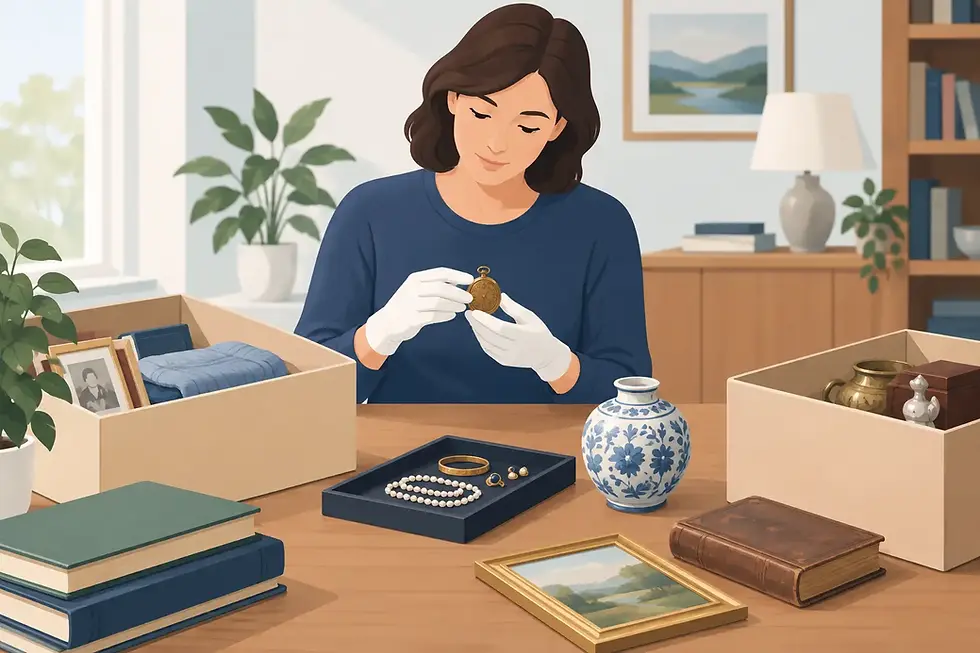
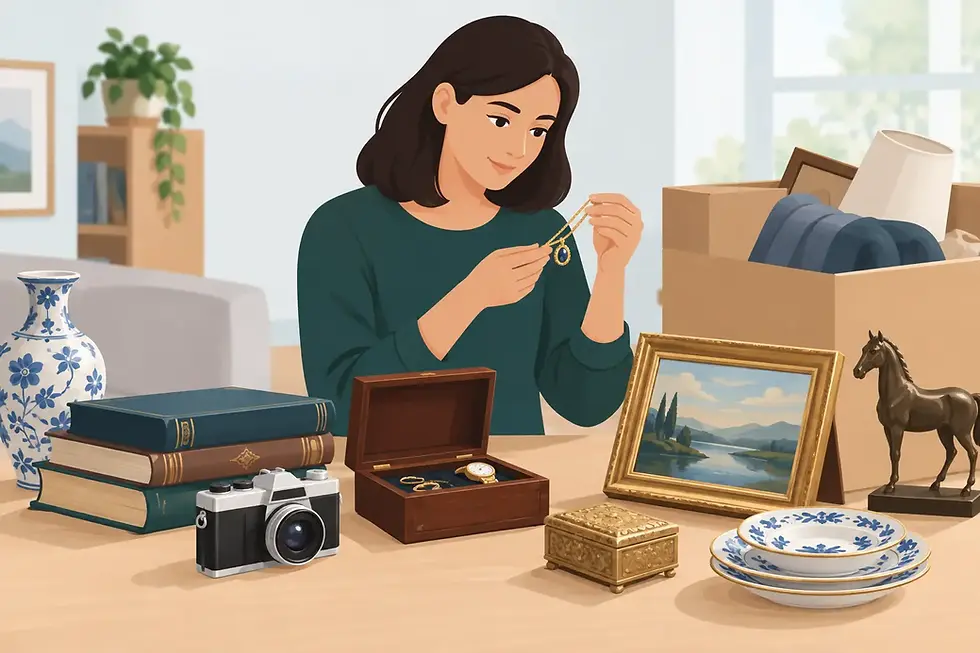
Before you sell, place everything you are considering on a table, gather any boxes, receipts or certificates you can find, and give yourself permission to ask questions. A careful valuation should leave you clearer about your options, not rushed into a decision you may later regret.

Comments