
How to Sell Inherited Watches With Confidence

A watch can be one of the smallest items in an estate, yet one of the hardest to deal with. Perhaps it belonged to a parent or grandparent, has sat unworn in a drawer for years, or was found while clearing a family home. If you are considering whether to sell inherited watches, it helps to separate sentimental value from market value - without dismissing either.
The right decision is not always to sell. But when a watch will not be worn, is costly to insure or repair, or needs to be divided fairly between family members, a private professional valuation can give you a clear basis for deciding in your own time.
Before You Sell Inherited Watches, Take a Closer Look
Do not polish, repair or open an inherited watch before it has been examined. A quick clean with a soft, dry cloth is enough. Aggressive polishing can remove original finishing, while an unsuitable repair can affect both condition and value. Even a watch that does not run may be worth assessing, particularly if it is a recognised luxury make, an older mechanical piece, or has a precious-metal case or bracelet.
Set aside anything that came with it. The original box, warranty card, receipts, service papers, spare links, straps and even an old handwritten note can be useful. They do not guarantee a higher price, but they can support provenance and make it easier to identify the exact model and history.
If several relatives are involved, it is sensible to agree that the watch should be valued before anyone takes it away or makes a decision. A written valuation discussion gives everyone the same information and can prevent an awkward disagreement later.
Details Worth Noting
You do not need to know the model reference or movement type. However, noting the name on the dial, any numbers engraved on the case, the material of the bracelet and whether it is working will help an initial conversation. Take clear photographs of the front, back, clasp and paperwork if you have it, but avoid posting serial numbers publicly.
A watch marked Rolex, Omega, Cartier, Patek Philippe, Breitling, TAG Heuer or another established maker may warrant particular attention. That said, an unfamiliar name should not be written off. Some vintage watches, pocket watches and gold-cased dress watches have value because of their materials, age, rarity or collectable appeal rather than a widely known brand.
What Determines the Value of an Inherited Watch?
There is no reliable value based on appearance alone. A gold watch can look modest but have significant precious-metal value. Conversely, a watch with a famous name may have limited resale appeal if it is heavily damaged, incomplete or not authentic. A proper assessment considers the whole item rather than one detail.
Brand and model matter, especially for modern luxury watches with a strong secondary market. Demand changes over time, so a specialist should consider current resale prices rather than relying on an old insurance figure or an online asking price. Asking prices are not the same as completed sale prices, and they often ignore dealer costs, authentication, servicing and the time involved in finding a buyer.
Condition matters too. Scratches, dents, stretched bracelets, moisture damage, replacement dials and missing components can all affect desirability. Originality is often important with vintage pieces, which is why an apparently tidy refurbishment is not always an advantage.
The materials also have a bearing. Solid gold, platinum and certain silver cases or bracelets have an underlying metal value that changes with current market prices. Hallmarks can be useful, but many watches are unhallmarked, imported or made from plated metal. A meticulous inspection is needed to establish what is actually present.
Finally, provenance and completeness can influence the offer. A watch with its box, papers, service history and original bracelet may be more straightforward to resell than the same watch alone. However, do not assume missing paperwork makes a watch unsellable. It simply means authentication and inspection become more important.
A Private Valuation Gives You More Control
It is understandable to feel cautious about taking a valuable inherited watch into a shop, posting it away, or meeting an unknown buyer. A private appointment at your home or office offers a calmer alternative. You remain with your belongings throughout, can ask questions as the watch is examined, and are not required to accept an offer.
At We Pay Best, assessments are carried out discreetly and explained in plain language. The watch is examined for its maker, model, condition, materials, markings and resale potential, with current precious-metal and luxury resale markets taken into account. If there are several items from an estate, such as jewellery, silverware, coins or other watches, they can be assessed at the same appointment.
A good valuation should never be a rushed guess. You should understand what is driving the offer, whether that is the watch's brand, collectability, gold content, condition or a combination of factors. If an item has little resale value but personal meaning, you may decide to keep it. That is still a useful outcome.
Questions to Ask Before Accepting an Offer
The simplest way to feel comfortable about a sale is to ask direct questions. Ask how the watch has been identified, what condition issues affect the price, and whether the offer reflects its metal content, resale demand or both. If the watch needs servicing or authentication before it can be resold, ask how that has been allowed for.
You should also ask how payment will be made and what paperwork you will receive. For a high-value transaction, a clear invoice or receipt matters. It records what has been purchased, the agreed amount and the date, which can be helpful for estate administration and for your own records.
Be wary of anyone who insists you must decide immediately, gives a price without properly inspecting the item, or is vague about payment. Equally, be cautious of valuations based entirely on photographs. Images are helpful for an initial indication, but they cannot confirm movement condition, precious-metal content, authenticity or hidden damage.
Should You Repair the Watch First?
Usually, no. Servicing a mechanical watch can be expensive, and repair work does not always increase the amount a buyer can offer by more than it costs. Original parts may also be preferable to modern replacements, particularly for vintage models.
There are exceptions. If you already have a trusted specialist and know a simple repair is needed, such as replacing a battery in a quartz watch, it may be reasonable. But when the watch is inherited and its history is unclear, obtain an assessment before spending money. The same applies to replacement straps and bracelets. An original worn bracelet may be more valuable to a collector than a new generic one.
Selling as Part of an Estate or House Clearance
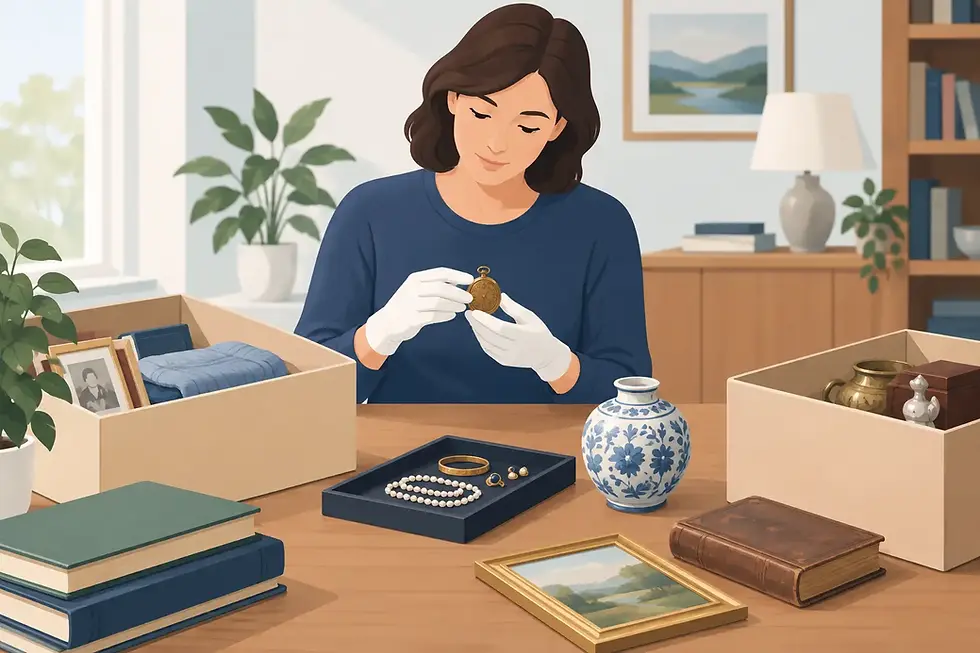
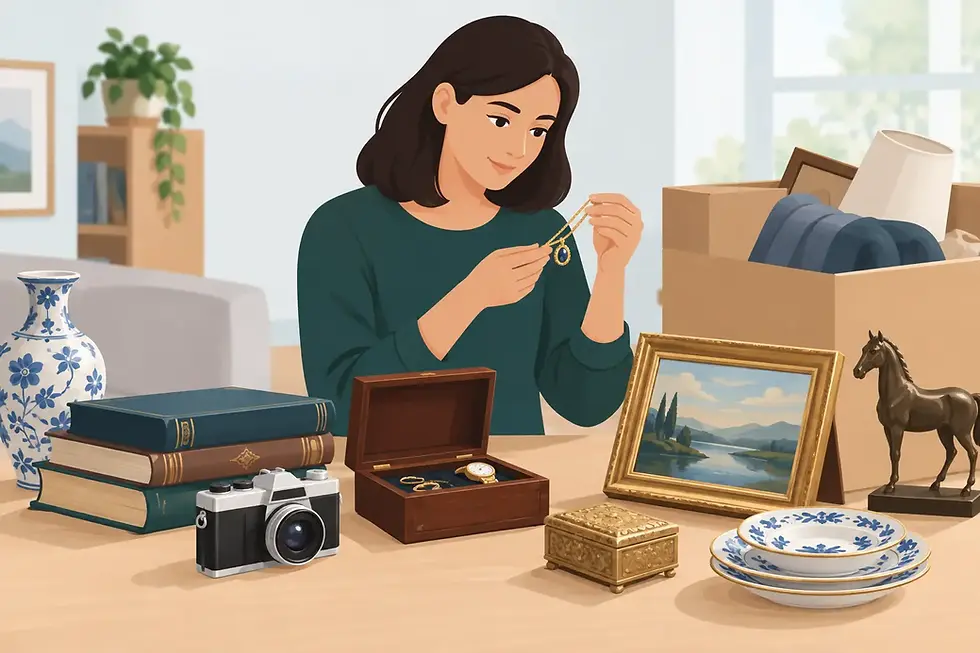
Inherited watches are often discovered alongside other valuables when a property is being cleared. It can be tempting to dispose of everything quickly, especially when there are practical deadlines. Taking a short pause to group watches, jewellery, silver and coins together can make the process more organised and reduce the chance of overlooking an item of value.
Keep items secure until they are assessed. Avoid leaving them in an empty property or placing them in general clearance bags. If you are acting as an executor, retain notes about where significant items were found and keep any related documents together. These small steps make the sale more transparent for the family and easier to document.
A watch does not have to become another difficult task on a long estate list. With careful handling, a clear explanation of value and no pressure to proceed, you can decide whether selling it is the right next step - and use the proceeds in a way that feels appropriate to its story.

Comments