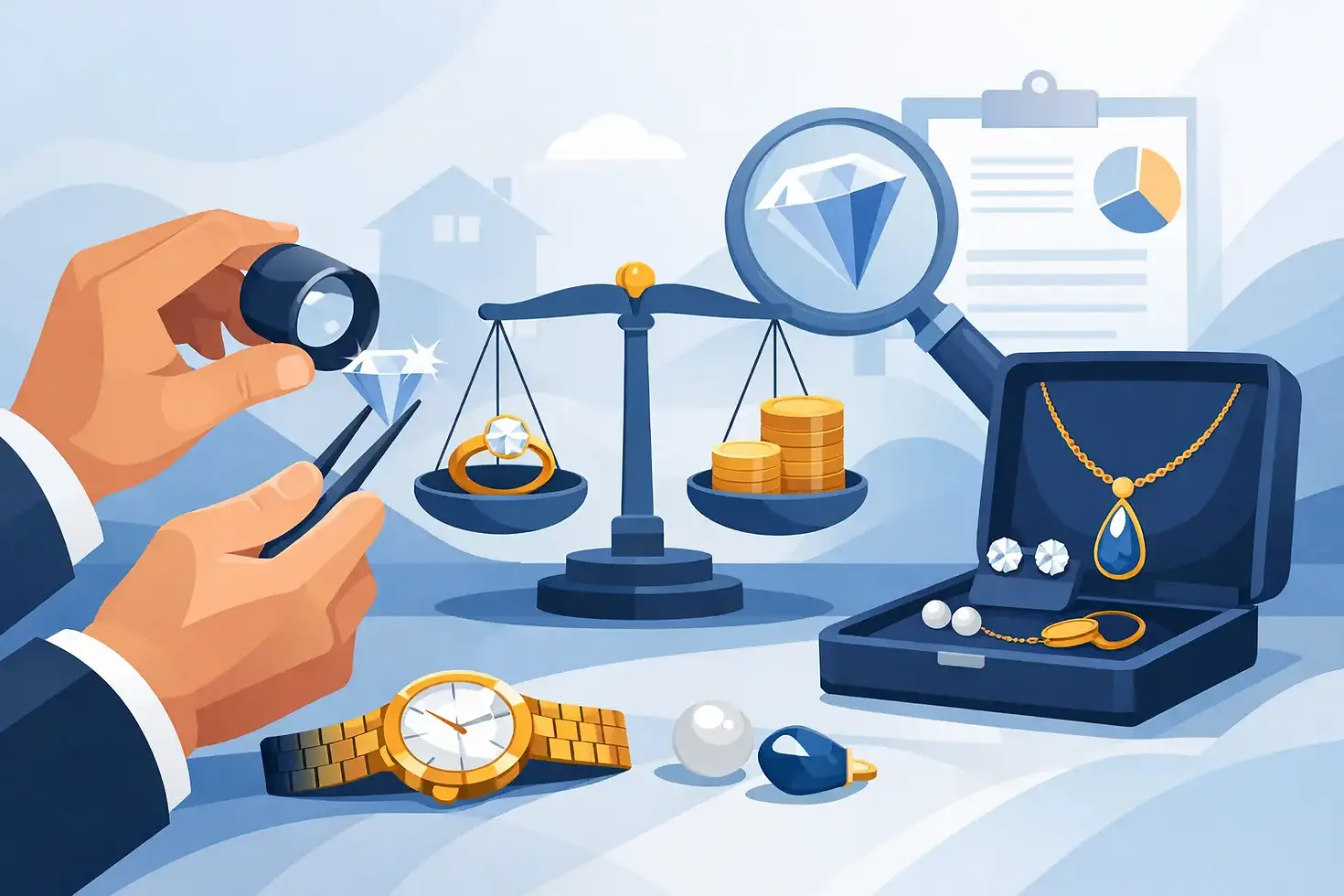
When Expert Jewellery Valuations Matter Most

A ring left in a drawer after a bereavement, a tangle of broken chains, or a watch no longer worn can raise a simple but significant question: what is it actually worth? Expert jewellery valuations give you a clear starting point, particularly when you would rather not carry valuable items around town or make a decision before you understand what you own.
For many people, the value is not only financial. Jewellery may have belonged to a parent, marked a marriage or been found while sorting a family home. A careful assessment should recognise that. It should give you plain-language information, handle each item properly and leave the decision to sell entirely with you.
What an expert valuation should tell you
A professional assessment is more than weighing gold on a set of scales. It begins with identifying what an item is made from and whether it carries marks that indicate its metal purity, maker or origin. Gold, silver and platinum are assessed differently, and a hallmark can be useful evidence, although its absence does not automatically mean an item has no value.
The specialist will also consider the item as a whole. A heavy 18ct gold bracelet has an underlying metal value linked to its weight and the current gold price. Yet an antique bracelet, signed piece or well-made period design may be worth more than its scrap value. The same principle applies to rings with diamonds or coloured stones, luxury watches, silverware, coins and other collectable pieces.
A clear valuation conversation should explain which part of the price comes from precious metal, which comes from gemstones or craftsmanship, and whether resale demand affects the offer. You should never be expected to accept a figure you do not understand.
A selling valuation is not an insurance valuation
This distinction prevents a great deal of disappointment. An insurance valuation estimates the replacement cost of buying a comparable item from a retailer. It can include retail margins, VAT, sourcing costs and the expense of replacing the piece at a later date. It is usually much higher than the amount a buyer can pay for an unwanted item.
A valuation for sale reflects what the item can realistically achieve in the current precious-metal, second-hand jewellery or specialist resale market. Neither figure is inherently wrong: they answer different questions. If you are considering selling, ask for a market-based purchase offer and for an explanation of how it has been reached.
When expert jewellery valuations are especially useful
There is no need to know the difference between carats, hallmarks and stone grades before arranging an assessment. In fact, valuations are often most useful when the owner has incomplete information. Old boxes, inherited jewellery and mixed lots commonly contain items of very different value.
An appointment can be particularly helpful when you are clearing a property, dealing with an estate, moving home or reducing possessions. It also makes sense for broken jewellery. A snapped chain, single earring or damaged ring may no longer be wearable, but its precious-metal content can still be valuable. Do not assume that tarnished silver, mismatched pieces or jewellery without its original box is worthless.
Equally, do not assume every old-looking item is rare or every gemstone is highly valuable. Condition, provenance, quality and buyer demand all matter. A reliable specialist will be candid about that rather than creating unrealistic expectations.
How jewellery is assessed in practice
At a private appointment, items should be inspected one at a time and with care. The process may involve checking hallmarks with magnification, testing metal where appropriate, weighing items accurately and examining stones for their setting, size, condition and apparent quality. For watches, the brand, model, movement, condition, papers and original box can influence resale value. For antique or designer jewellery, signatures, dates, style and craftsmanship can be just as relevant as the metal weight.
Current market prices matter because gold, silver and platinum prices move. An offer made several months ago may no longer reflect the market today. Diamonds and luxury watches behave differently: their value depends less on a daily metal rate and more on the specific item, its condition and current demand.
That is why a quick online calculator can be useful only as a rough indication for straightforward gold. It cannot reliably identify whether an apparently ordinary brooch is a collectable piece, whether stones should be valued separately, or whether a watch has a stronger resale market than expected.
Why a private home appointment can make the process easier
Taking valuables to several shops can feel inconvenient and, for some owners, uncomfortable. A home or office appointment allows you to see the inspection in person, keep your belongings within your control and ask questions without being rushed by a busy counter.
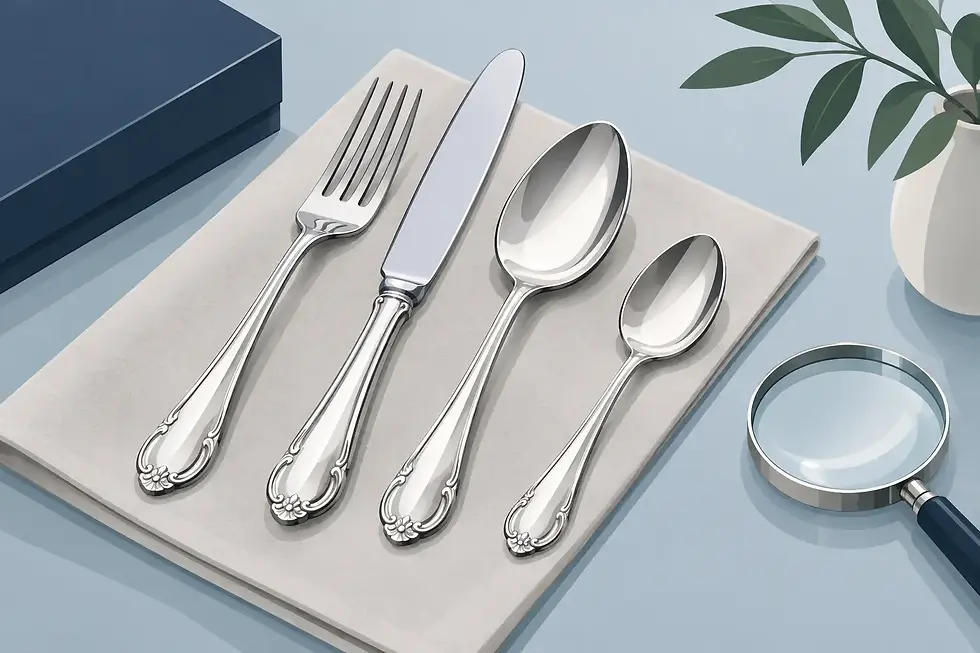
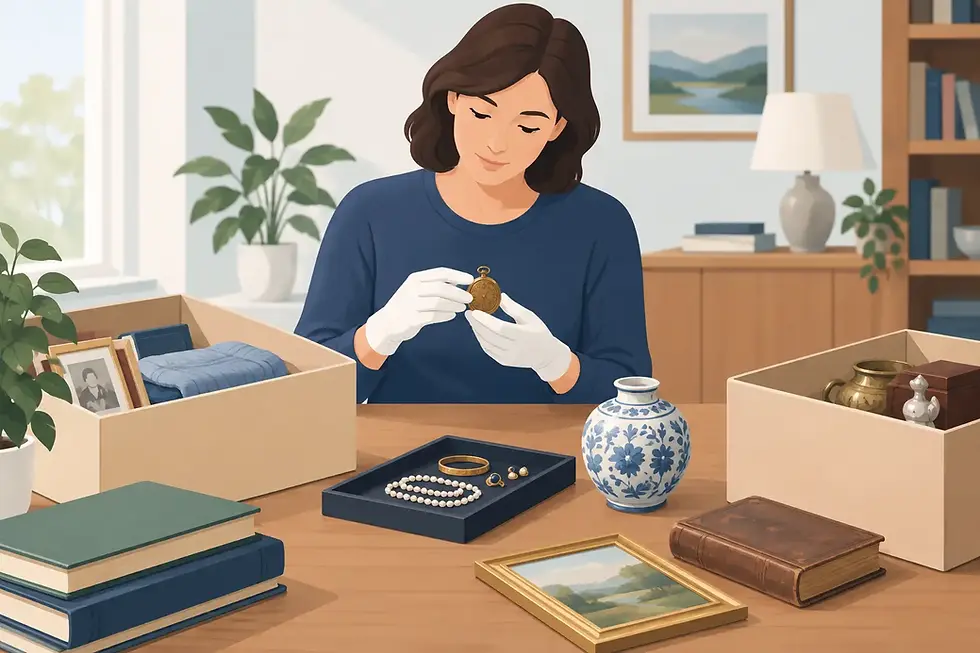
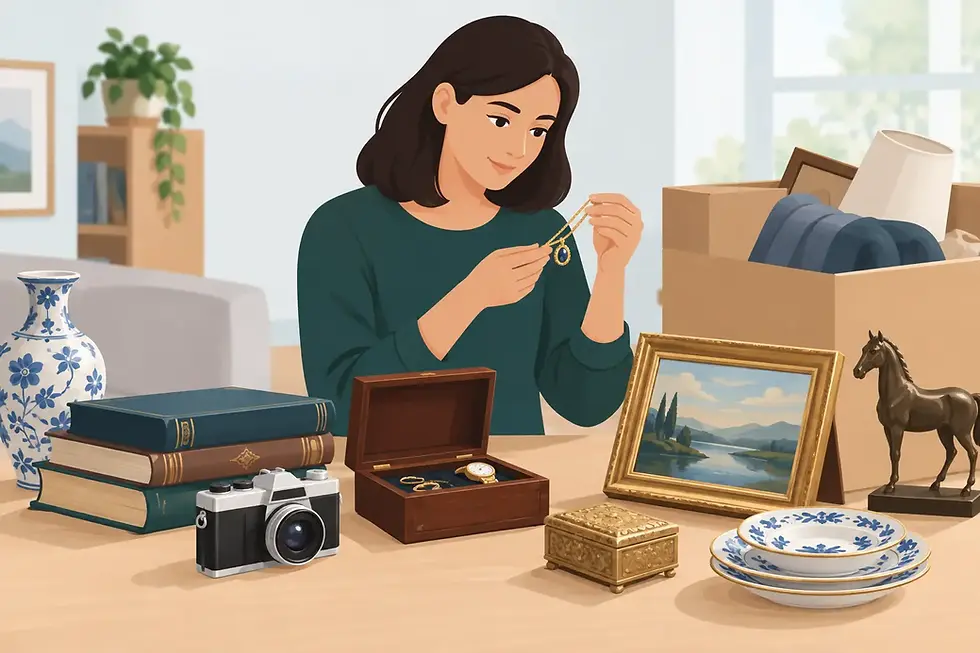
It is also practical for larger collections. Families sorting an estate may have jewellery alongside silverware, coins, watches and small antiques. Looking at everything together can help distinguish pieces that are suited to precious-metal buying from those that may need specialist consideration for their age, maker or collectable appeal.
Privacy matters too. There is no need to post valuables away or carry them across London or beyond. You can take your time, involve a family member if you wish and retain any item that you are not ready to part with. A no-pressure valuation is valuable precisely because it gives you room to decide.
Questions worth asking before you sell
A trustworthy buyer should welcome sensible questions. Ask whether the offer is based on the current metal price, the item’s resale potential, or both. Ask how the purity and weight were determined, and whether diamonds, coloured stones or branded elements have been considered separately.
It is also reasonable to ask what documentation you will receive. A written invoice or receipt creates a useful record of the transaction, especially when items form part of an estate or several family members are involved. Confirm the payment method and timing before agreeing to a sale. Secure bank transfer is often preferred for higher-value purchases, while applicable cash payments should be explained clearly and handled within legal limits.
Be cautious of promises that sound too simple, such as a fixed price per gram without any inspection of the item. Weight and purity are fundamental for gold, but they are not the whole story. Conversely, a buyer should not use vague language to avoid explaining a price. Fairness depends on both knowledge and transparency.
Preparing jewellery for an assessment
You do not need to polish, repair or alter items beforehand. In some cases, unnecessary cleaning can damage delicate finishes, enamel or antique patina. Place loose jewellery in separate small bags or boxes if that helps you keep track of it, but do not worry if it is tangled or mixed together. Sorting is part of the service.
If you have certificates, receipts, original presentation boxes, watch papers or previous valuation documents, keep them nearby. They can assist identification and may support the value of particular pieces. Their absence should not stop you arranging an appointment, however. Many inherited items come with no paperwork at all.
Before the visit, make a simple note of anything you know about an item: who owned it, where it was bought, whether it has been altered, or whether a stone has been replaced. This background can be useful, especially for older or unusual jewellery, but it is never a substitute for proper inspection.
Making a decision in your own time
The purpose of an assessment is clarity, not pressure. You may decide to sell broken gold that has been unused for years while keeping a modest ring because of the person it reminds you of. You may accept an offer for straightforward pieces but seek a second opinion on a signed watch or unusual antique jewel. That is a sensible approach, not a problem.
At We Pay Best, private valuations are designed to make that choice feel straightforward: careful inspection, a market-based explanation and secure, documented payment if you choose to proceed. Your items remain yours until you are comfortable with the decision.
If a drawer, jewellery box or family property has been waiting to be sorted, begin with a calm assessment rather than a guess. Knowing what you have gives you the freedom to sell, keep or pass it on with confidence.
Comments