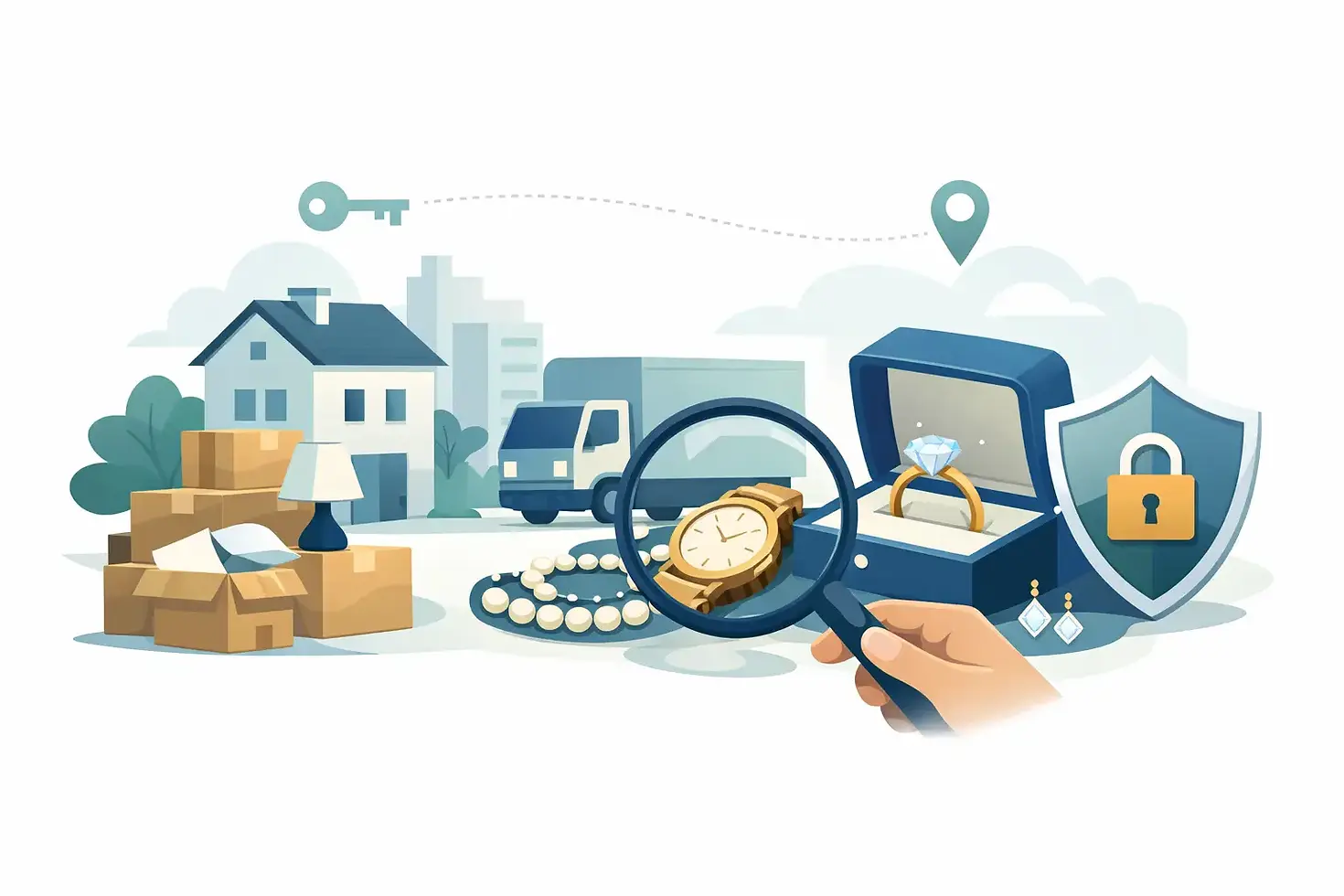
Jewellery Valuation When Moving House Safely

A move has a way of bringing forgotten things to the surface: a watch in a bedside drawer, a box of gold chains in the loft, a ring inherited years ago but never worn. A jewellery valuation when moving house gives you the chance to understand what those items are worth before they are packed, misplaced or moved without suitable protection.
For some people, the priority is insurance. For others, it is deciding whether unwanted jewellery should travel to the next property at all. Either way, a calm, professional assessment can replace guesswork with clear information - in your own home, at a time when you are already managing enough.
Why value jewellery before packing
Jewellery is small, portable and easy to overlook. It is also one of the most common categories of belongings to go missing or become muddled during a move. A valuation creates a useful record of what you own, including descriptions, weights, hallmarks, gemstones and any distinguishing features. Photographs taken before the move can add another layer of reassurance.
It also helps you make better decisions about cover. Standard home insurance policies can have single-item limits and conditions for valuables in transit. If you own a diamond ring, luxury watch, antique brooch or substantial gold jewellery, check what your insurer requires. They may ask for a recent written valuation, particularly for higher-value pieces. Do not assume an old receipt tells the whole story: precious-metal prices, gemstone demand and the resale market can change considerably over time.
There is a practical benefit too. Moving is often the moment people decide they no longer want to keep broken chains, single earrings, unworn wedding bands or jewellery inherited from relatives. Knowing the likely value can make that decision feel less rushed and more informed.
Valuation, insurance and selling are not the same thing
The word ‘valuation’ can mean different things, and it is worth being clear about the purpose before an appointment.
An insurance replacement valuation estimates what it could cost to replace an item through a retailer. That figure may be higher than the amount a specialist buyer would offer, because it includes retail costs, margins and the expense of sourcing a comparable replacement. It is useful for arranging insurance, but it should not be treated as a cash offer.
A resale or purchase assessment considers what a buyer can pay for the item in the current market. For gold, silver and platinum, this usually starts with purity, weight and the live precious-metal price. For diamonds, signed jewellery, antique pieces and luxury watches, condition, maker, age, provenance, demand and completeness can all matter. Original boxes, certificates, receipts and service papers may add confidence or value, but their absence does not automatically make an item unsuitable for assessment.
There are occasions when a formal probate valuation is needed, particularly when handling an estate. That is a separate service from a straightforward offer to buy. If you are not sure which type you need, say so at the outset. A reputable specialist should explain the difference in plain language rather than allowing you to rely on the wrong figure.
Jewellery valuation when moving house: a sensible order of events
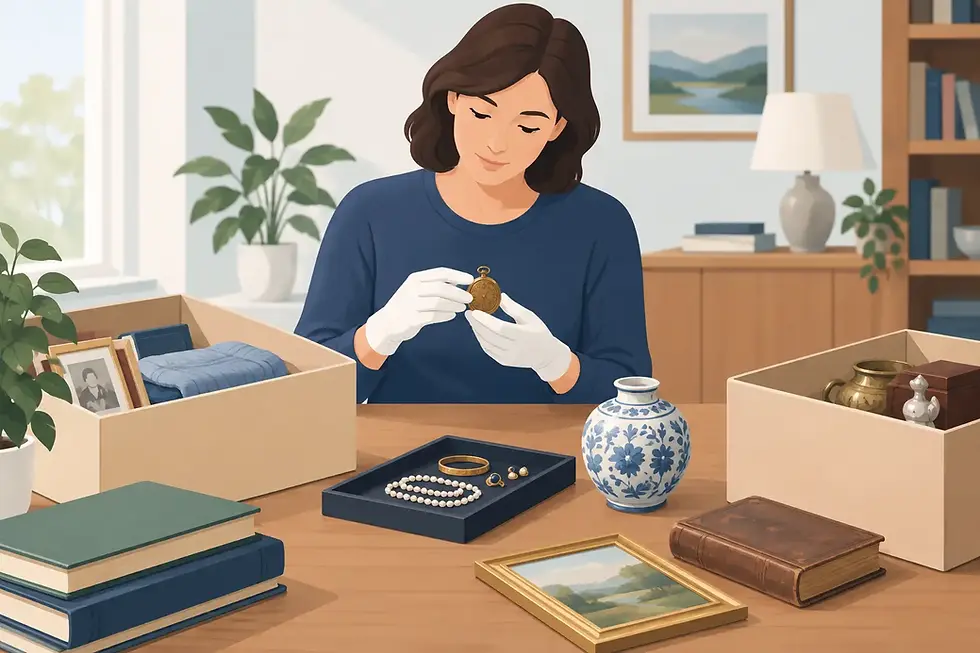
The best time to assess valuables is before the removal company arrives, not while boxes are being carried through the hall. Set aside an hour when the property is reasonably calm and gather jewellery from drawers, bedside tables, safes, handbags and storage boxes. It is surprising how often one small collection becomes several once a careful search begins.
Keep items together as you find them, but do not spend hours trying to untangle chains or clean old jewellery. Aggressive polishing can damage finishes, loosen stones or remove the desirable patina from antique pieces. A specialist can inspect jewellery in the condition it is in.
If you have paperwork, place it alongside the relevant item. This might include a diamond certificate, watch papers, purchase receipt, previous valuation, repair invoice or a note about family history. The information may help establish identity and provenance, but it is still the item itself that needs meticulous inspection.
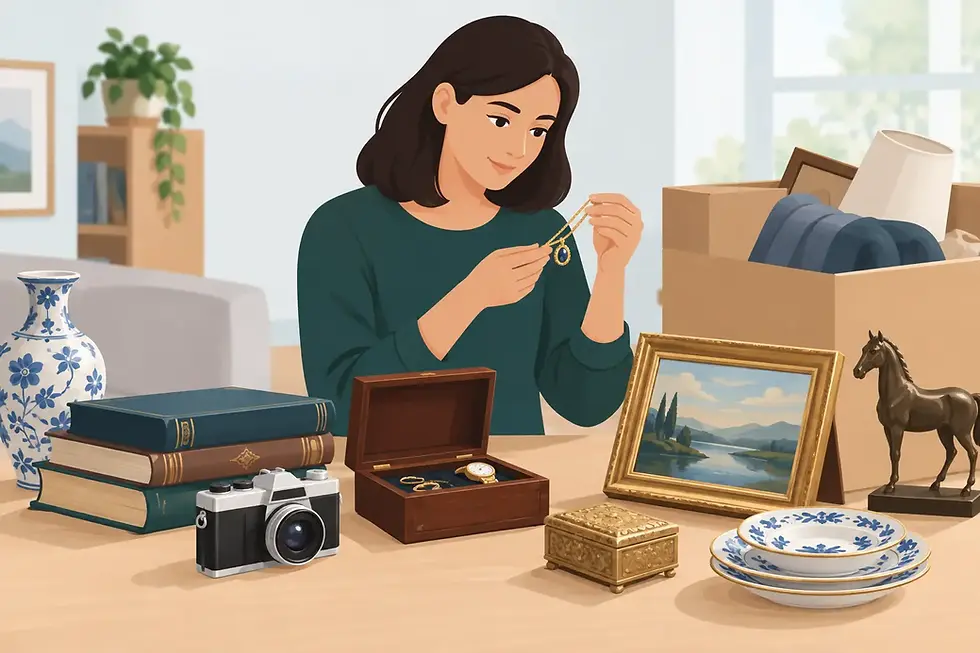
Once you understand what you have, divide it into three simple groups: pieces you are definitely keeping, pieces you may wish to sell, and items that need further thought. This prevents an emotional decision being made in the middle of a stressful move. There should be no pressure to sell simply because an item has been assessed.
What a careful in-home assessment should involve
Privacy matters when valuables are involved. Taking a bag of jewellery around town, leaving it in a car or posting it to an unknown address may not suit everyone, especially during a move. An appointment at home or at your office allows the assessment to happen where you feel comfortable and where your collection is already secure.
A professional buyer should handle each item carefully and explain what they are looking at. For precious metals, that may involve checking hallmarks, testing purity where appropriate and weighing the item accurately. For diamonds and gemstones, the assessment may consider size, cut, colour, clarity, condition and whether the stone is natural or laboratory-grown. Watches require their own expertise: brand, model, reference, condition, movement, service history and accompanying papers can all affect demand.
The most useful part of the process is the explanation. You should be able to ask why one gold ring has a higher offer than another, why an antique item is valued beyond its scrap-metal content, or why a damaged piece still retains worth. Current market prices move, so an offer should be connected to the market on the day rather than based on a vague promise.
If an item has sentimental significance, it is entirely reasonable to pause. A good assessment gives you information and options. It does not require you to part with a family heirloom before you are ready.
Deciding what should move with you
Keeping valuable jewellery is often the right choice, particularly where it is worn, loved or intended for another family member. If you are moving it yourself, carry it separately from removal boxes, keep it out of sight and avoid discussing its contents with contractors or casual visitors. Photograph the pieces and keep any valuation documents somewhere separate and secure.
For high-value collections, consider whether your insurer needs to be notified before moving day. Some policies provide cover only if the jewellery is personally carried, stored in a locked safe or transported under specified conditions. The detail matters, and it depends on the policy.
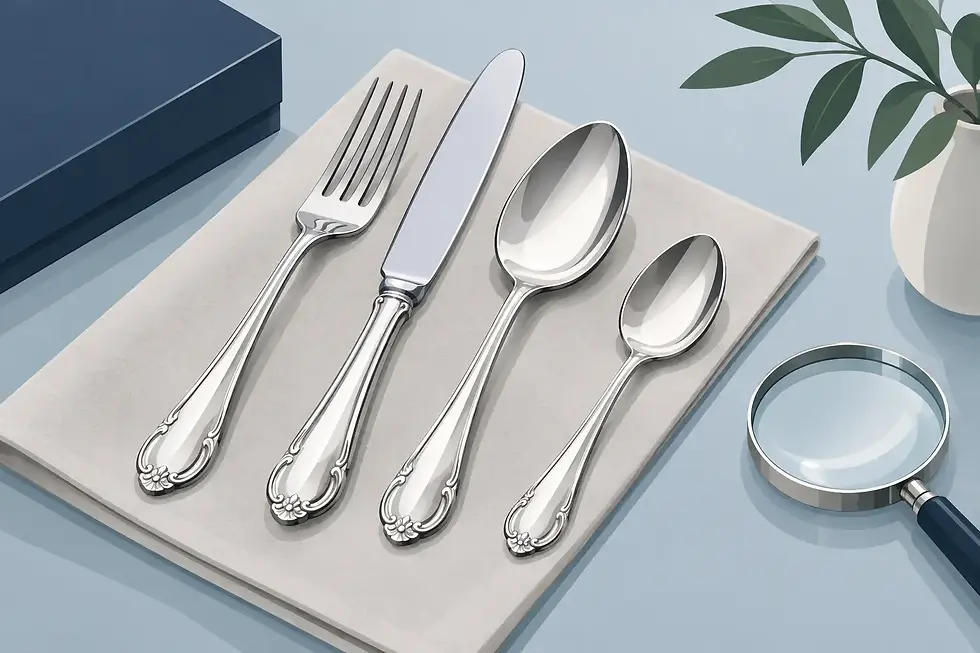
Selling can be a sensible alternative for items that have no practical or personal future in the new home. Broken gold, unworn jewellery, duplicate silverware and watches sitting unused in a drawer can release funds for removal costs, furnishing, renovation or simply a cleaner start. The decision should be yours, based on a clear offer and a full understanding of what is being bought.
Questions worth asking before you sell
Before accepting an offer, ask how the price has been calculated and whether it reflects the item’s metal content, gem value, brand or antique appeal. Ask whether the assessment is free and whether there is any obligation to proceed. You should also know exactly how and when payment will be made, and receive a written record of the transaction.
For a larger collection, it can help to ask whether every item will be considered individually. A Victorian brooch, a signed bracelet or a quality diamond ring should not automatically be treated in the same way as plain scrap gold. Equally, not every old-looking piece carries an antique premium. Honest advice includes being clear where value is primarily in the metal rather than overstating what the market will pay.
We Pay Best offers private, no-obligation home and office assessments, explaining each offer clearly before you decide. Eligible purchases are paid securely with documented records, so you are not left wondering what happened to items that may have been in your family for decades.
Give yourself time before the keys are handed over
The final days before completion can be hectic, which is precisely why jewellery should not be left to the final box. Arrange an assessment early enough to consider the outcome properly. You may decide to insure a ring, keep a watch, pass an heirloom to a relative or sell jewellery that no longer belongs in your life.
A move is not only about changing address. It is a natural moment to take stock of the valuables you own, protect the pieces that matter and make considered choices about the rest - safely, privately and in your own time.
Comments