
How to Sell Watches Privately With Confidence

A watch can sit unworn in a bedside drawer for years before anyone considers its value. Perhaps it was a retirement gift, part of an inheritance, or a purchase that no longer suits your life. If you are ready to sell watches, the priority is not simply finding a buyer. It is understanding what you own, how its value is assessed and how to make a decision without pressure.
For many people, the hardest part is handing over something personal to an unfamiliar business. A private, professional assessment at home or work can make the process calmer: you remain in control, ask questions in your own time and receive a clear explanation before deciding whether to sell.
When it makes sense to sell watches
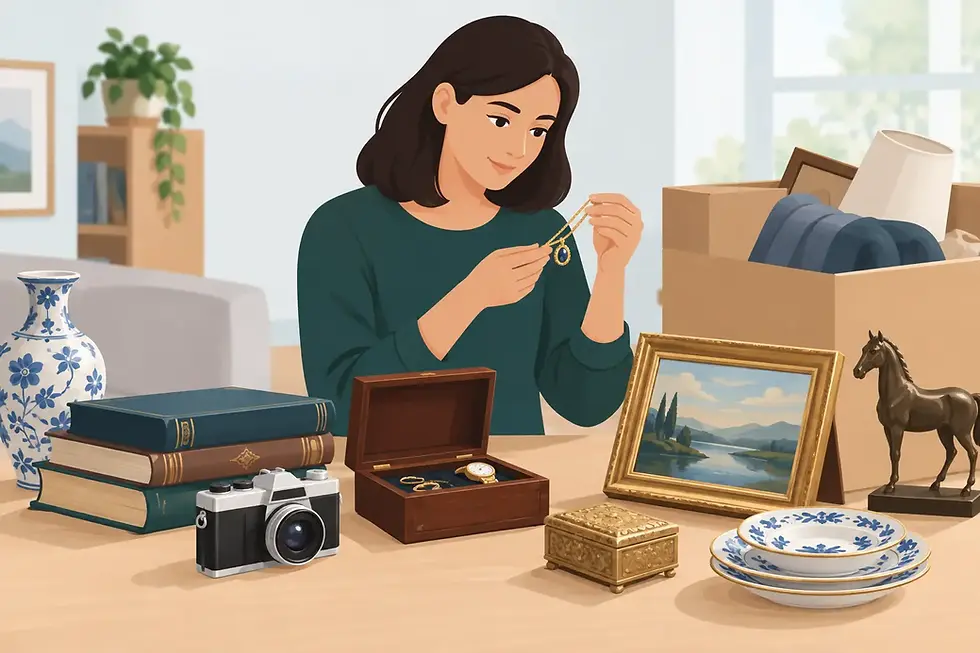
There is no single right reason to sell. Some owners are raising funds for a move, a family expense or a new purchase. Others are handling an estate and need a straightforward way to assess several valuables without carrying them around London. Sometimes the watch is simply no longer worn, and it makes more sense for its value to be put to use.
Luxury wristwatches can hold significant resale value, particularly when they are from sought-after makers, made from precious metals or retained with their original documentation. Yet an older watch does not have to be famous or fashionable to deserve a proper inspection. A gold dress watch, a vintage mechanical piece or a well-kept designer model may be worth more than its owner expects.
Equally, not every watch will command a collector premium. Condition, demand and authenticity matter. A fair assessment should distinguish between the value of the complete watch, its precious-metal content where relevant, and any value held in associated items such as its bracelet, box or papers.
What determines the value when you sell watches
A reliable valuation is based on more than the name on the dial. A specialist will inspect the watch closely and explain the elements that influence an offer in plain language.
The make, model and reference number are a starting point. Certain models have strong demand in the pre-owned market, while others may be less sought after despite coming from a respected brand. Rarity can help, but only where there is genuine buyer interest. A limited edition is not automatically more valuable, and a familiar model in excellent condition may be easier to sell than an unusual one with little market demand.
Condition is equally significant. Scratches, dents, moisture damage, stretched bracelets, replacement parts and non-functioning movements can affect value. That does not mean a damaged watch has no worth. It means the buyer must allow for servicing, restoration or replacement components. Watches with original dials, hands, bezels and bracelets can be particularly desirable, even if they show honest signs of age.
The movement also matters. A mechanical watch may need testing for timekeeping and functionality, while a quartz watch may need its battery and electronics checked. If a watch has stopped, do not assume it is worthless. It could need a simple service, but its condition should be assessed before any conclusions are drawn.
Original boxes, guarantee cards, service records, spare links and receipts can support a watch’s provenance and resale appeal. They are helpful, not always essential. Many inherited watches have lost their paperwork over time, and a professional buyer can still inspect the piece itself. For higher-value watches, clear ownership and authenticity checks are an essential part of a responsible transaction.
Finally, current market conditions influence the offer. Precious-metal prices can affect the value of gold or platinum watches, while collector demand can change from one period to the next. This is why an old valuation, an online asking price or a figure remembered from years ago may not reflect today’s market.
Prepare your watch without changing it
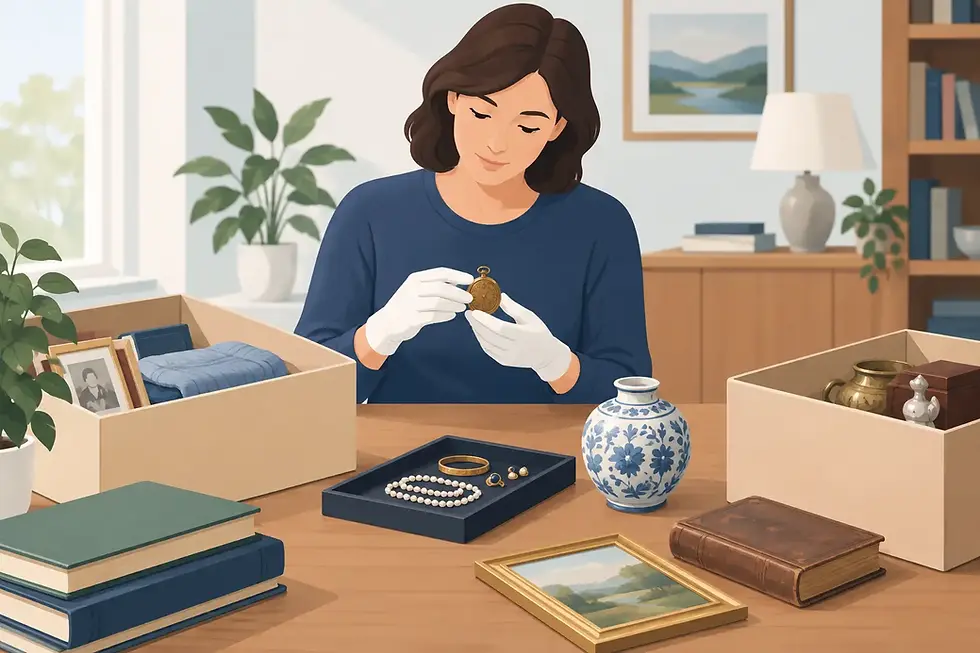
Before arranging an assessment, gather anything connected with the watch. Put its box, papers, spare links, receipts and service information together if you have them. If you are dealing with several items from a family home, keep each watch and its accessories in a separate pouch or envelope where possible. This avoids mix-ups and gives the valuer a clearer picture.
A gentle wipe with a soft, dry cloth is enough for most watches. Avoid aggressive polishing, household cleaning products or attempts to remove marks yourself. Over-polishing can soften the edges and original finish of a case or bracelet, which may reduce its appeal to collectors. Do not open the case back, replace parts or arrange an expensive service solely to sell unless you have first received professional advice. The cost may not be recovered in the final price.
If the watch has been stored away, make a note of anything you know about it: who owned it, when it was bought, whether it has been repaired and whether it still runs. Honest information is useful. It allows the assessment to be accurate and avoids awkward surprises later.
What happens at a private watch valuation
A home or office appointment should feel measured and discreet, not rushed. The valuer will examine the watch, identify the model and materials, check its condition and consider current resale demand. For a precious-metal case or bracelet, the metal may be tested carefully. For luxury watches, details such as serial numbers, movement, dial, clasp and bracelet construction may need closer inspection.
You should be told what is being examined and why. If the watch has a feature that supports its value, that should be explained. If a missing link, a replacement dial or a service requirement affects the offer, that should be clear too. Transparency is especially important with inherited belongings, where sentimental importance and financial value can be difficult to separate.
Once the assessment is complete, you receive an offer based on the relevant market at that time. There should be no obligation to accept it. You may wish to think about it, speak to family members or compare it with your own expectations. A professional buyer understands that a considered decision is often the right one.
At We Pay Best, assessments are carried out privately at your home or workplace, so there is no need to take valuable watches through busy streets or rely on a postal service. If you choose to sell, the transaction is documented and payment is arranged securely, with the method explained clearly before completion.
Be careful when comparing offers
It is sensible to compare options, but compare like with like. An online listing price is not the same as a confirmed purchase offer. It may include a retailer’s margin, remain unsold for months or assume the watch is in better condition than yours. Auction estimates can also differ from the amount a seller finally receives after fees, transport, insurance and delays.
Pawn shops, jewellers, online marketplaces and private buyers all serve different purposes. A marketplace may offer the prospect of a higher price, but it places the work of photography, listing, enquiries, negotiation and secure handover on you. It also brings risks when strangers know you own a valuable item. A quick-sale option may be convenient but can leave little room for a detailed explanation of value.
For many private sellers, particularly those clearing a property or selling an inherited watch, the better route is the one that combines a realistic market-based offer with privacy, convenience and clear records. The best choice depends on your watch, how quickly you need to sell and how much time you want to spend managing the process.
Questions worth asking before you agree
You do not need specialist knowledge to ask sensible questions. Ask how the price has been reached, whether the offer reflects the watch as a complete piece or primarily its metal content, and whether any repairs or missing accessories have affected the figure. Ask how payment will be made and what paperwork you will receive.
It is also reasonable to ask whether the buyer has inspected the watch thoroughly enough to make a firm offer. A vague estimate offered without close examination may change later. Clear answers protect both parties and help you decide with confidence.
If a watch carries family history, give yourself permission to pause. Take photographs, discuss it with relatives or keep one item as a personal reminder while selling others. Value is not always measured only in pounds, and a respectful buyer will never treat that as an inconvenience.
A watch that no longer has a place in your life can still have a useful future. Arrange a professional assessment, listen to the explanation, keep the paperwork and decide only when the offer feels right to you.
Comments