
How to Sell Rare Collectables Privately Safely

A boxed coin set found during a house clearance, a signed piece of sporting memorabilia in the loft, or an antique kept in a display cabinet can be far more than an interesting object. If you want to sell rare collectables privately, the challenge is not simply finding a buyer. It is understanding what you have, protecting it while it is assessed, and deciding whether an offer feels fair without being rushed.
For many people, these items arrive with a family property, an inheritance or years of accumulated possessions. You may not know whether an item is genuinely rare, whether it has collector interest, or whether its value lies partly in the precious metal it contains. A private, professional assessment gives you space to ask those questions in your own home and make a decision in your own time.
What makes a collectable valuable?
Rarity matters, but it is only one part of the picture. A collectable's value can depend on its condition, age, maker, material, provenance, completeness and current demand. Two apparently similar items can attract very different offers if one has original paperwork, an unaltered finish, a sought-after hallmark or a desirable production date.
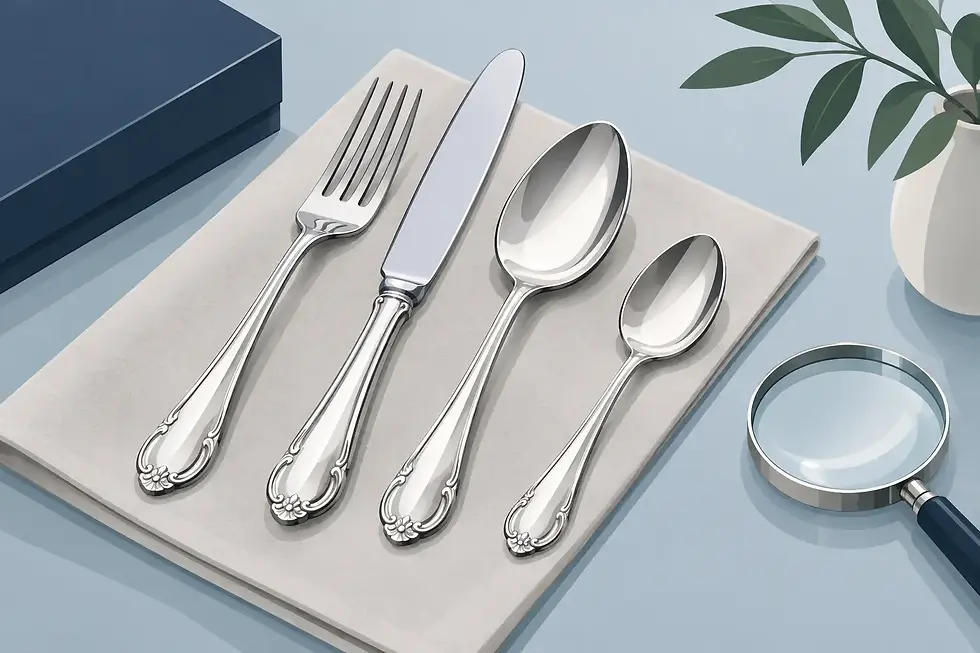
Coins are a useful example. Their value may be influenced by denomination, mint marks, year, precious-metal content, mintage numbers and condition. An old coin is not automatically valuable, just as a newer coin is not automatically ordinary. The same principle applies to antique silverware, jewellery, watches, medals, decorative objects and specialist memorabilia.
Market demand also changes. Gold, silver and platinum prices move daily, while collector interest in particular makers, eras or editions can rise and fall. A fair private offer should reflect the relevant market at the time of the valuation, rather than rely on a vague estimate or a price seen online months earlier.
Before you sell rare collectables privately
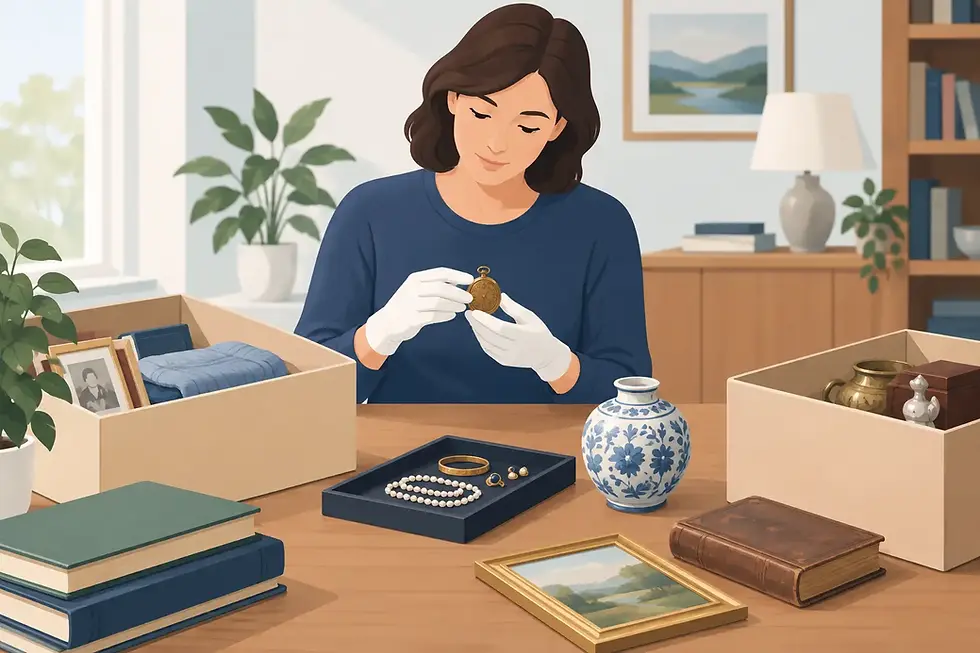
The most useful preparation is simple: keep the item safe and avoid trying to improve it yourself. Polishing old silver, cleaning coins with abrasive products, replacing watch parts or removing labels from an antique can reduce collector value. Natural age and original condition are often part of what makes an item desirable.
Gather anything that belongs with the item, including boxes, certificates, receipts, service papers, photographs, letters or previous valuations. These may help establish authenticity, history or completeness. They do not guarantee a higher value, but they can make a meaningful difference for certain collectables.
It is also sensible to make a basic record before an appointment. Take clear photographs, note any hallmarks, serial numbers or inscriptions, and write down what you know about where the item came from. If it was inherited, do not worry if the history is incomplete. A specialist can inspect the object itself and explain what can be identified with confidence.
Be cautious about social media selling or informal collection arrangements. Advertising valuable items publicly can invite unwanted attention, and meeting an unknown buyer with high-value property carries an obvious security risk. Posting valuables to an online buyer may be convenient on paper, but it can leave you concerned about insurance, handling and how the final offer will be reached.
Why a private valuation can be the calmer option
Selling through an auction can suit exceptional, highly specialised pieces with strong documented provenance, particularly where several dedicated collectors may compete. However, auctions involve timescales, commission structures and uncertainty over the final hammer price. A dealer or shop may offer speed, but the experience can feel impersonal and may require you to transport valuables yourself.
A private valuation appointment is designed for a different situation: you want expert eyes on a range of items, a clear explanation and the option to sell without the inconvenience of travelling around London or carrying valuables through a high street. This can be especially helpful during probate, a move, a downsizing project or a family house clearance, when there is already plenty to organise.
At We Pay Best, assessments can take place at your home or office, discreetly and by appointment. There is no need to pack a collection into a bag and hope it is safe on the journey. Each item can be examined carefully where you are comfortable, with time to discuss the result in plain language.
What should happen during an appraisal?
A proper assessment is more than a quick glance. The buyer should inspect condition, construction, identifying marks and materials, as well as considering resale demand. For precious-metal objects, this may involve checking hallmarks, weighing the item and assessing purity. For luxury watches, jewellery or collectables, maker, model, originality and accompanying documentation may all be relevant.
You should be told why an item has value. Sometimes this is because it is a desirable collectable. Sometimes an object has modest collector appeal but meaningful value because of its gold, silver or platinum content. In other cases, a piece may be attractive and old but not currently in demand. Clear explanations matter because they allow you to distinguish between sentimental value, retail replacement value and the amount a specialist buyer can realistically offer.
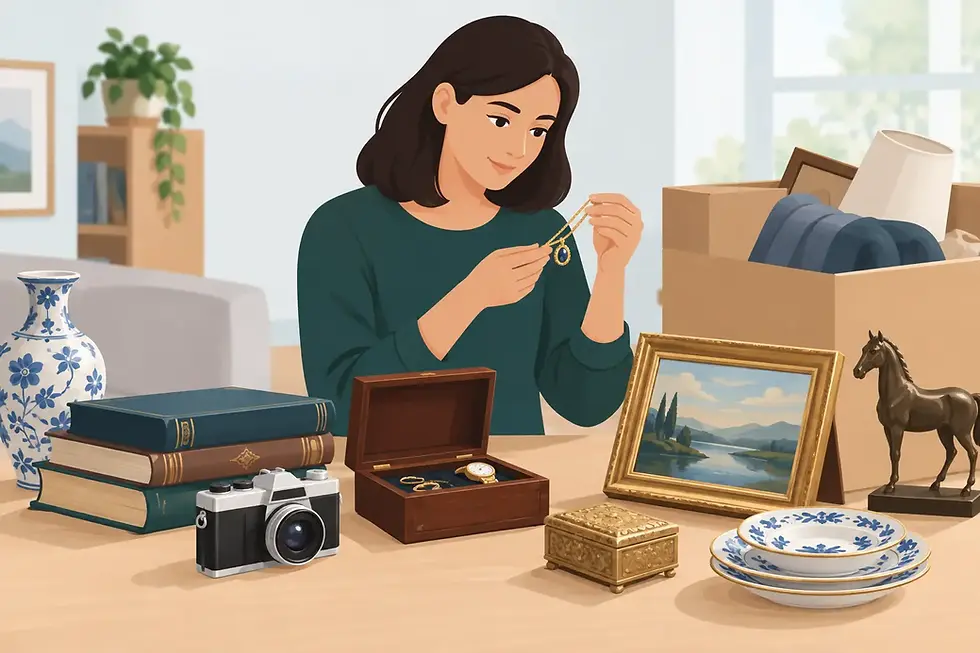
If you have several items, ask for them to be considered individually where appropriate. A mixed jewellery box, for example, may contain costume pieces, gold items, gemstones, branded jewellery and broken chains. Treating it as one indistinct lot can obscure the value within it. Equally, an honest buyer will explain when items are better assessed as a group or when an individual piece is unlikely to add significant value.
Questions worth asking before you agree to sell
You do not need specialist knowledge to have a good private selling experience. You simply need a buyer willing to answer straightforward questions. Ask how the price has been calculated, whether current precious-metal prices have been considered, and which details of the item affected the offer.
Ask whether the offer is for the item as a collectable, for its materials, or for both. If an offer feels unclear, request an explanation before deciding. A respectful buyer will not make you feel embarrassed for asking, particularly when you are dealing with inherited belongings or items you have owned for decades.
It is also reasonable to ask about payment and paperwork. Know whether payment will be made by cash or bank transfer, when it will arrive, and what record you will receive. For a valuable transaction, a written invoice or receipt is part of a sensible, secure process. It confirms what has been purchased and gives you a clear record for your files.
Finally, give yourself permission to pause. A no-pressure valuation means precisely that: an offer is information, not an obligation. If you need to speak with family members, compare options or simply think overnight, that is your choice.
Protecting yourself and your belongings
Private selling should feel controlled from the first conversation to payment. Arrange an appointment with an established buyer, confirm who will attend and keep the assessment in a setting where you feel at ease. If family members are jointly responsible for an estate, consider having them present or available by phone so that everyone understands the process.
Do not rely solely on an old insurance valuation or a retail price tag. Insurance valuations are usually based on replacement cost, which is often much higher than a resale or purchase value. Online asking prices can be equally misleading, as an unsold listing is not evidence of what a buyer will actually pay.
A realistic offer may not always be the highest number you see advertised online, but it should be explained, connected to the current market and free from hidden deductions. Convenience and discretion have value too, particularly when they remove the need to post valuables, negotiate with strangers or wait months for an auction result.
When it may be worth getting a second opinion
For an especially unusual object, a collection with extensive provenance, or an item you believe may be museum-quality, a second specialist opinion can be sensible. This is not a sign of distrust. It is simply good care when the potential value or historical importance is significant.
For more common inherited items, mixed lots, precious-metal pieces and unwanted collectables, one clear professional assessment may give you everything you need. The right route depends on the item, your timescale and whether your priority is achieving a specific collector market or arranging a straightforward sale with secure payment.
The best next step is often the simplest one: place the items somewhere safe, keep any accompanying paperwork together, and arrange a private assessment when you are ready. A calm conversation and a clear valuation can turn an uncertain find into an informed decision.
Comments