
How to Sell Silverware for a Fair Market Price

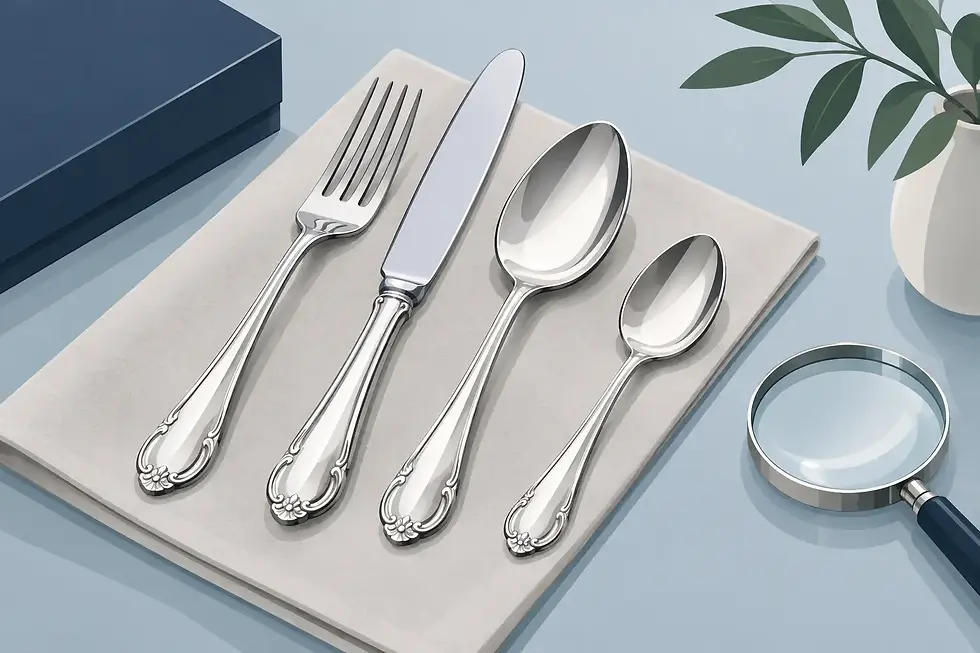
A cutlery drawer can hold far more than old teaspoons. A boxed canteen inherited from a relative, a tarnished tea service from a house clearance or a handful of mismatched forks may have real value - but only if you know what you have. Knowing how to sell silverware starts with a careful distinction between solid silver, silver plate and pieces valued for their maker, age or design.
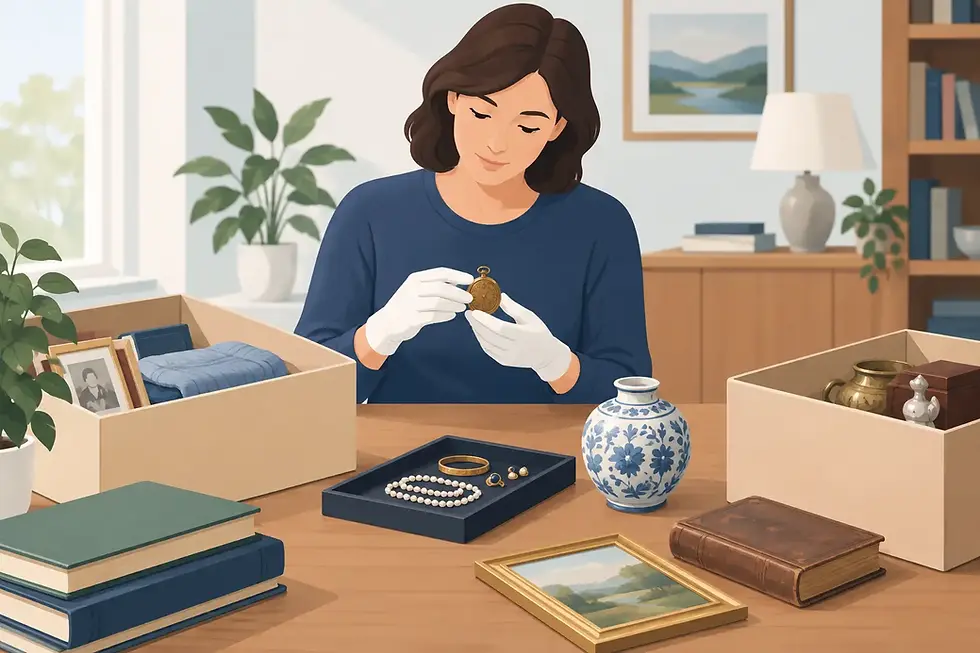
For many people, selling is not simply about clearing space. It may be part of settling an estate, preparing to move home or making a considered decision about items that are no longer used. A professional valuation should give you clear information and time to decide, without pressure.
How to sell silverware: begin with what you own
Before arranging a valuation, gather the silverware together and look for hallmarks. On British silver, these small stamps are often found on the back of a spoon or fork handle, underneath a teapot or along the edge of a tray. They can indicate the metal standard, assay office, maker and sometimes the year the piece was made.
Sterling silver is commonly marked 925, meaning it contains 92.5 per cent silver. British hallmarked silver may instead carry traditional marks such as the lion passant. Other standards exist, particularly on continental or imported items, so an unfamiliar mark does not automatically mean an item has no value.
Silver-plated cutlery and tableware are different. They have a thin layer of silver over a base metal, often nickel or brass. Marks such as EPNS, A1 or silver plate usually indicate plating rather than solid silver. Plated pieces can still be attractive, useful or collectible, especially when they are antique, from a respected maker or part of a complete set, but their value is not normally based on the weight of silver alone.
Do not worry if marks are worn, missing or difficult to read. Older pieces may have faint stamps, and some valuable objects need specialist inspection to identify properly. Put aside boxes, certificates, purchase receipts and any notes about family history. They are not essential, but they may help establish provenance or identify a maker.
Understand what gives silverware its value
The price offered for silverware depends on more than whether it looks polished. For straightforward solid-silver items, the main factors are purity, weight and the current silver market price. A buyer will weigh the metal and establish the fineness before calculating a market-based offer.
However, not every item should be treated as scrap silver. A well-made Georgian serving spoon, an Arts and Crafts bowl, a sought-after maker's canteen or an unusual antique tea set can be worth more as an individual object. Pattern, rarity, condition, craftsmanship and demand all matter. Complete sets are often more appealing than loose pieces, but a single exceptional item may still command attention.
Knives deserve particular care. Traditional silver-handled knives often have stainless or steel blades and a weighted or filled handle, rather than being solid silver throughout. Their hallmarks can be genuine, yet the silver content is limited. This does not make them worthless, but it changes how they are assessed.
Monograms, engravings and minor dents can affect resale interest, although they do not necessarily reduce a piece to scrap. Conversely, aggressive polishing can soften fine detail and remove desirable patina from antique silver. A gentle clean with a soft cloth is reasonable if you wish to present an item neatly. Avoid harsh abrasives, chemical dips and attempts to remove engraving before it has been inspected.
Prepare silverware without putting it at risk
There is no need to sort, polish and research every spoon before a valuation. In fact, keeping sets together and leaving items in their original cases can be more helpful. A canteen that appears ordinary at first glance may contain a recognised pattern or maker's mark.
If you have mixed household silver, place it in a tray, box or separate bag from costume jewellery and other metals. Take photographs for your own records before anyone visits, particularly when dealing with the contents of a family home. This simple step can provide reassurance and help relatives keep track of what is being considered for sale.
It is sensible to remove food residue and dust, but avoid using a dishwasher. The heat and detergents can damage handles, loosen joins and dull finishes. Do not test silver by bending it, scratching it or using home acid kits. These methods can cause unnecessary damage and rarely tell the full story.
Choose a buyer, not just the highest-sounding promise
A fair sale depends on the quality of the assessment as much as the final figure. Be cautious of blanket claims that every item is worth a fortune, or offers made before the buyer has checked hallmarks, weight and condition. Equally, a vague price with no explanation leaves you unable to make an informed choice.
A reputable specialist should inspect your silverware meticulously, explain whether it is solid silver or plated, and make clear whether the offer reflects metal value, antique value or both. You should be able to ask questions in plain language. If an item has a sentimental connection, it is reasonable to take time before accepting an offer.
Convenience and security matter too. Carrying valuable tableware around London or posting it to an unknown address can feel uncomfortable, especially during an estate clearance. A private appointment at your home or office allows the assessment to take place where you are most comfortable, with your items in view throughout.
We Pay Best provides free, no-obligation in-home assessments, so you can understand what your silverware may be worth without committing to sell. The process is designed to be discreet and straightforward, whether you have one inherited tray or a full dining-room collection.
What should happen at a professional valuation
A proper valuation is usually methodical rather than rushed. The specialist will examine hallmarks and construction, separate solid silver from plated or weighted items, and weigh eligible pieces. Where a maker, date, pattern or antique quality may add value, this should be considered rather than overlooked.
You should receive a clear explanation of the offer. Current precious-metal prices move, so a quote is generally tied to the market at the time of assessment. For items with collector interest, the resale market may have greater influence than the silver content. These are different routes to value, and an experienced buyer will tell you which applies.
If you decide to sell, ask for written documentation showing the items purchased and the agreed amount. Payment should be secure and clearly recorded, whether paid in cash within the applicable limits or by bank transfer. Keep the invoice with your household or estate paperwork.
Most importantly, retain control of the decision. A valuation is information, not an obligation. You may wish to speak with family members, compare the offer against your expectations or keep selected pieces while selling others. A professional buyer should respect that choice.
Common mistakes when selling inherited silver
The most costly mistake is assuming that everything tarnished is solid silver, or that everything plated has no value. Both assumptions can lead to poor decisions. Another is selling a complete service piece by piece without first checking whether the set has added value as a whole.
It is also easy to focus on a famous hallmark while overlooking condition. Repairs, split handles, missing pieces and badly worn plating may affect what a buyer can offer. Honest disclosure is always best, but you do not need expert knowledge before requesting an appraisal - that is what the inspection is for.
Avoid feeling rushed by a house move, probate timetable or a crowded cupboard. Even when practical decisions need to be made quickly, a calm assessment and a documented offer can make the process feel far more manageable.
A silverware valuation can turn an overlooked collection into useful funds, but it can also clarify which pieces are worth keeping. Set the items aside, arrange an assessment in your own time and let a clear explanation guide the next decision.
Comments